A diary of
past works
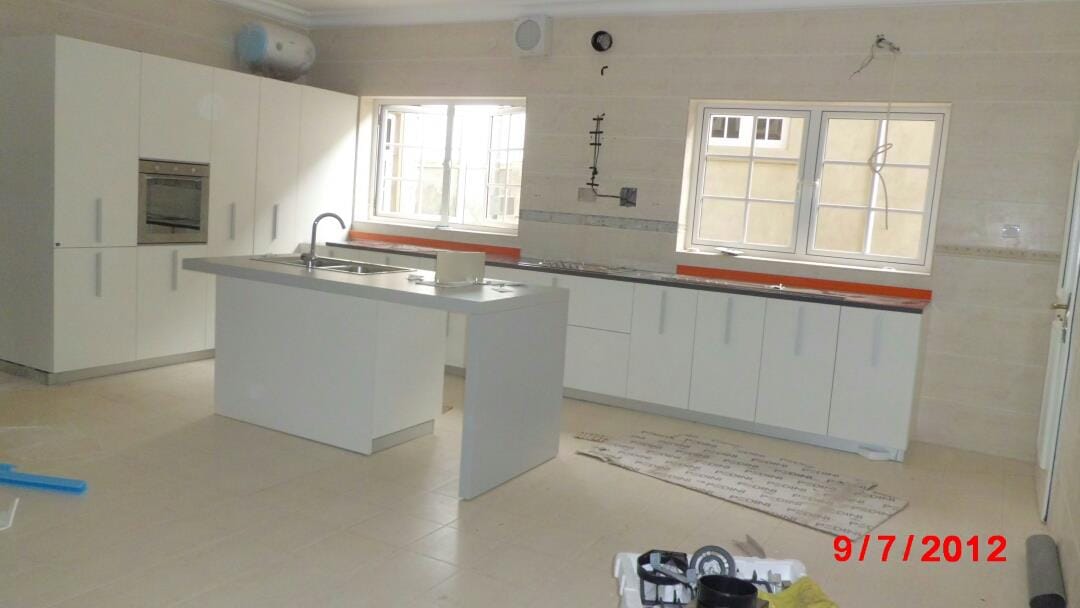
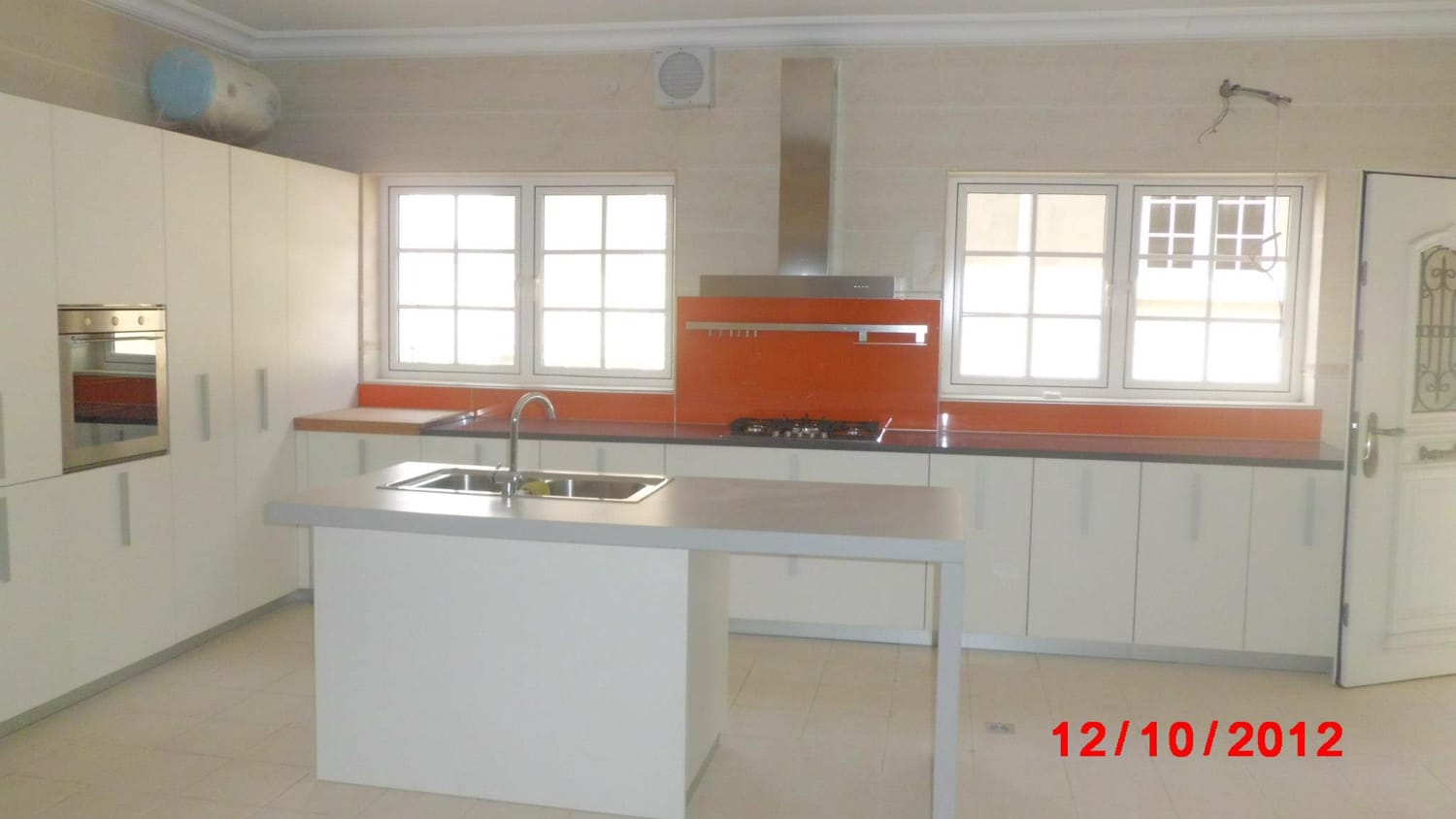
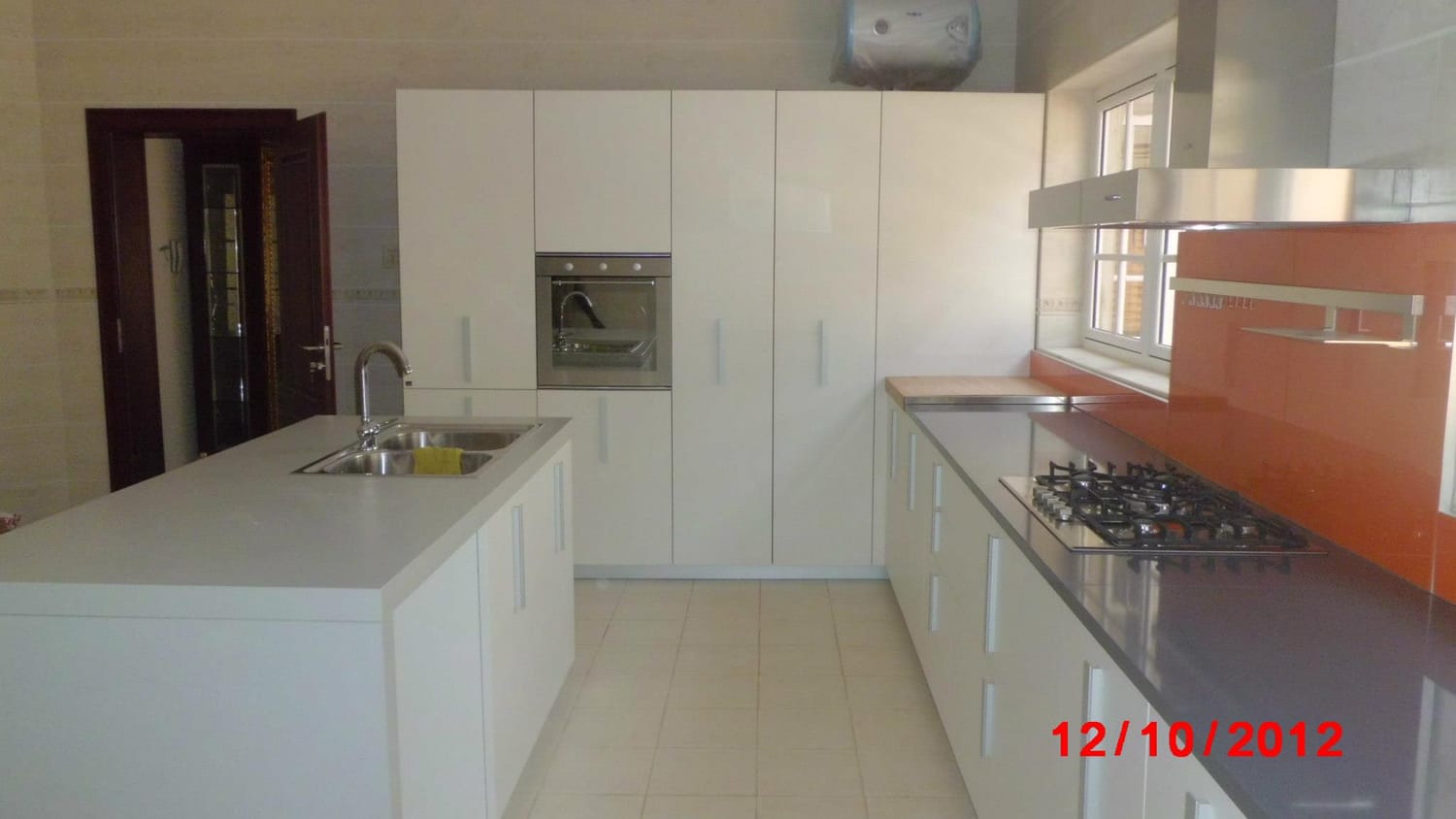
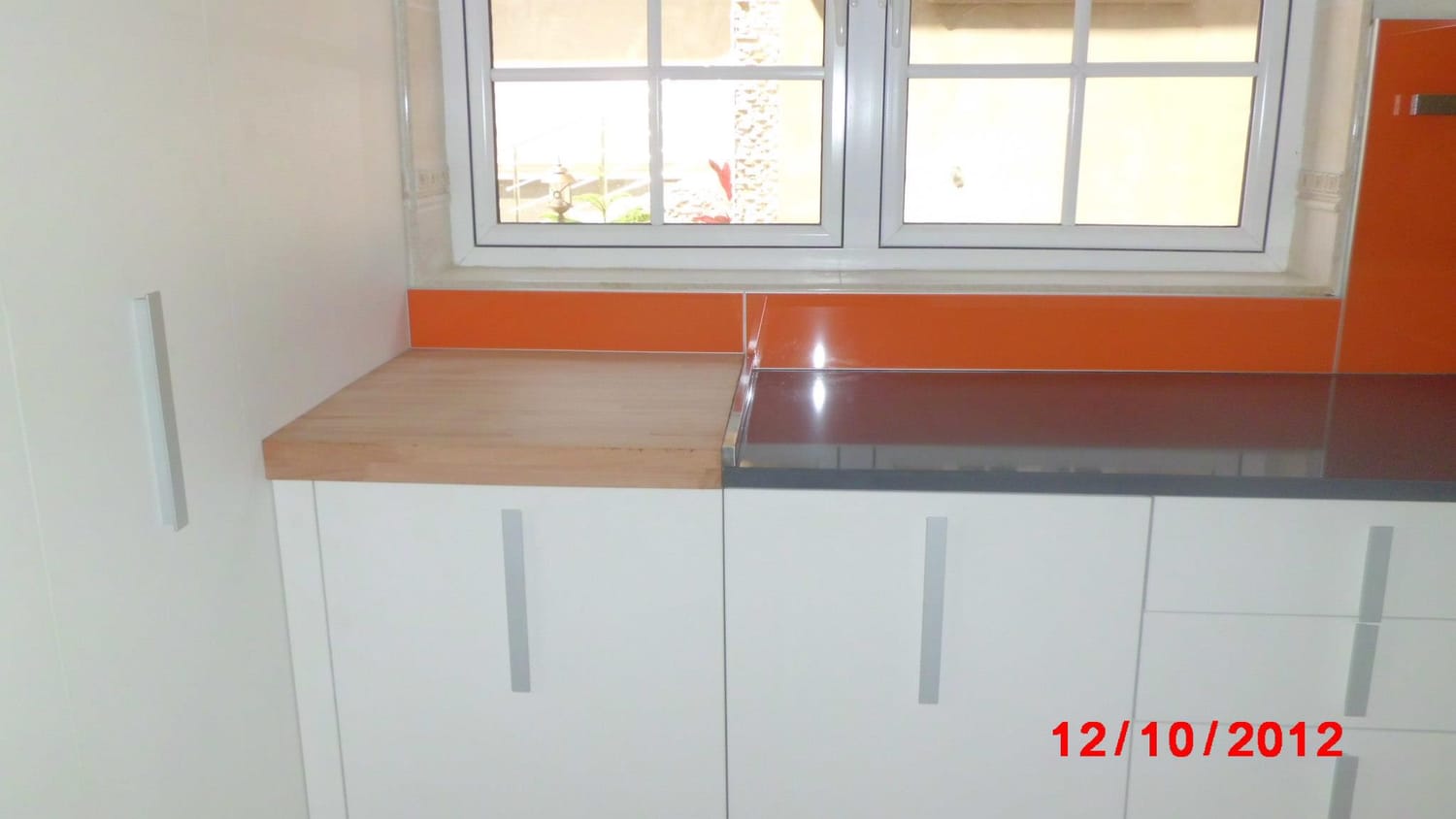
Kitchen Installation Project
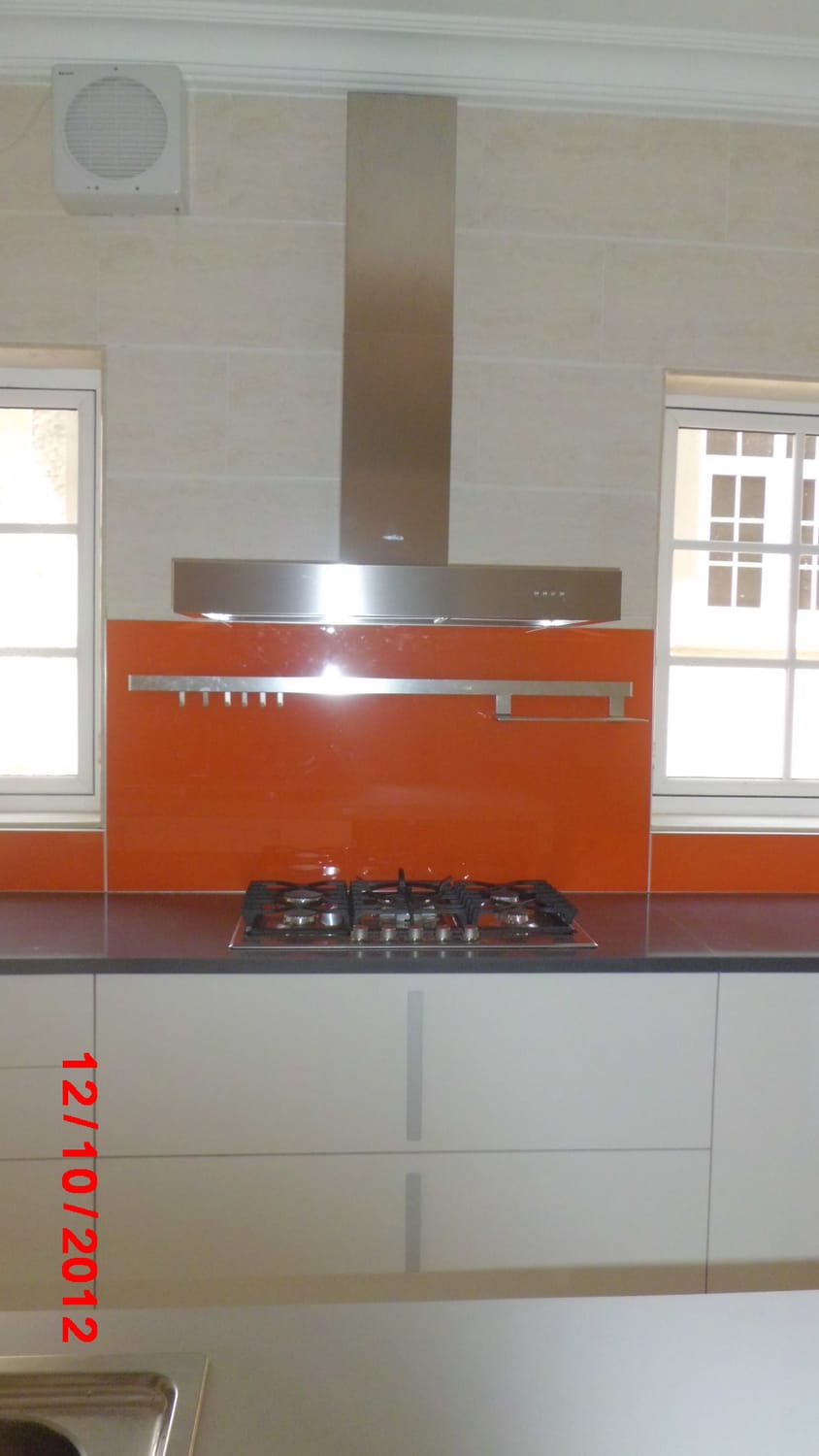
Private Office Lounge
Main Lounge Before
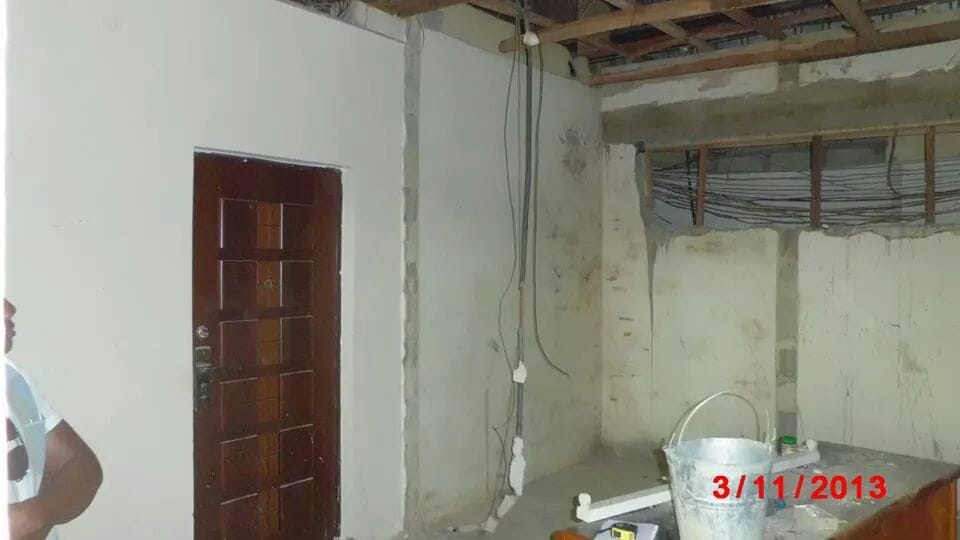
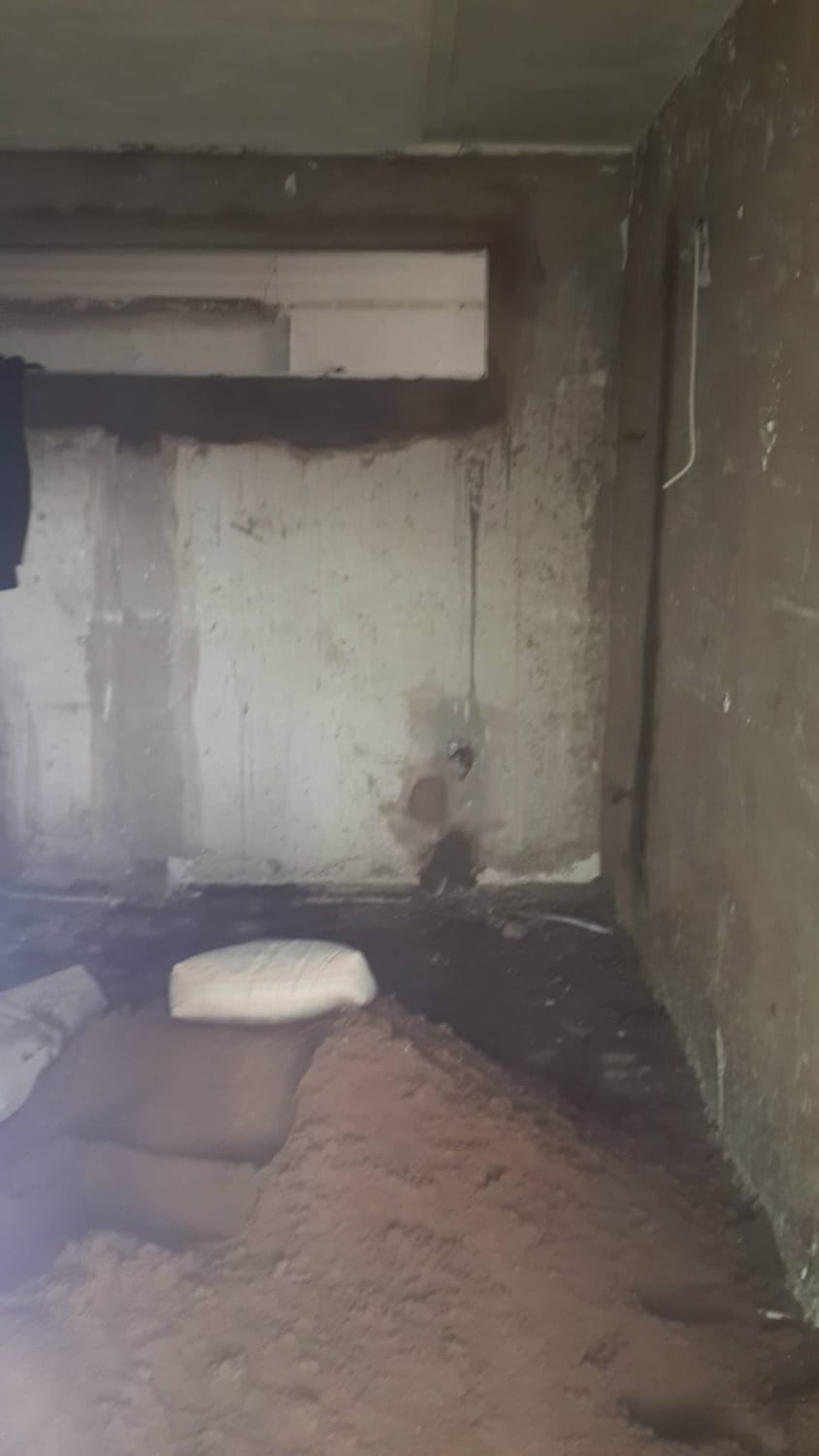
Main Lounge After
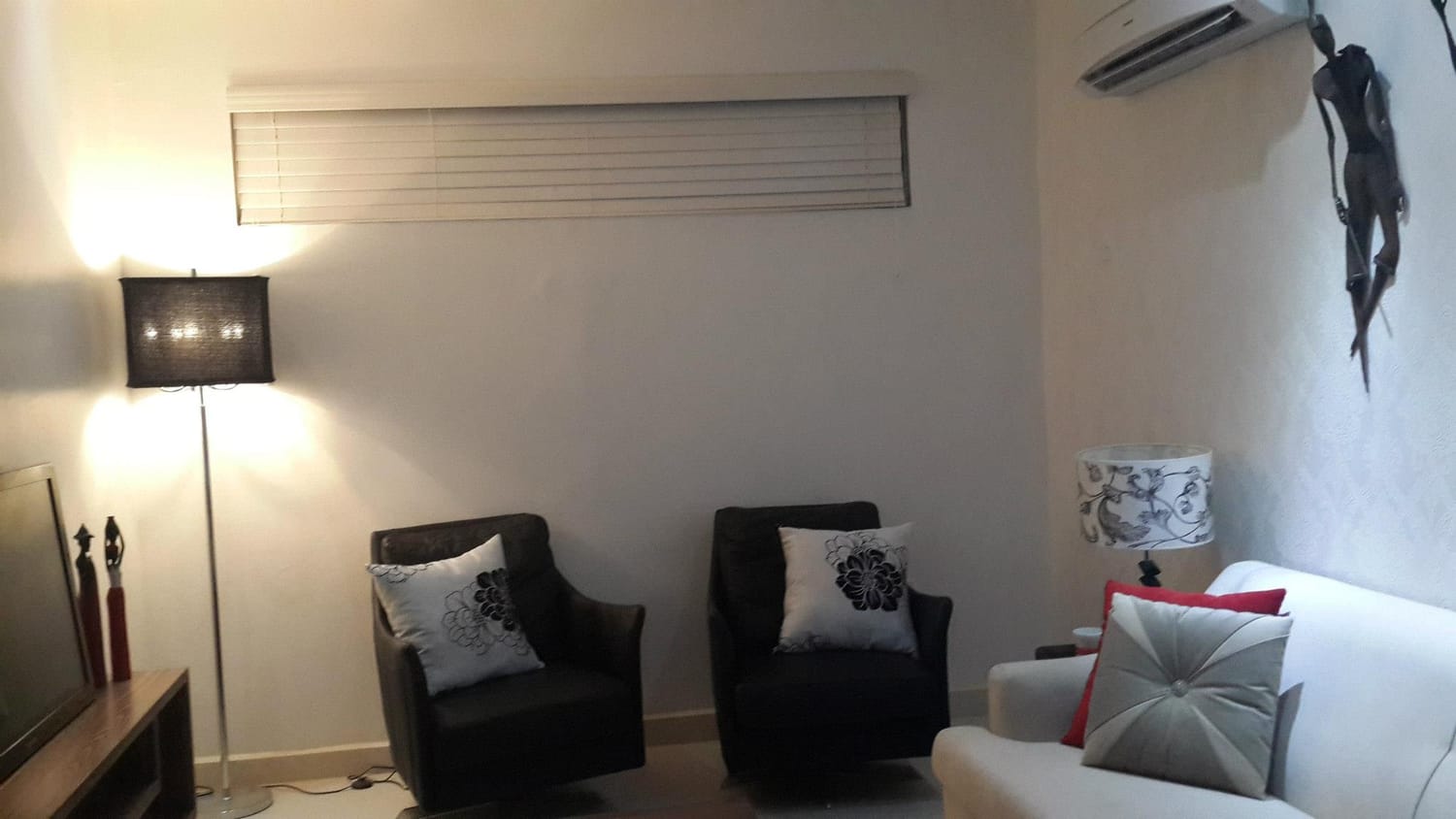
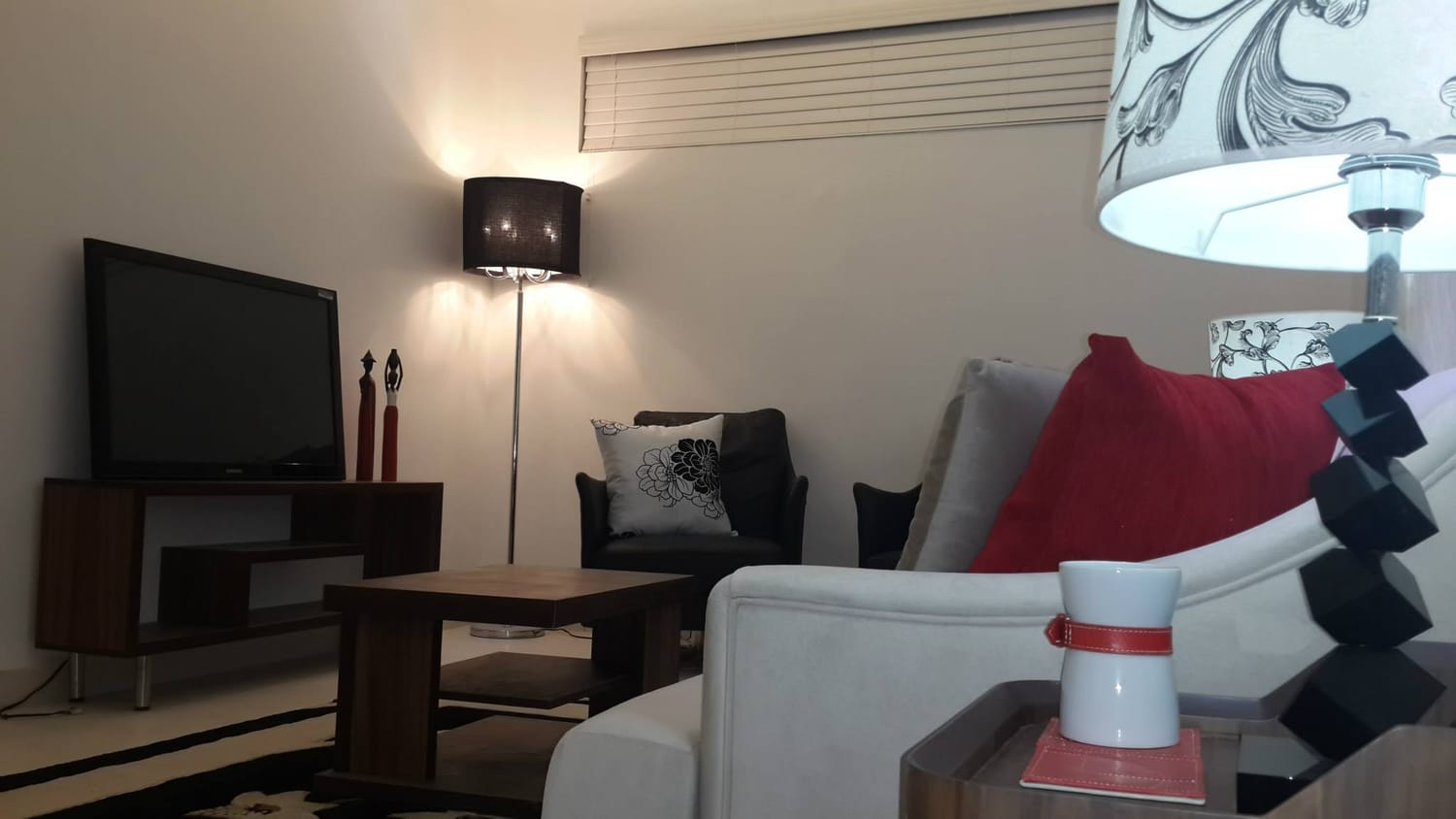
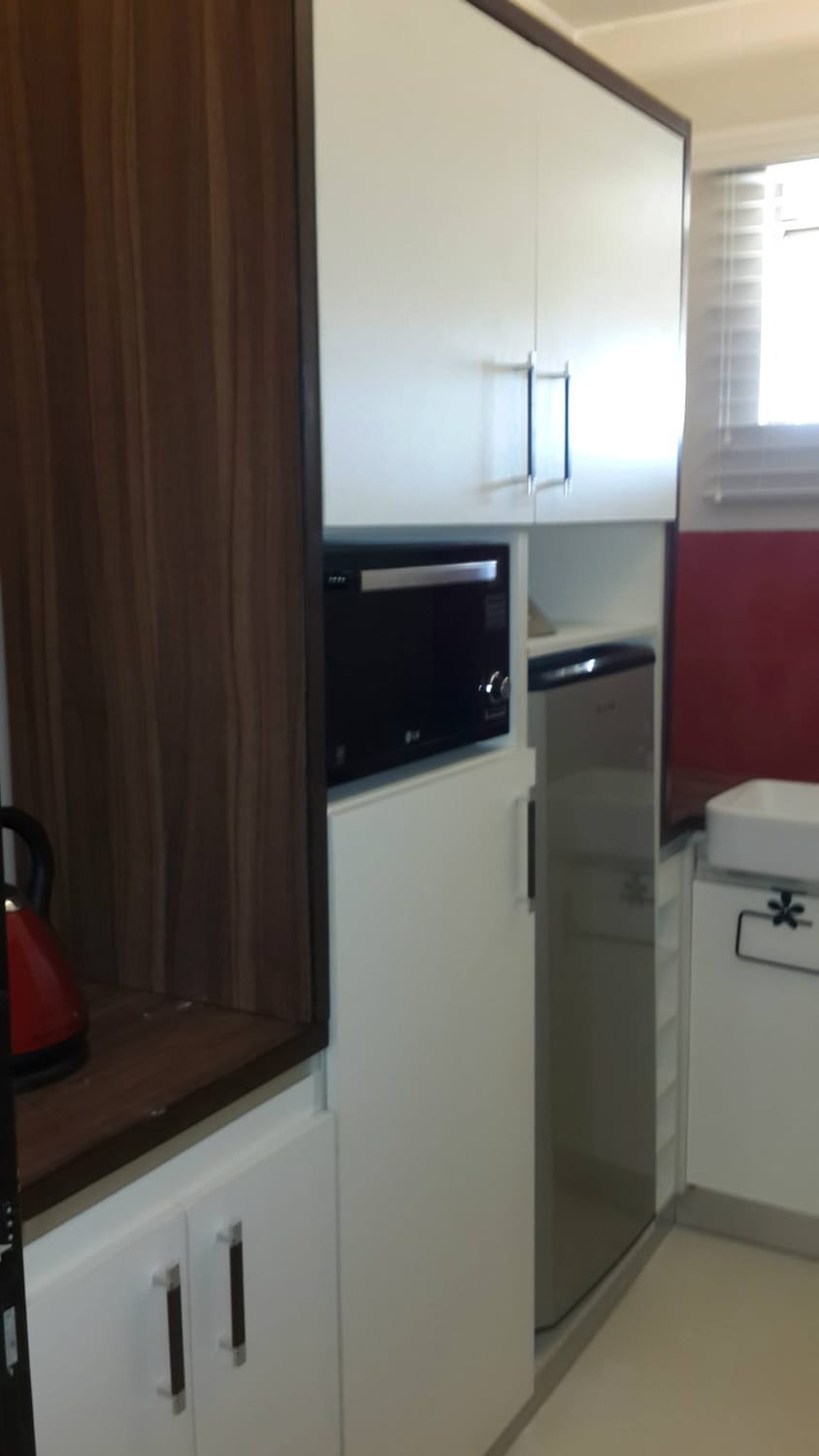
Lounge Kitchenette Before
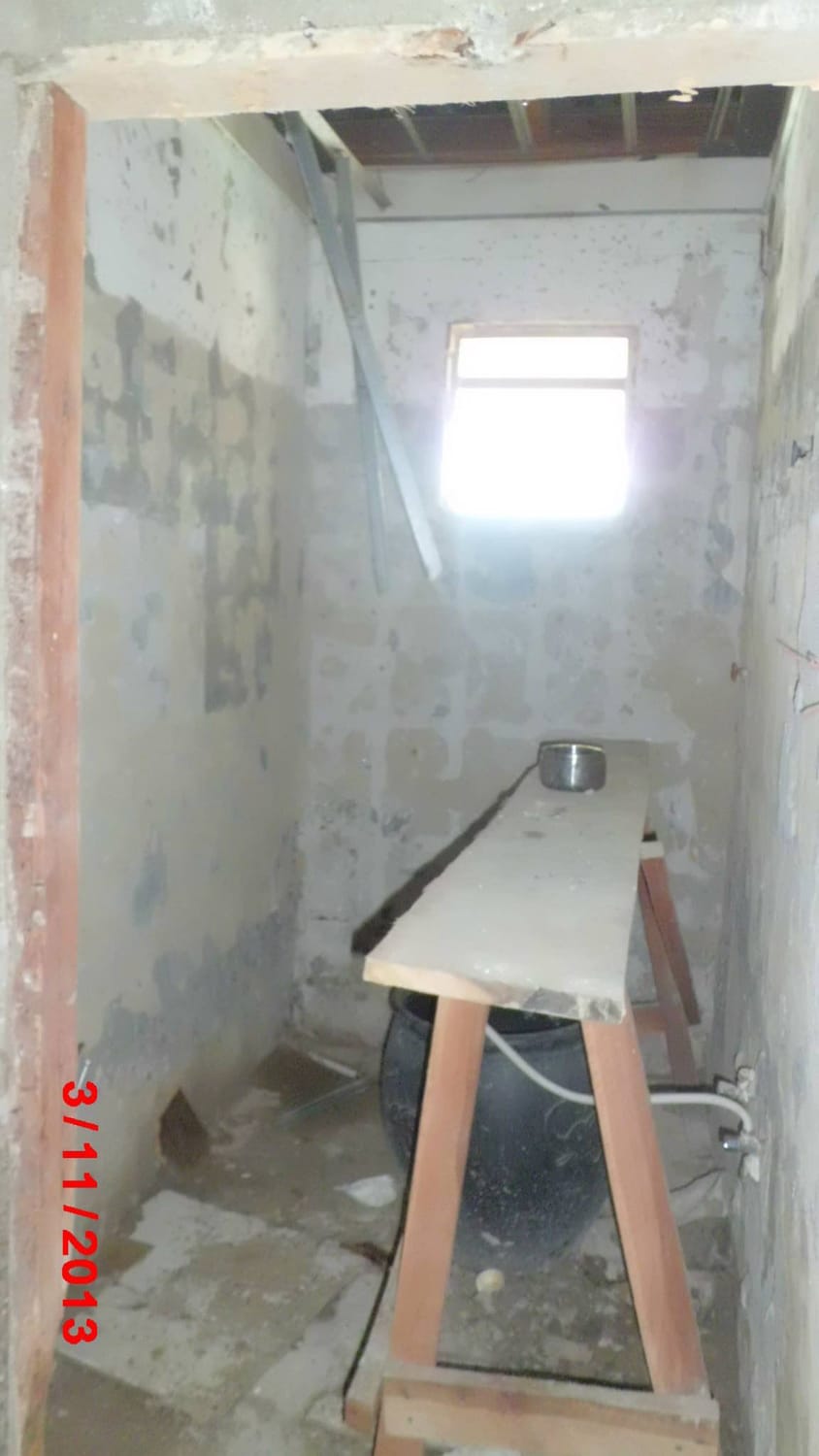
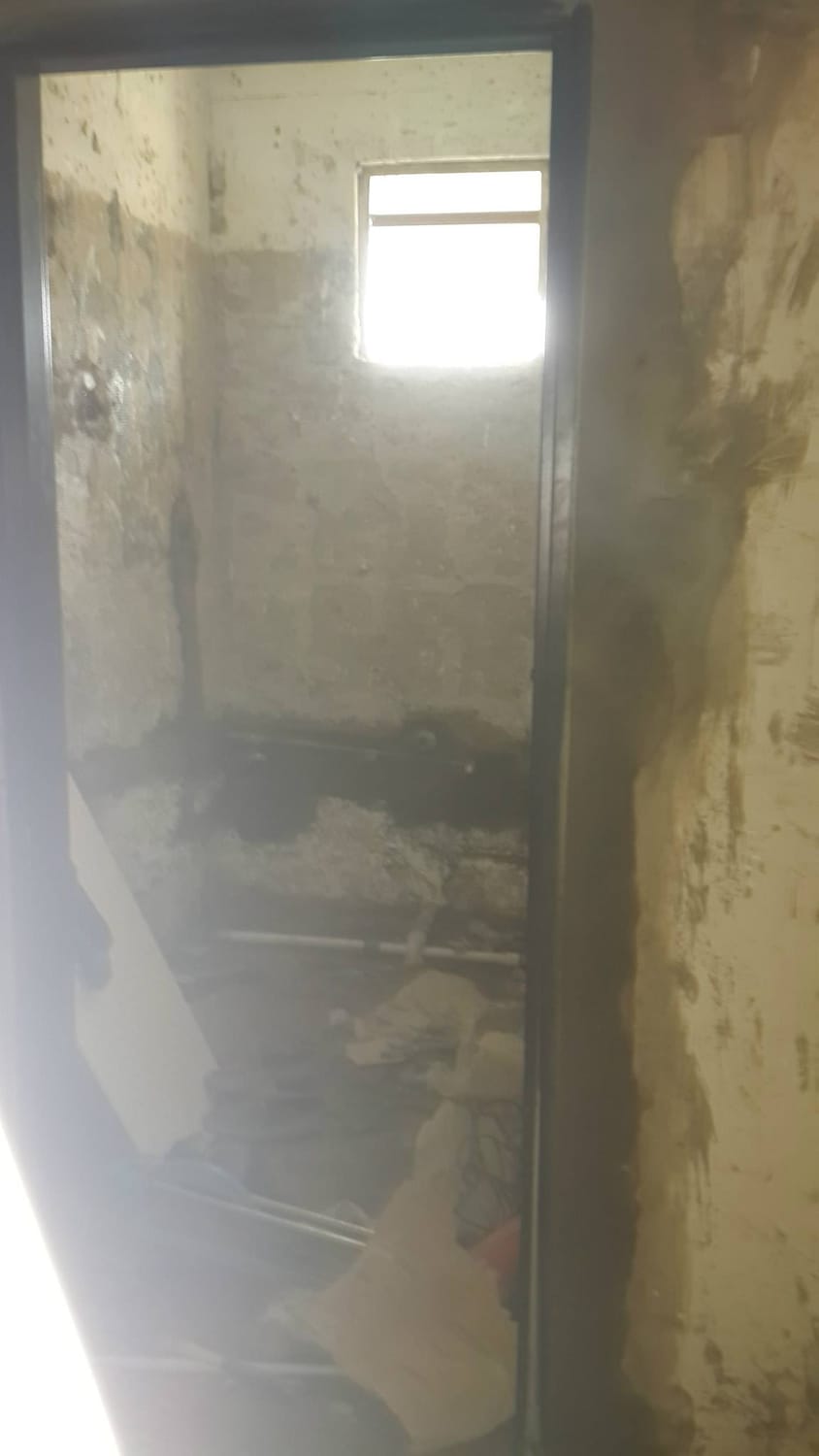
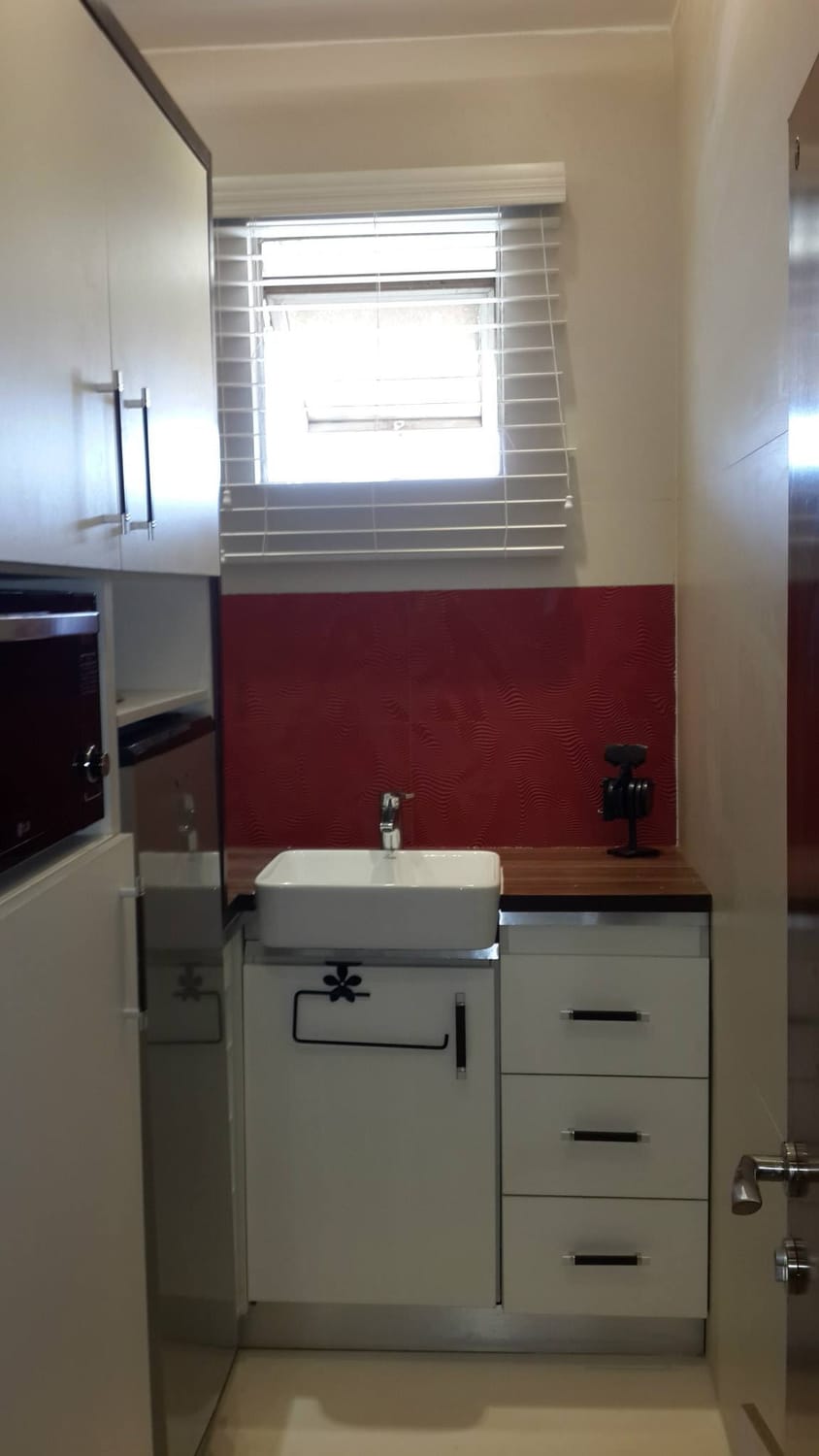
Lounge Kitchenette After
Minister of Agriculture Office: Abuja, Nigeria
Minister's Office Before
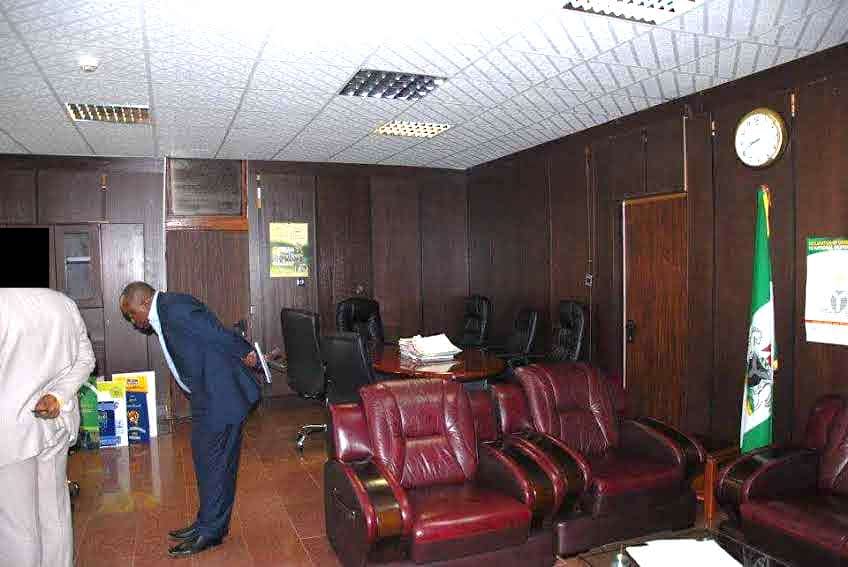
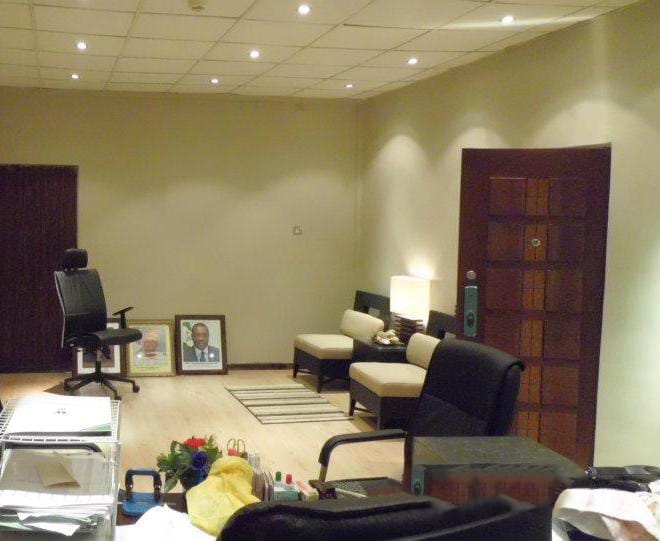
Minister's Office After
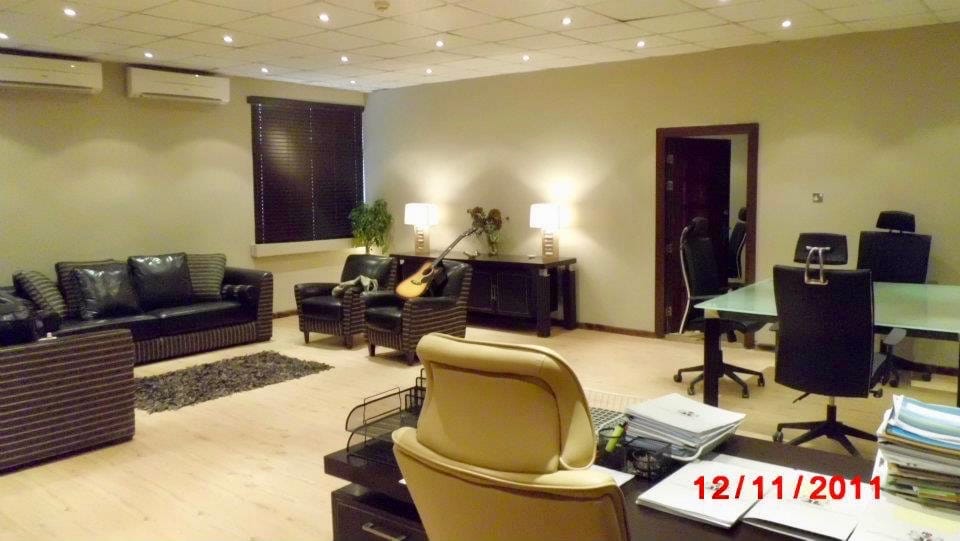
Minister's Reception Before
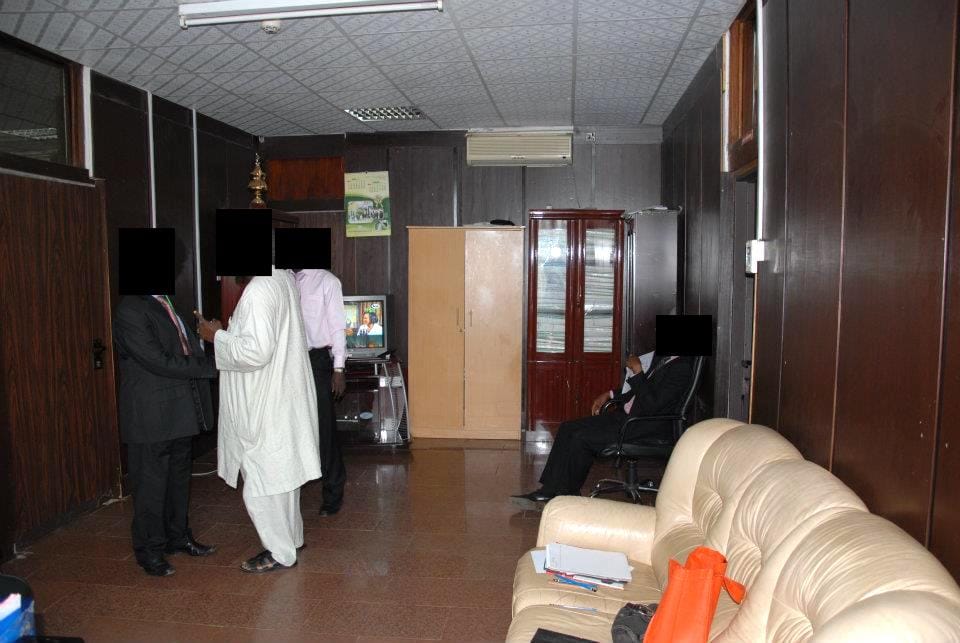
Minister's Reception After
Residential Project
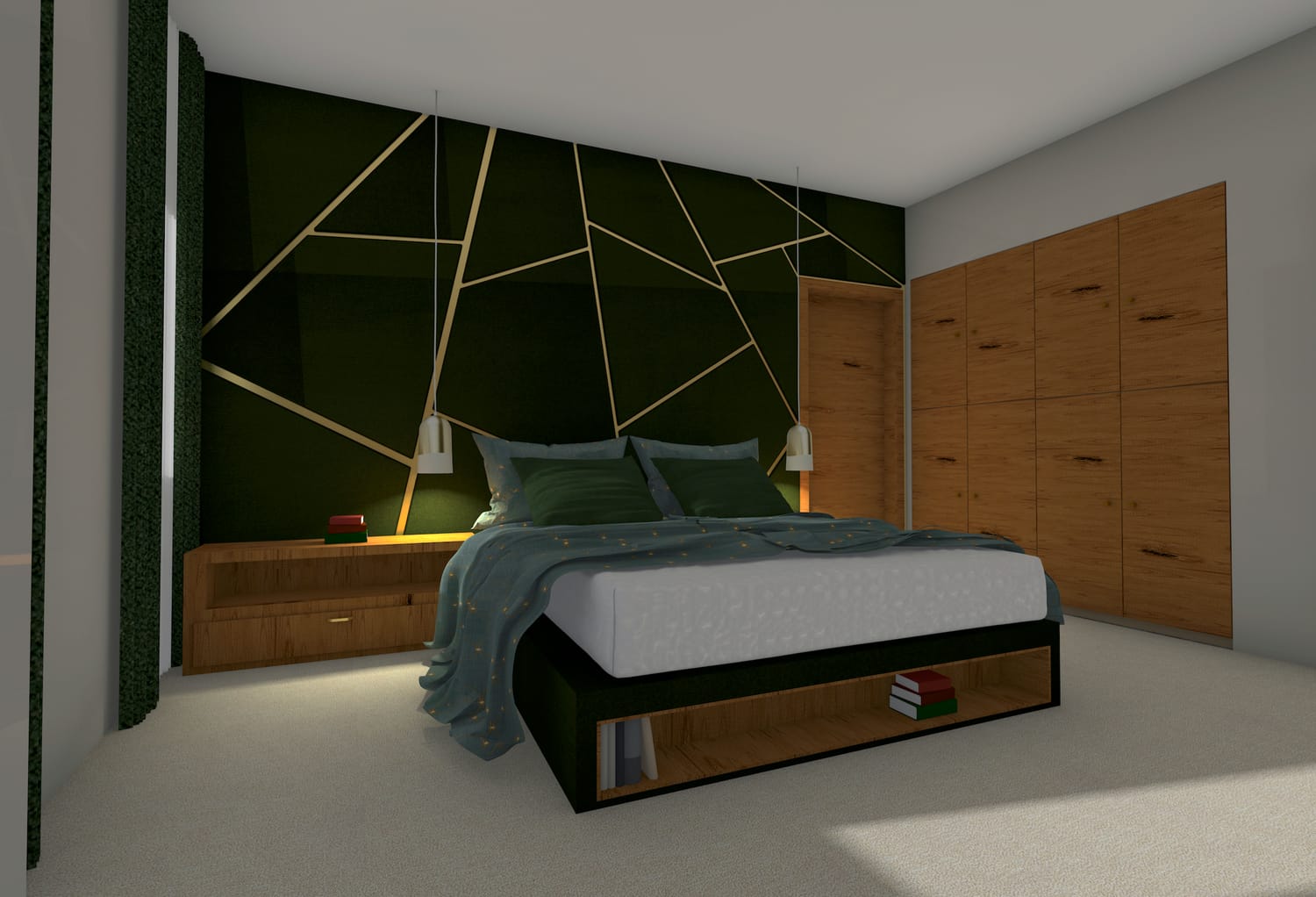
Master Bedroom Render
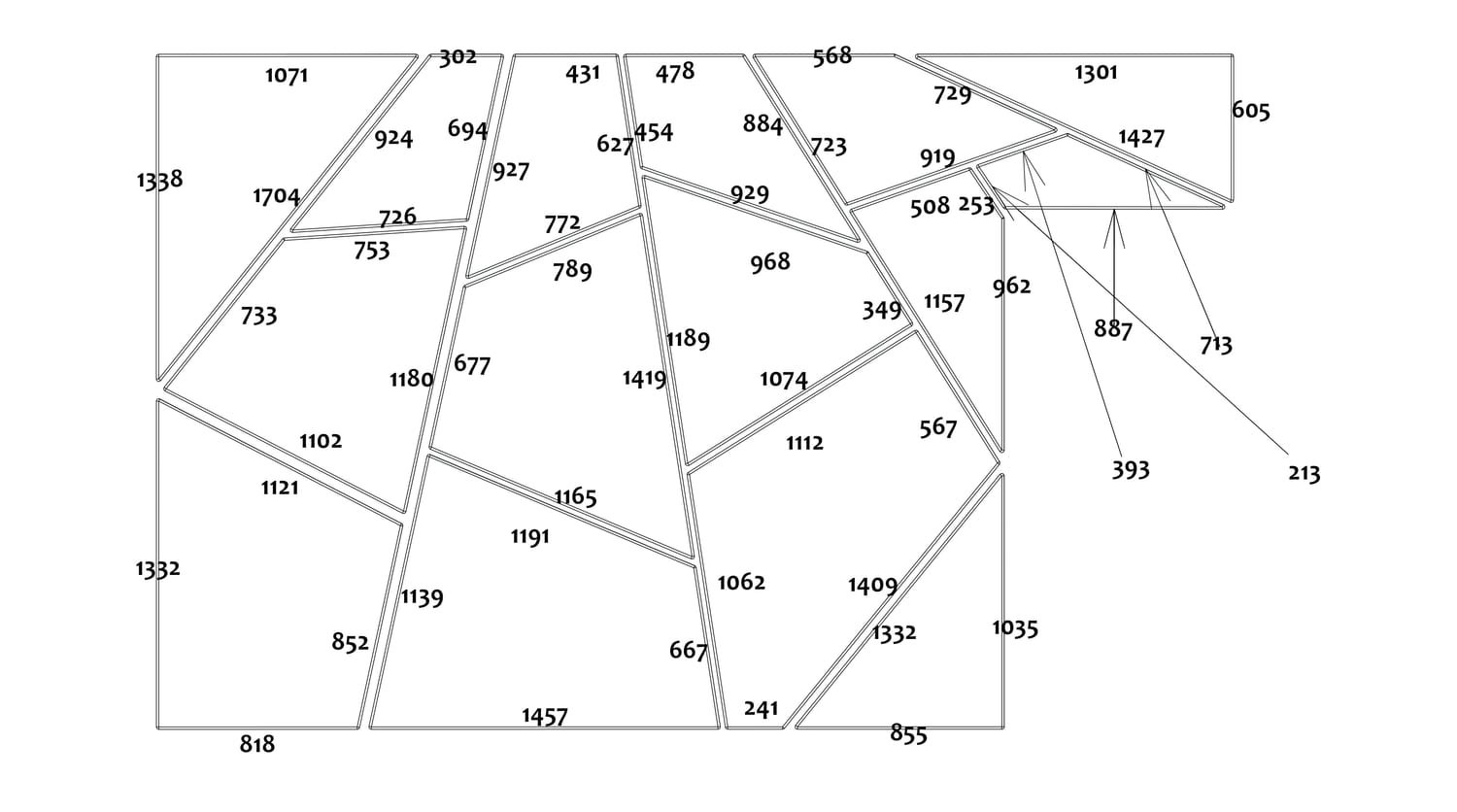
DWD
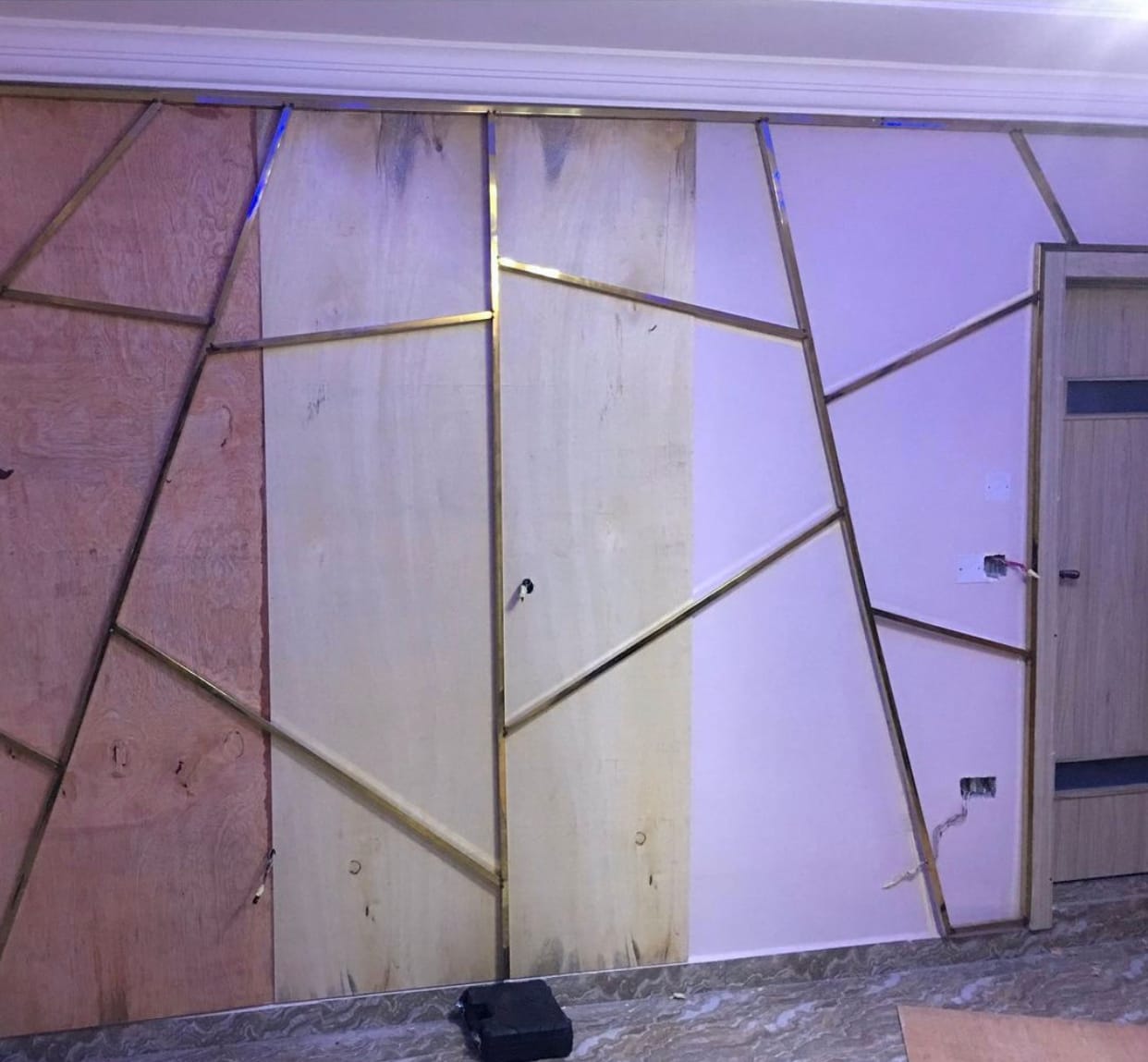
First Install
Second Install
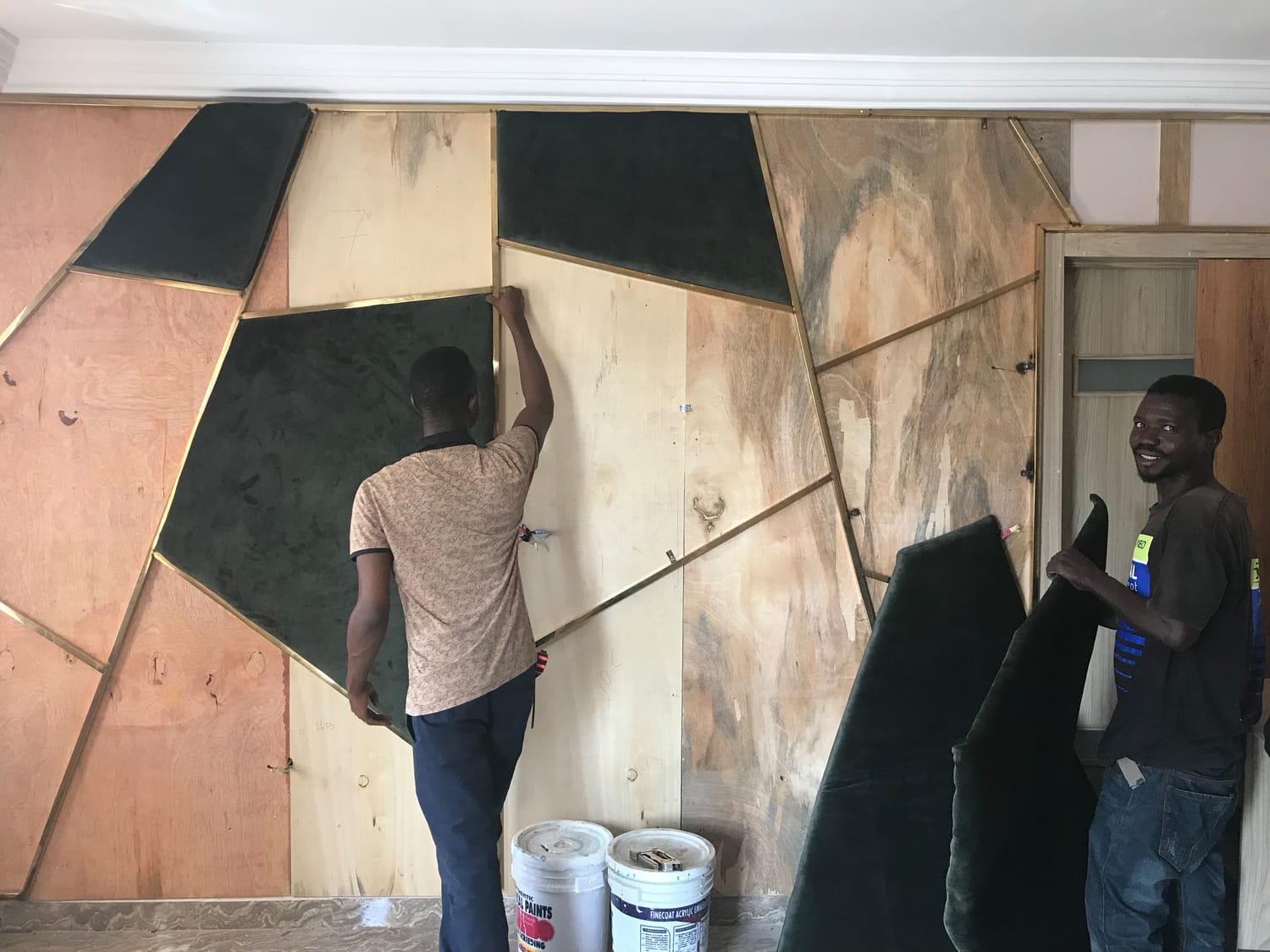
Third Install
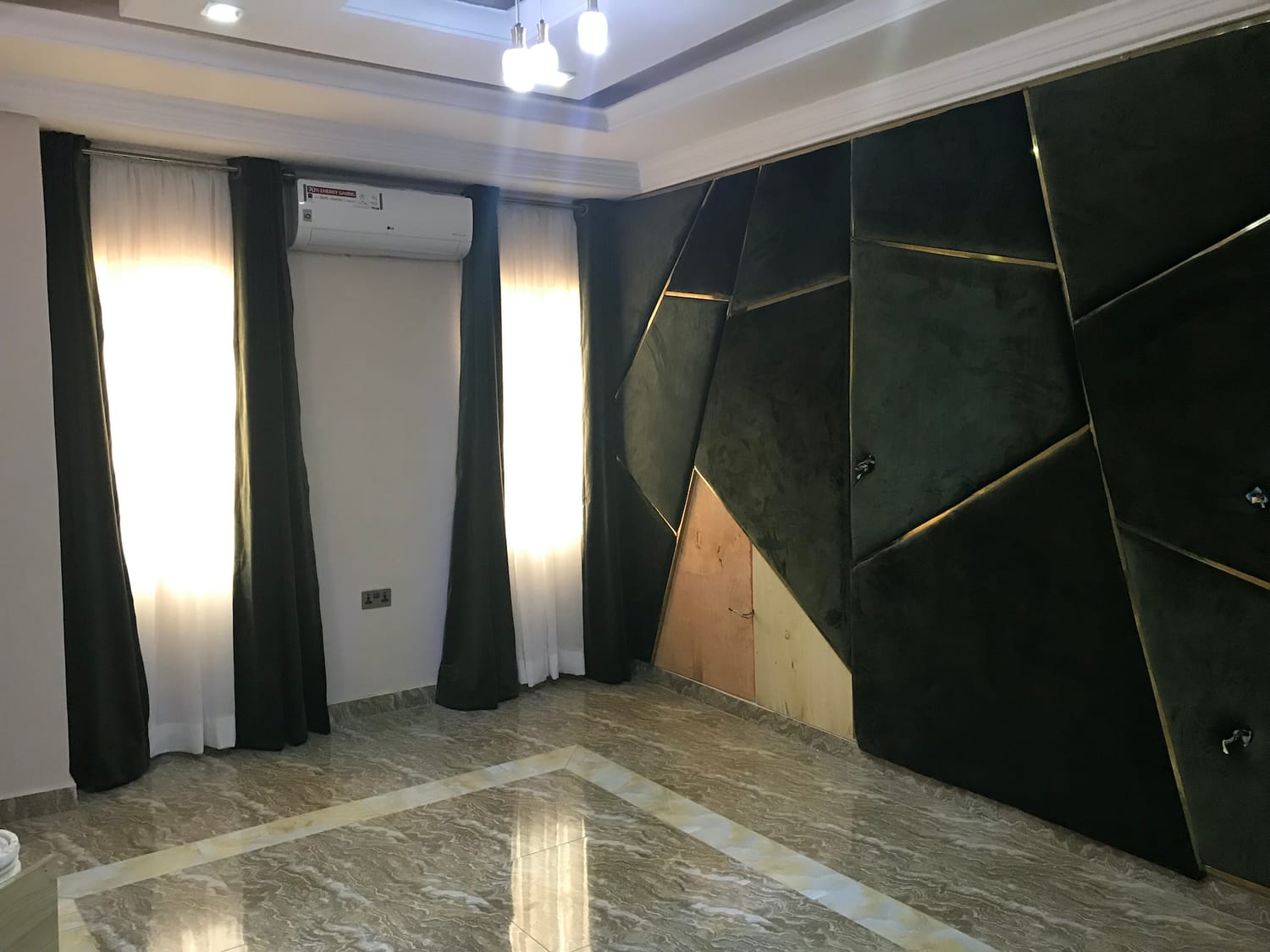
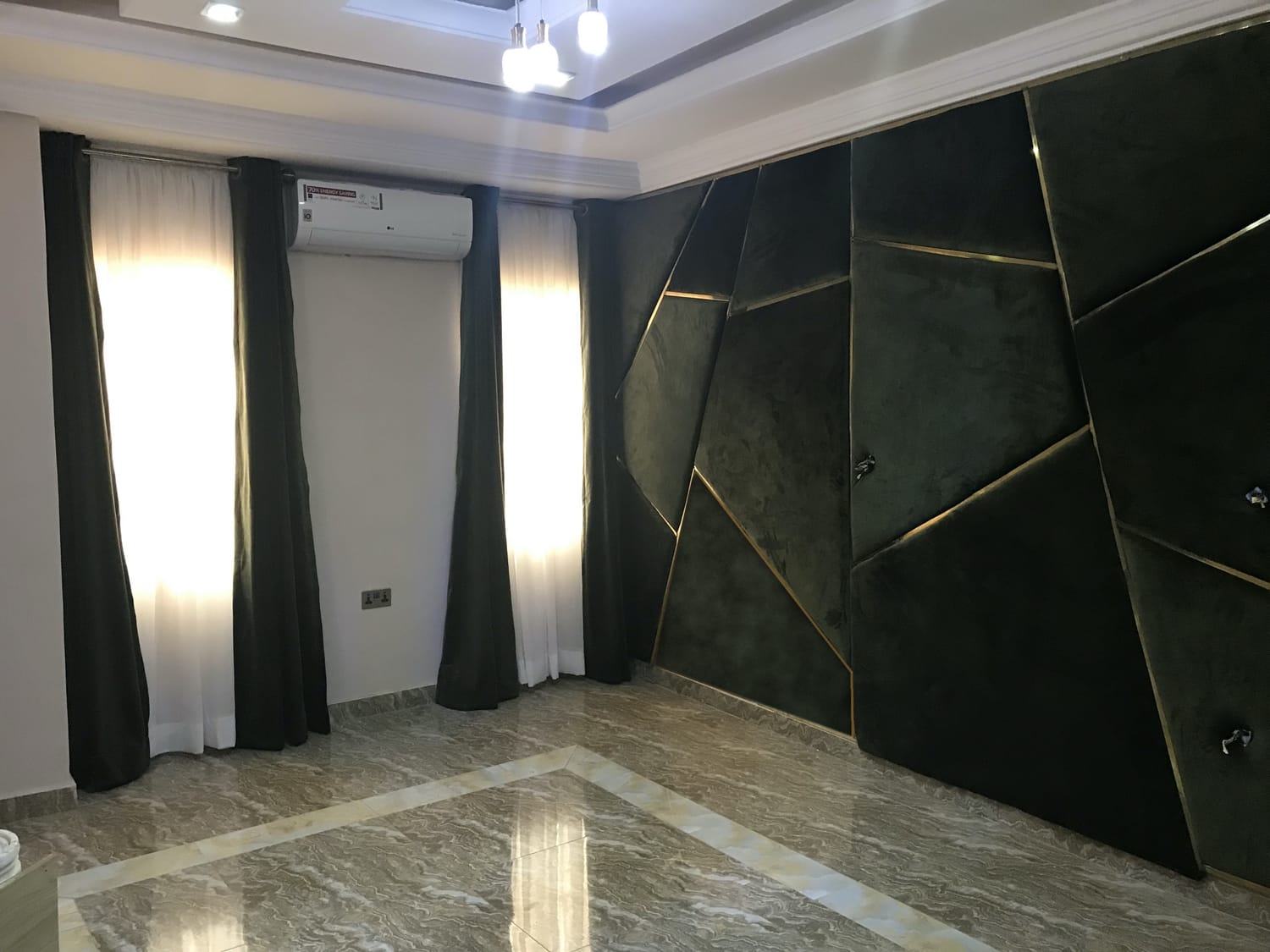
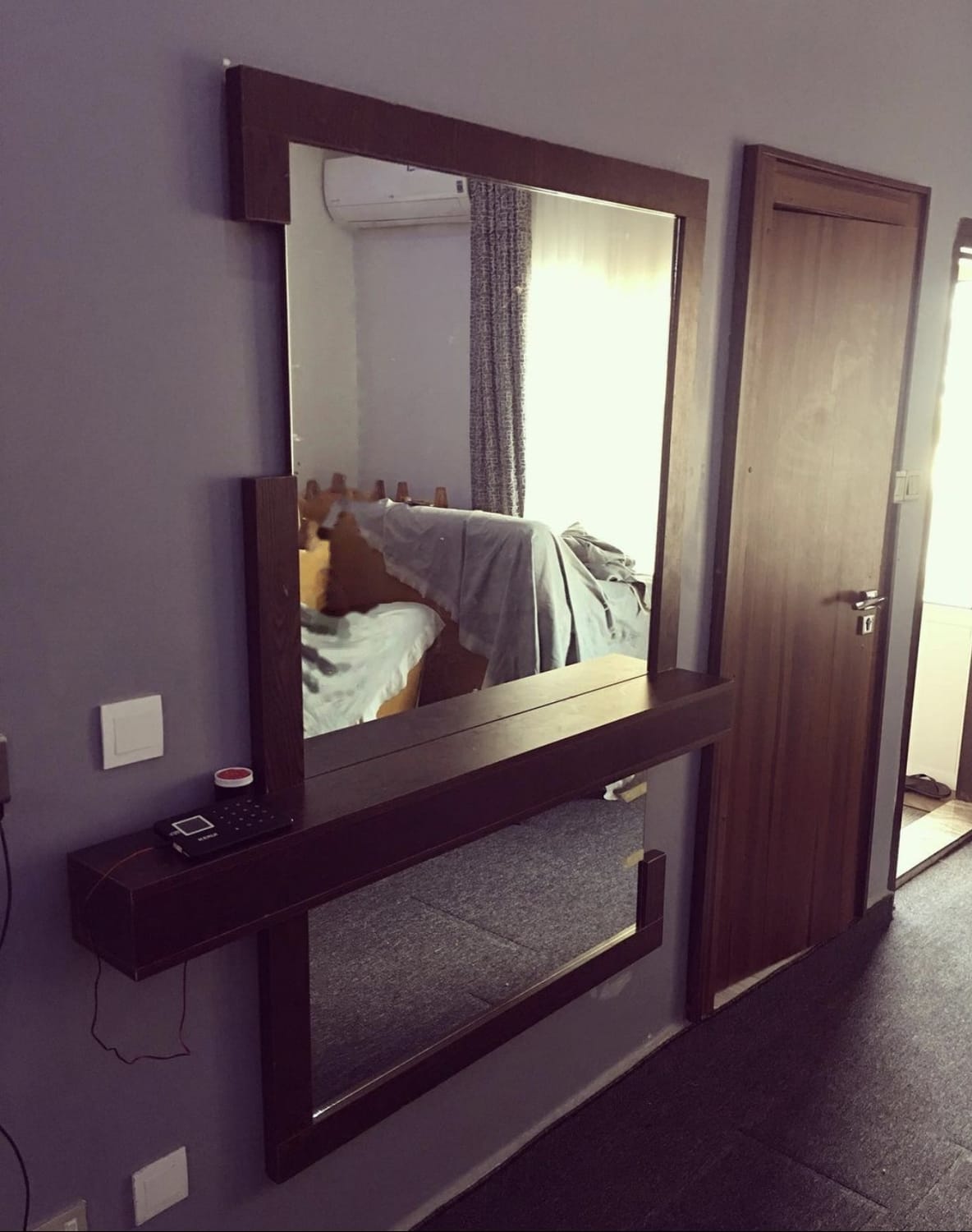
Hanging Console DWD
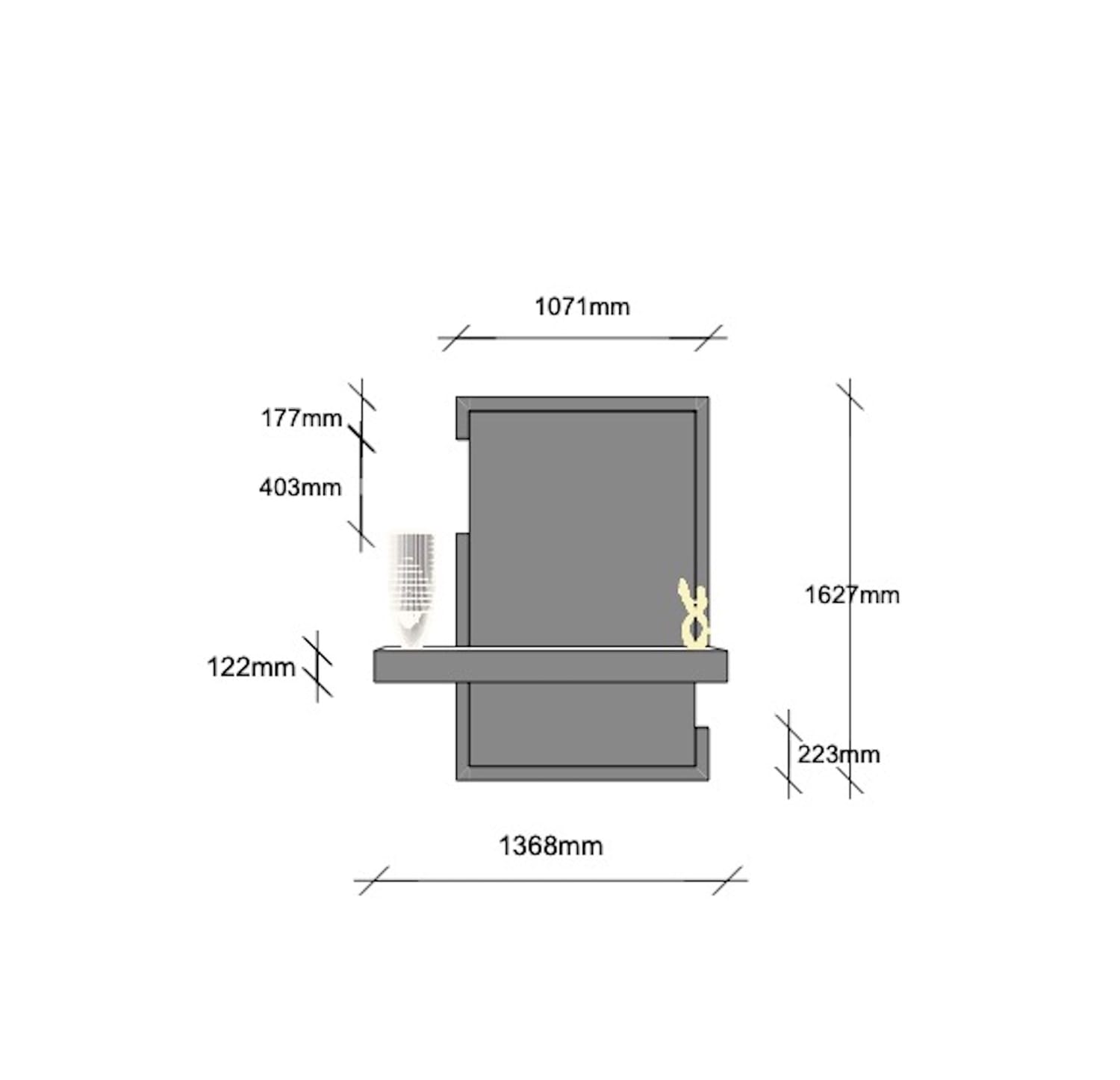
Hanging Console Install
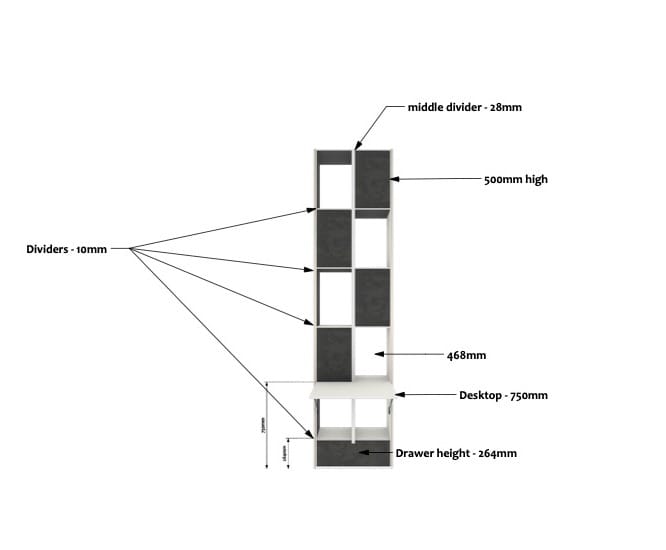
Integrated Bookshelf DWD
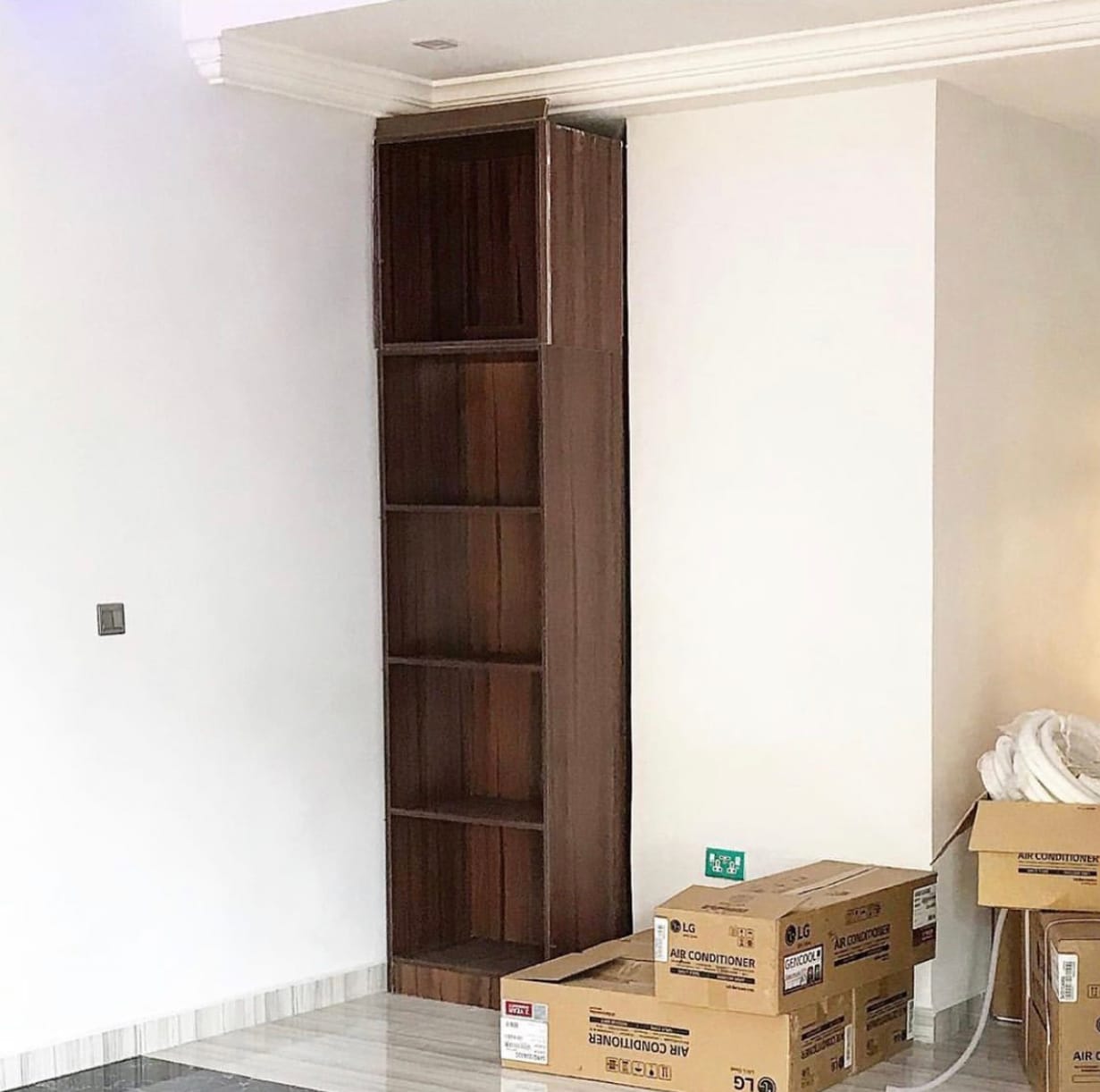
Integrated Bookshelf Before
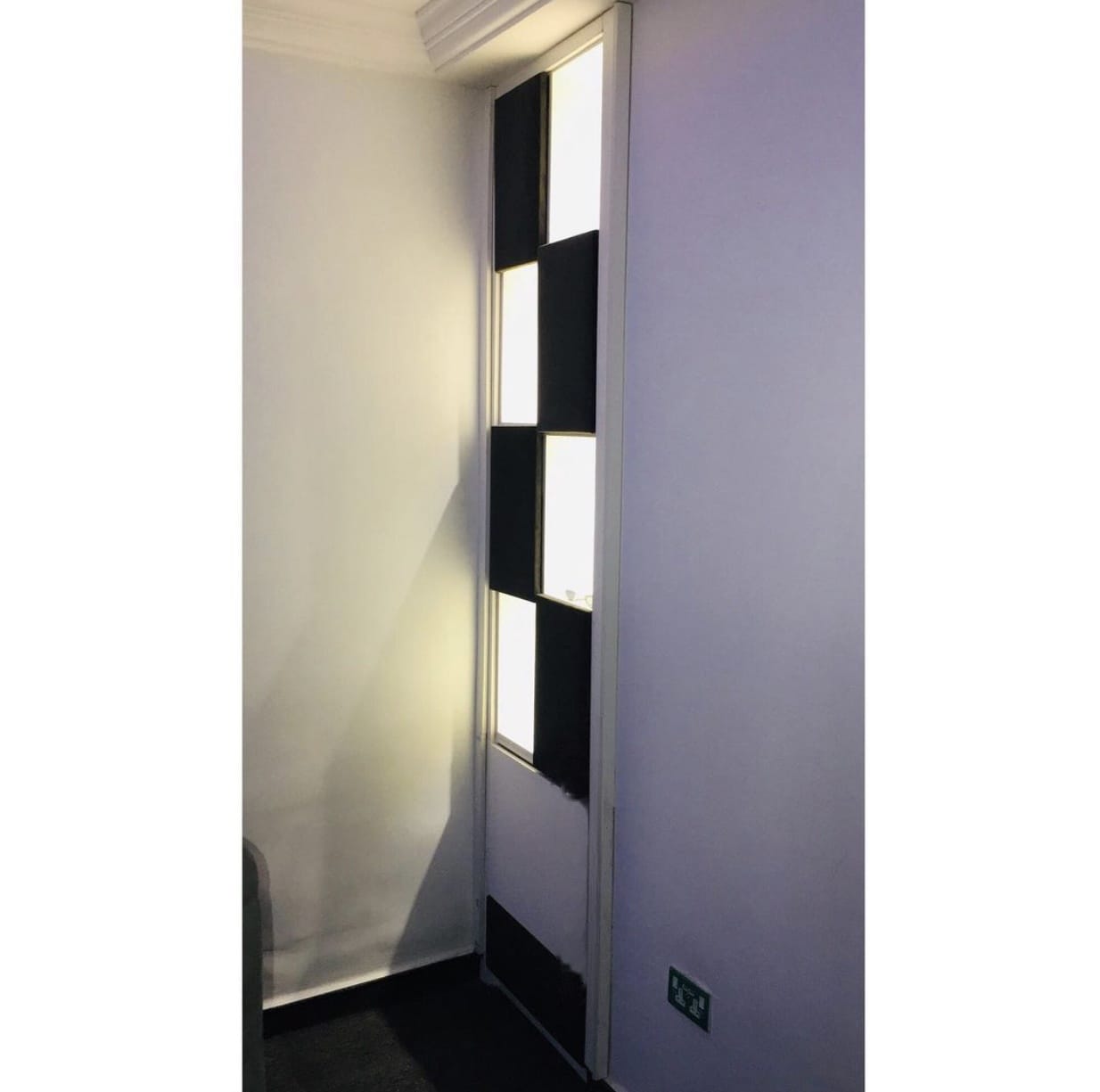
Integrated Bookshelf Install
La Banquiere, Montpellier: Consultancy Interior Designer Project


Case Study
THE BUFFER ZONE: A Neuroscience-Informed Living Model to Support the Cognitive Health of Children Living with ADHD
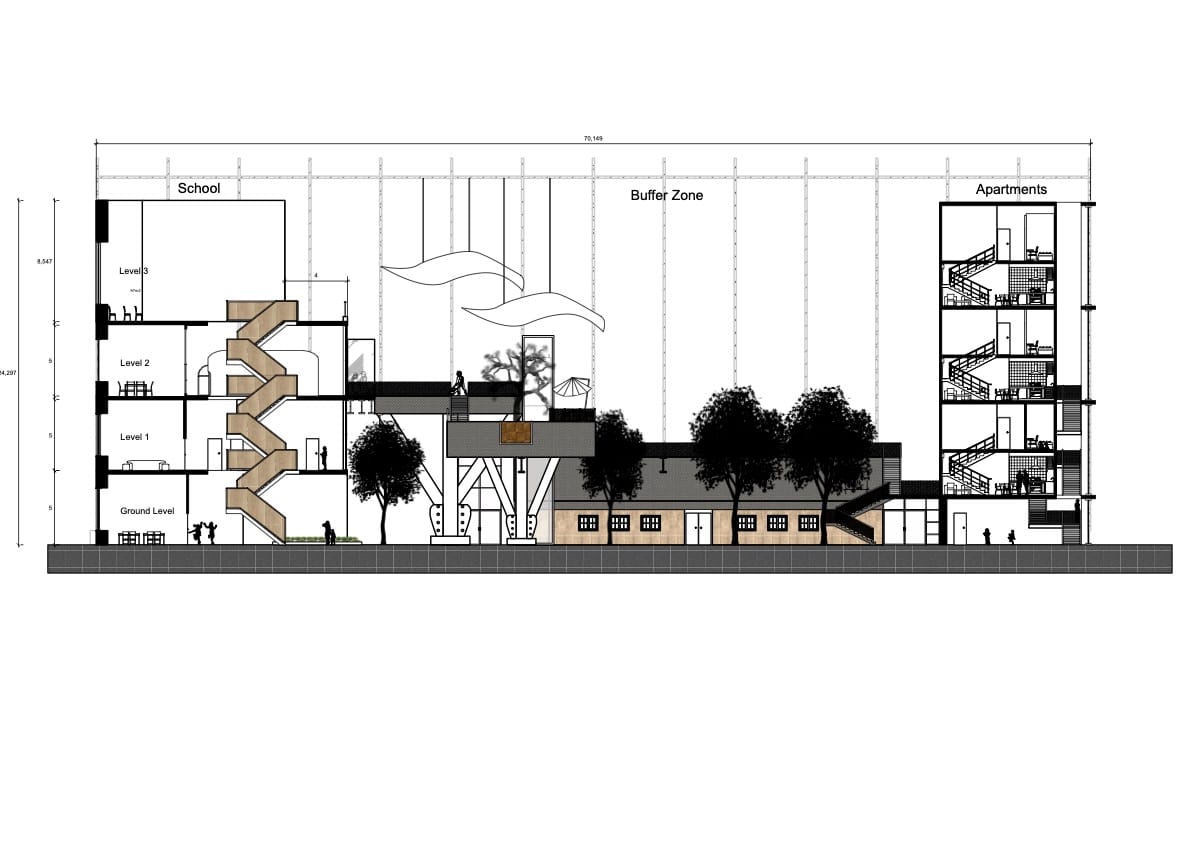
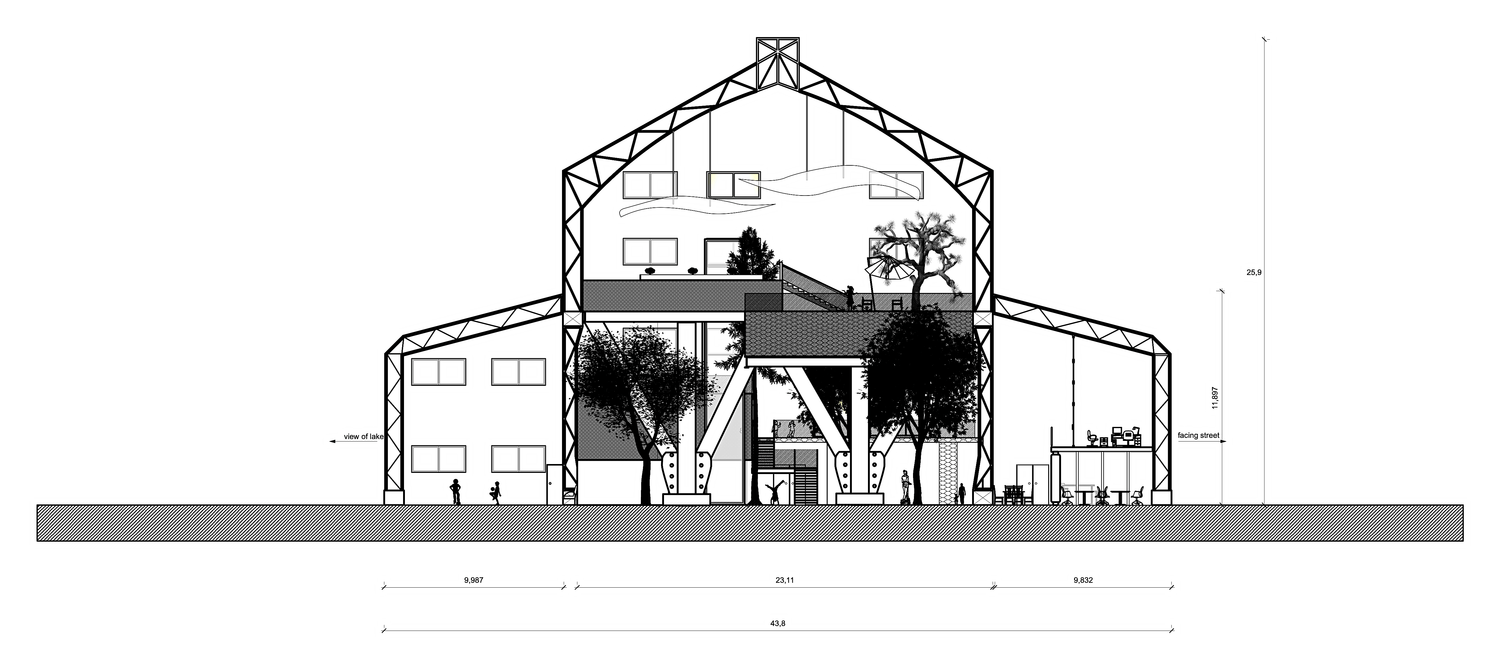
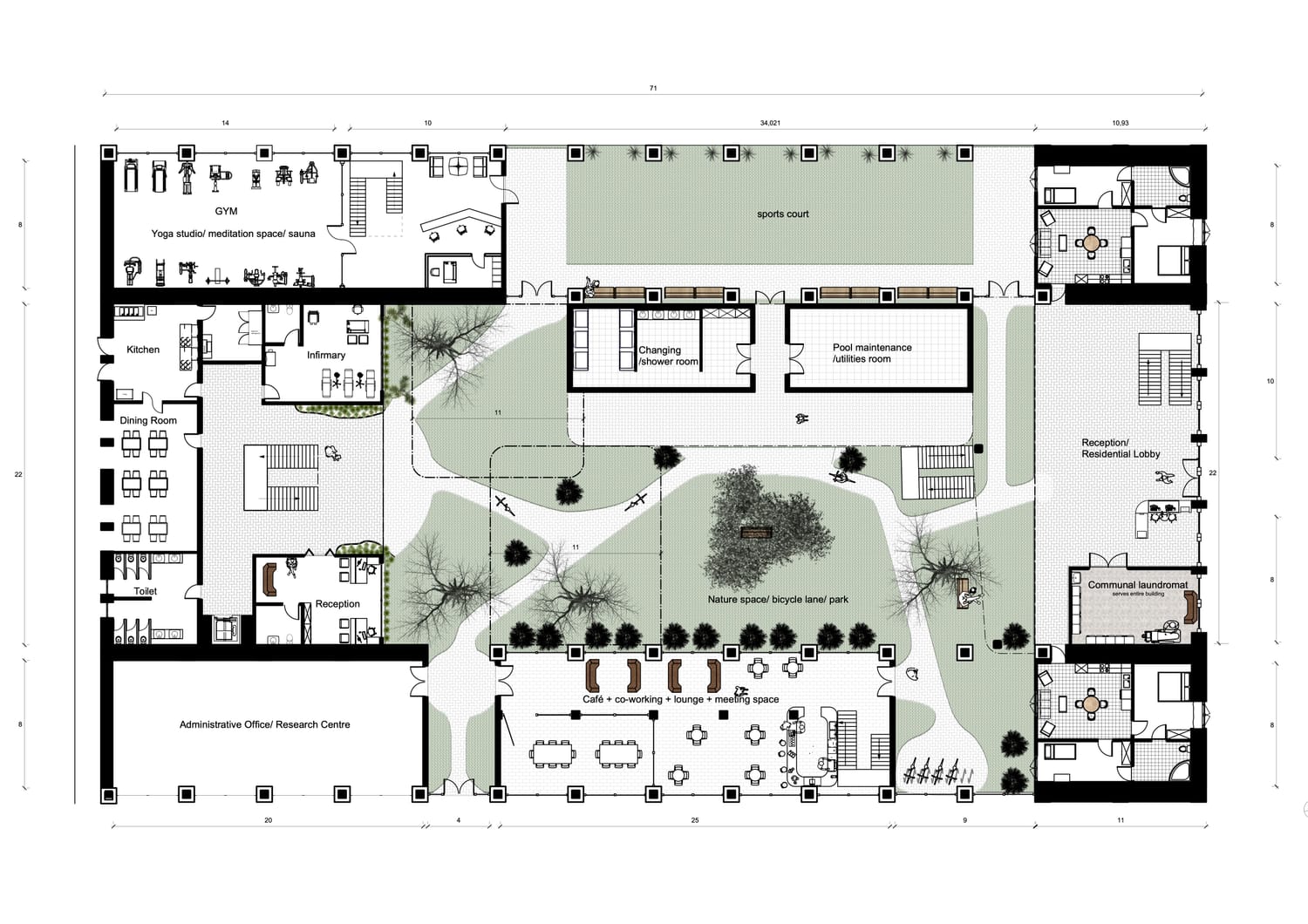
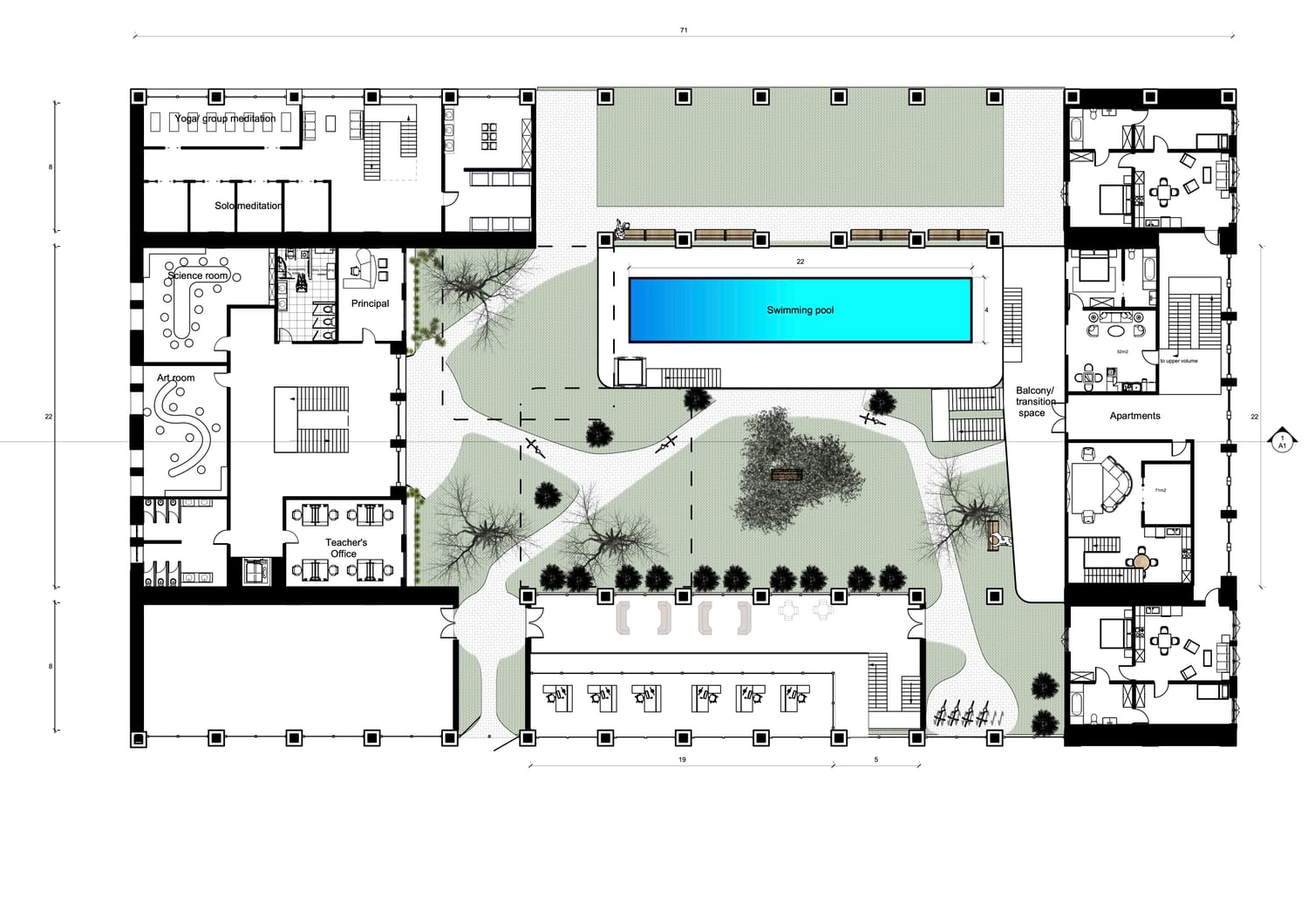
The Buffer Zone is a research-informed living model, developed for my final degree, that explores how a purposefully designed home environment can support the cognitive resilience of children living with ADHD. The framework governs the choice of spatial layout and environmental cues within a dedicated, protected space, and asks whether sustained exposure to cues that support regulation, combined with the removal of cues that aggravate symptoms, can encourage neuroplastic change.
The model proposes an exposure period of 66 to 236 days. This window was informed by habit-formation research available at the time, which identified a median of 66 days to automaticity with wide individual variation (Lally et al., 2009).
A more recent systematic review and meta-analysis of 20 studies and 2,601 participants (2024) reaches a consistent conclusion: median times to habit formation fall between 59 and 66 days, while individual timelines range from 4 to 335 days, and behavioural complexity is the strongest influence on duration.
Habit formation is used here as a behavioural proxy for the consolidation of new patterns. It is not a direct measure of neural change.
The research examines two related questions.
The first concerns agency: whether children who spend consistent time in an environment calibrated to the way their brains work will leave it as young adults with a lived, embodied understanding of which environmental cues support them and which undermine them, and with the capacity to shape their own environments accordingly.
The second concerns neuroplasticity: whether repeated exposure to supportive cues can help form new neural pathways, with the potential to modify, to a degree, the presenting symptoms associated with ADHD.
The Buffer Zone does not treat ADHD as a deficit to be corrected. It treats the environment as a variable that can either amplify or soften symptoms, and positions design as a form of scaffolding that builds capacity over time.
Long Section View
Short Section View
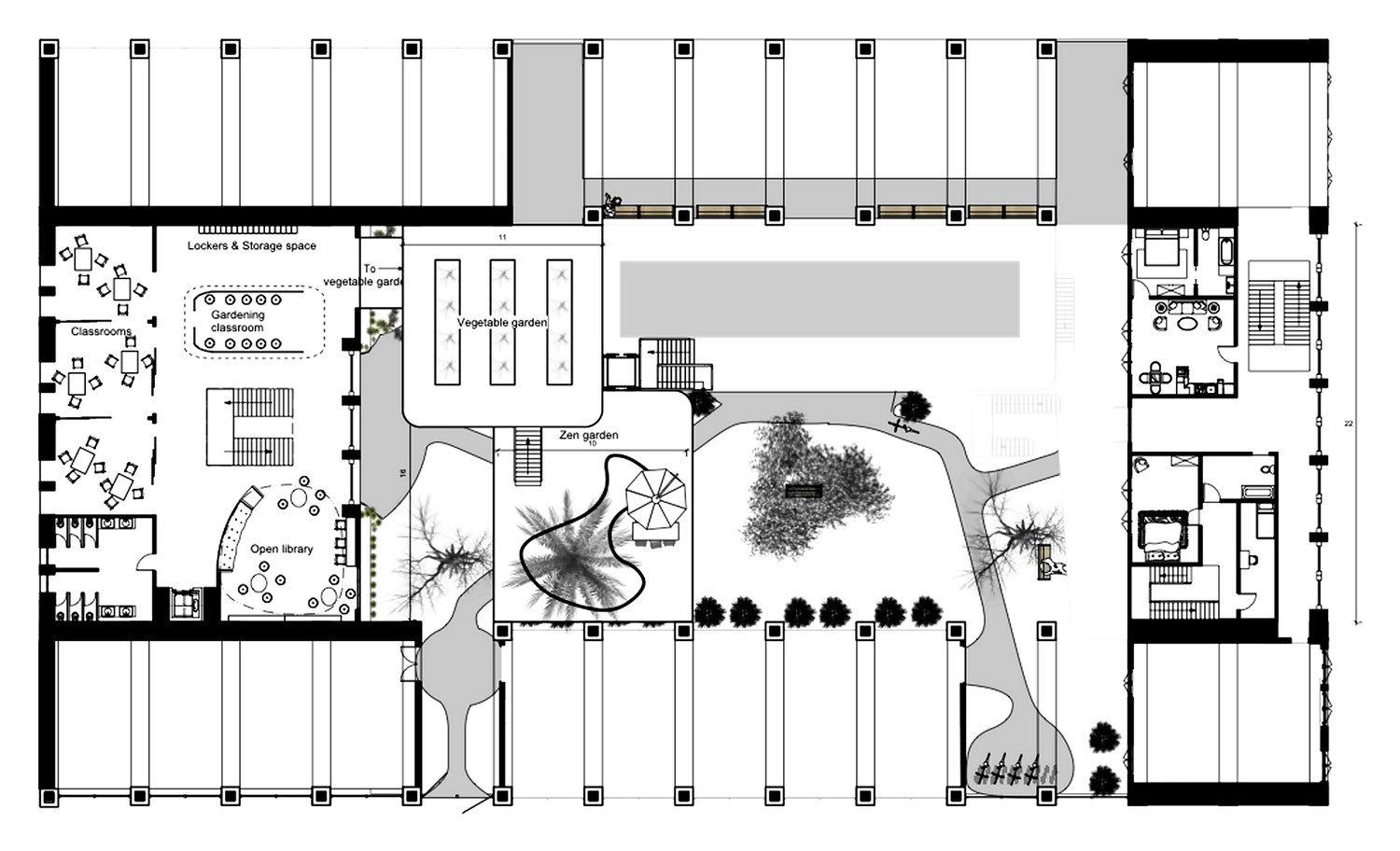
Level 1 Plan View
Level 2 Plan View
Level 3 Plan View
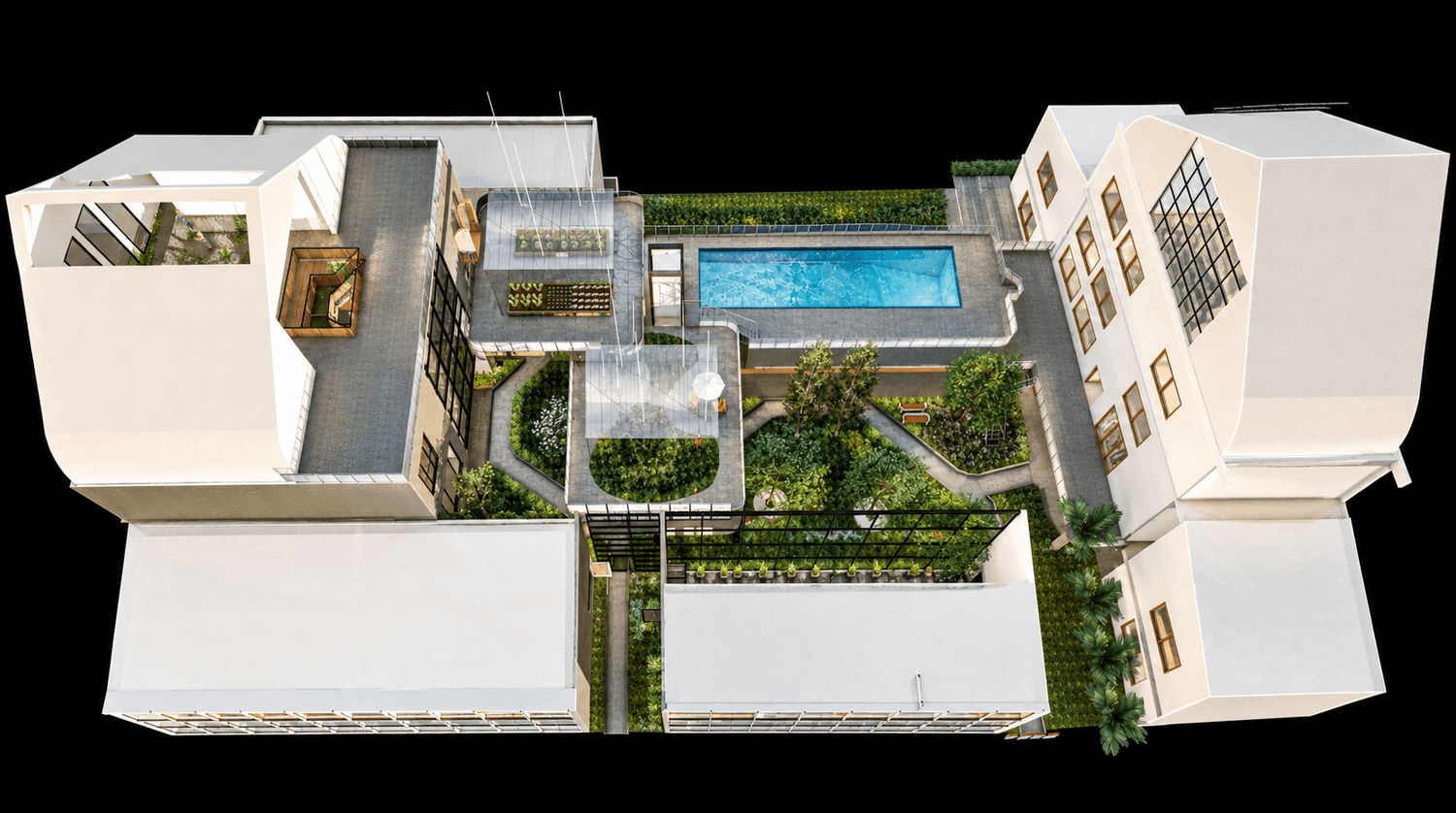
Rendered Birds Eye View
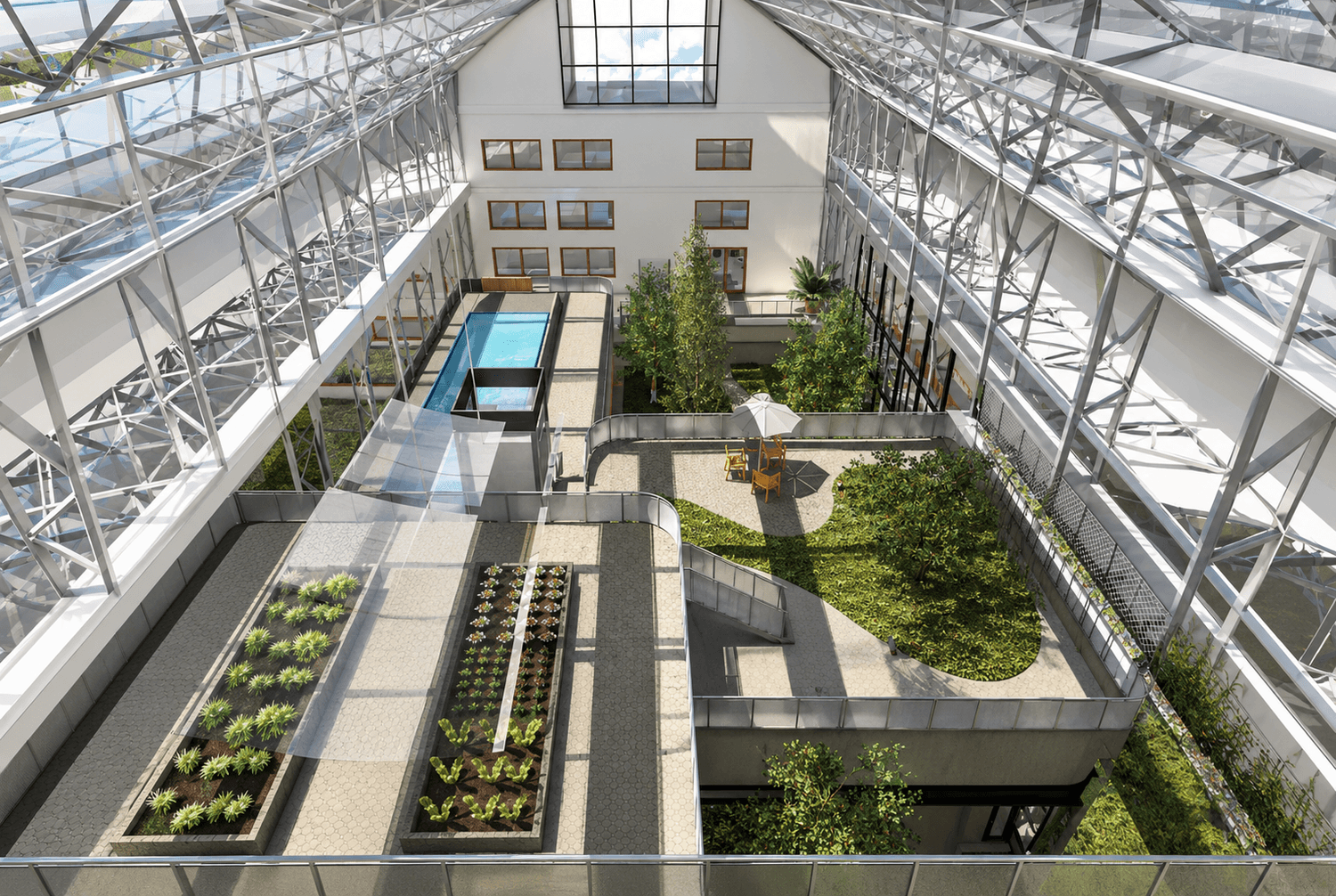
Overview: Suspended garden and meditation space
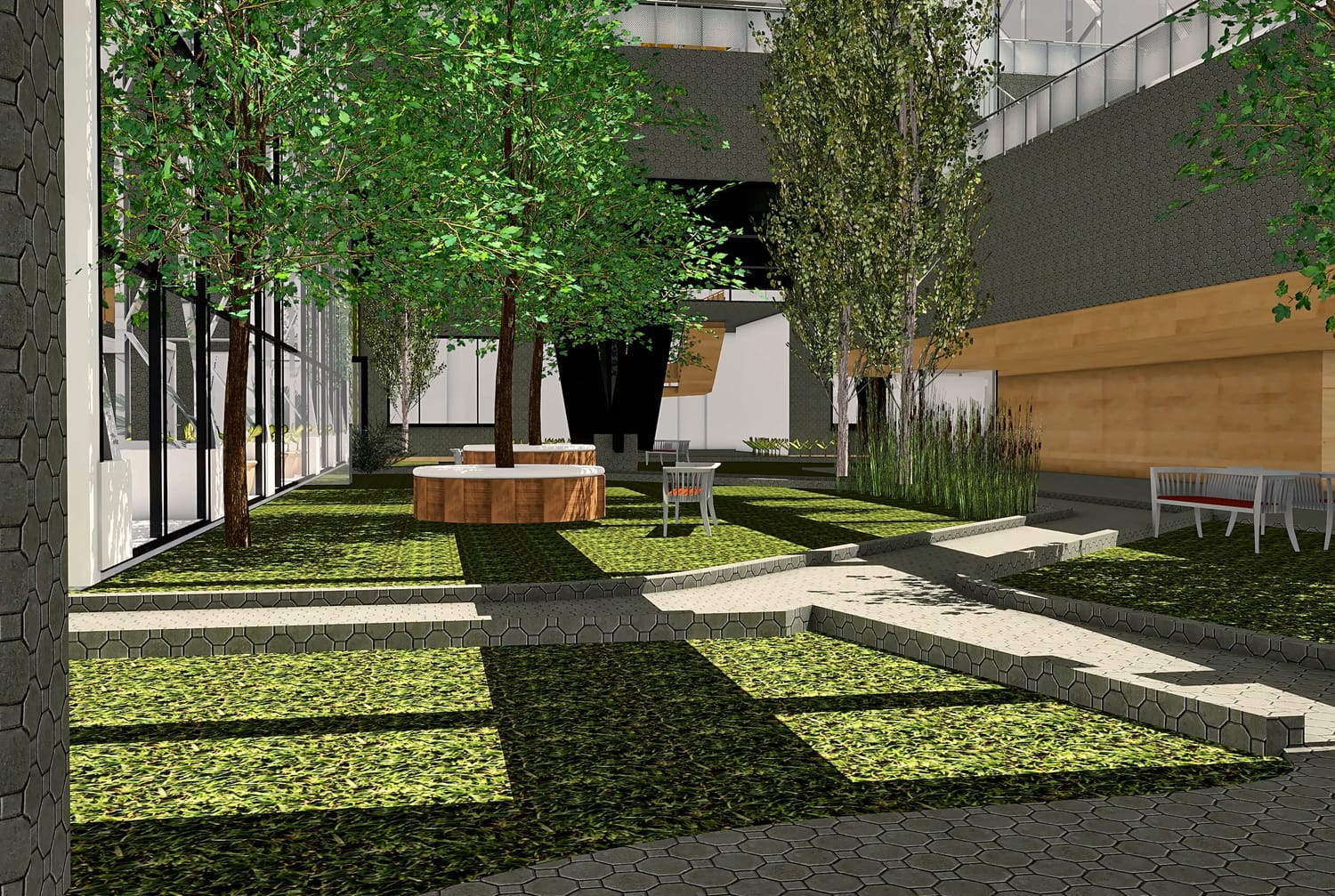
Ground Level View of Circulation Space
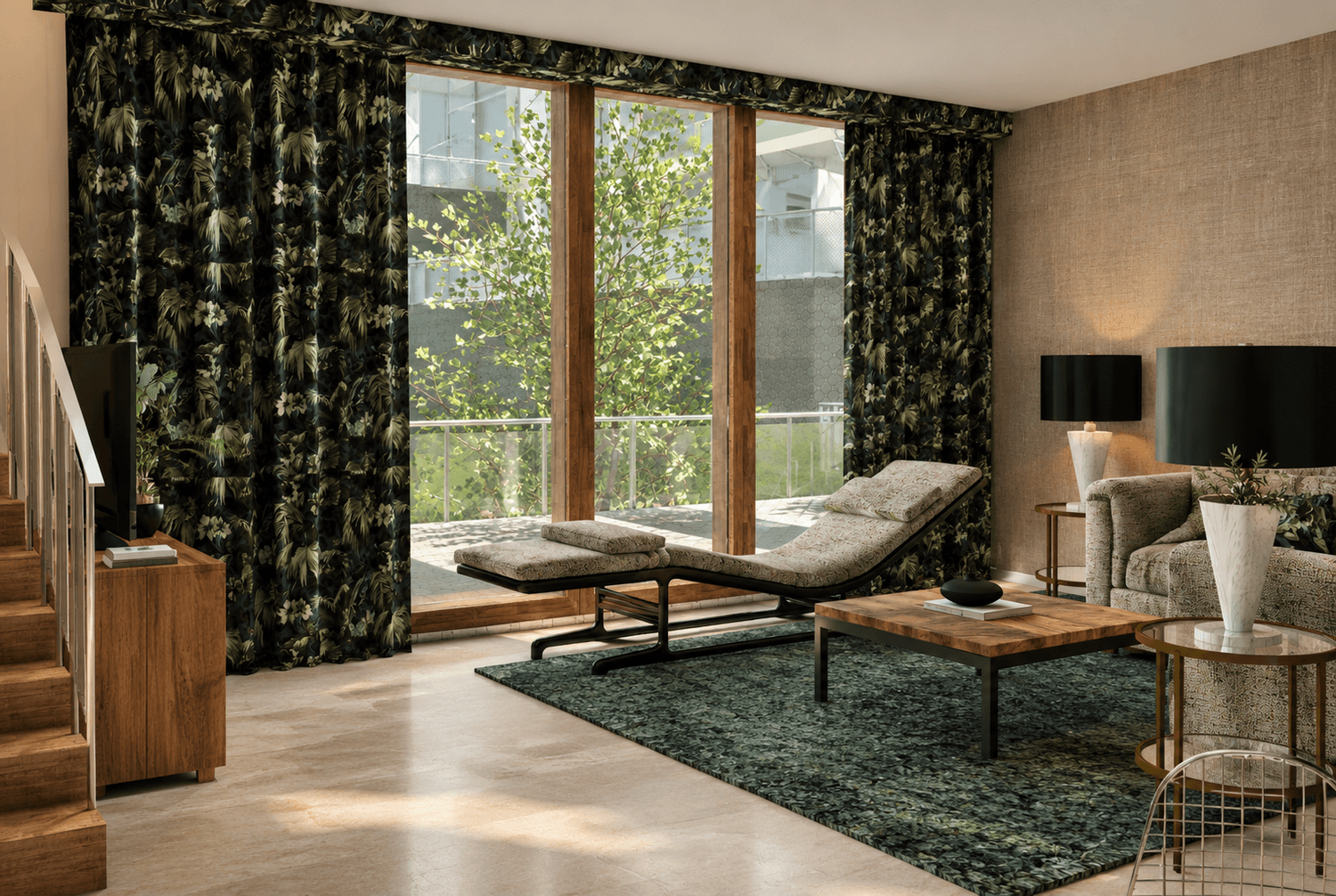
Sample Residential Space
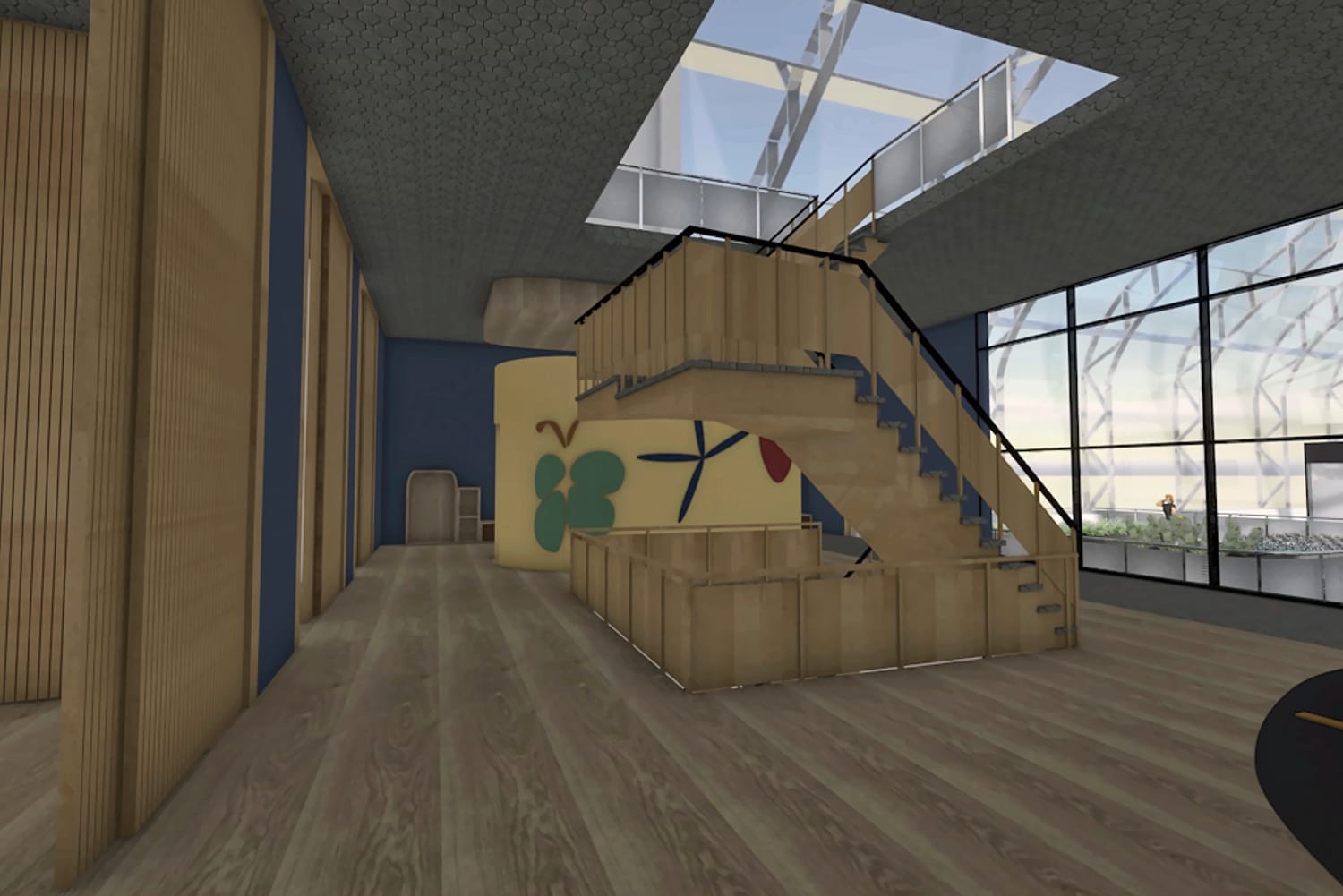
School Section Circulation Space
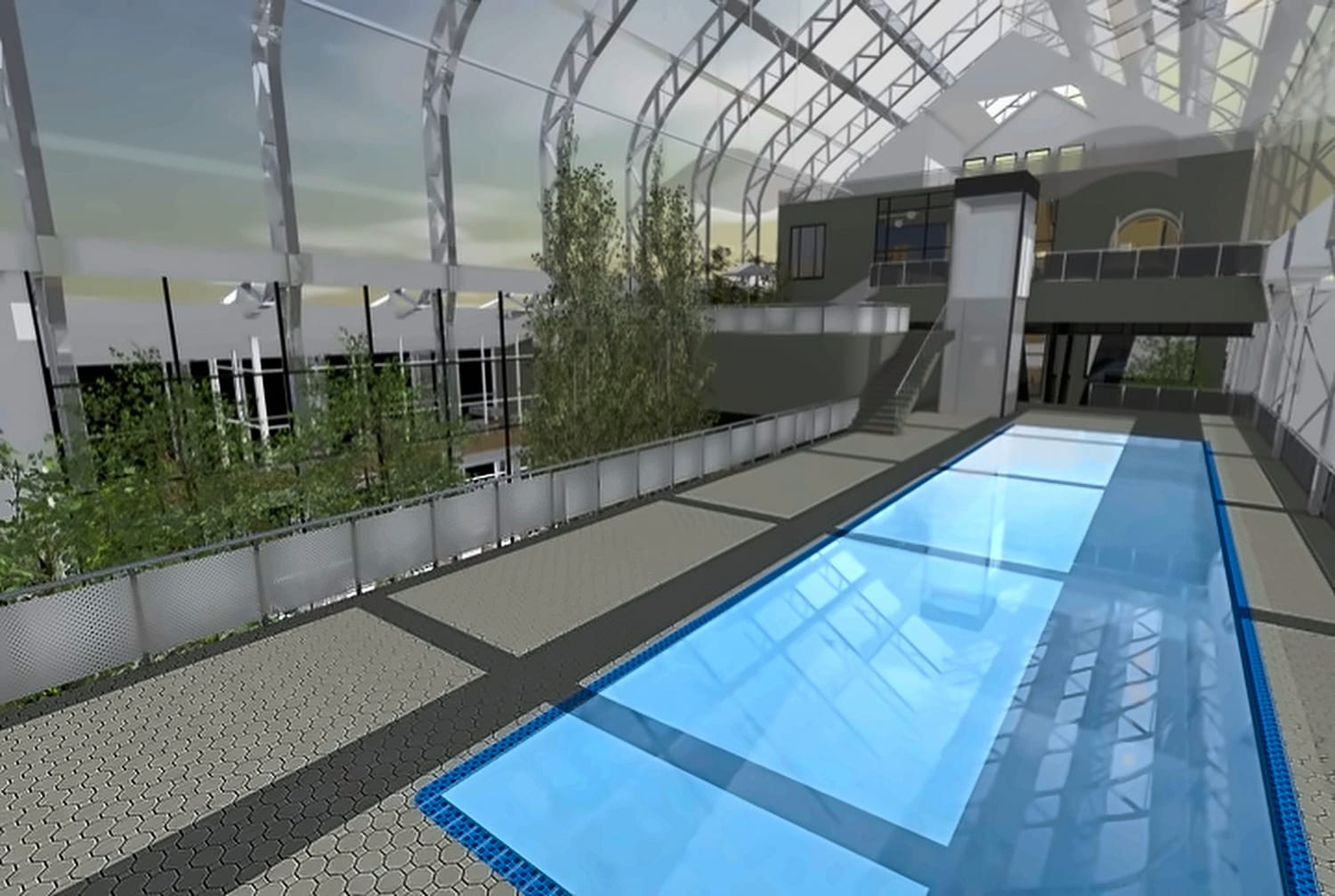
Suspended Pool
Built with systeme.io