

The Hidden Architecture of Thought
Do you recognise the experience of entering a space and immediately feeling a sense of clarity & purpose, elevated energy, or profound calm?
Alternatively, have you encountered environments that diminish focus or impede personal growth & development?
Beyond mere aesthetics, neuroscience-driven strategies demonstrate that mindful living spaces significantly influence cognitive processes, behaviours, and mindset shifts.
Similar to how the brain utilises past experiences for predictive functions, the physical environment encodes and reinforces subconscious patterns. This predictive process underscores the interconnectedness of home & well-being, wherein the environment continuously provides signals that shape thought and behaviour.
This article explores how designing a home that feels like you can greatly enhance your mental clarity, emotional state, and identity.
In addition, it provides guidance on how to redesign your space to facilitate a journey of self-discovery during your mid-life transformation.
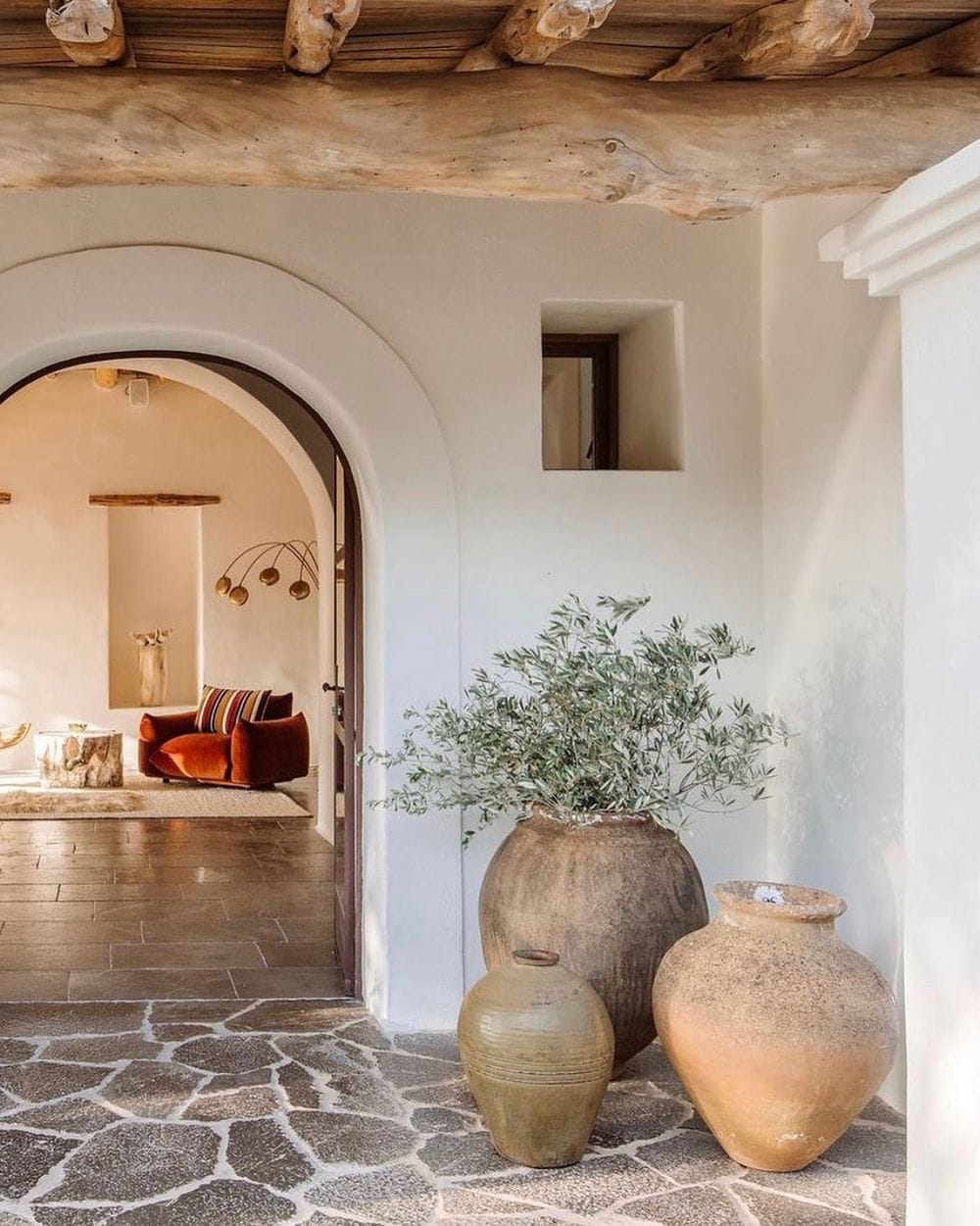
Predictive Processing: Why Your Brain Sees Space Before You Do
Neuroscientist Karl Friston’s Predictive Processing Model (2010) suggests that the brain doesn’t just passively receive information; it actively predicts what will happen next based on familiar cues.
Your environment is one of the most significant sources of these cues, shaping how your mind anticipates and reacts to the world around you.
Cluttered spaces cause cognitive overload, making it harder to focus and process new information.
Dimly lit or stagnant environments will reinforce patterns of low motivation and mental fatigue.
Outdated spaces reflect past versions of yourself and keep you locked in outdated mindsets.
Just as your brain prunes old neural pathways to make room for new learning, your home can either reinforce your past or signal a shift toward your future.
Memory Imprints in Space: Why You Feel Emotionally Tied to Your Home
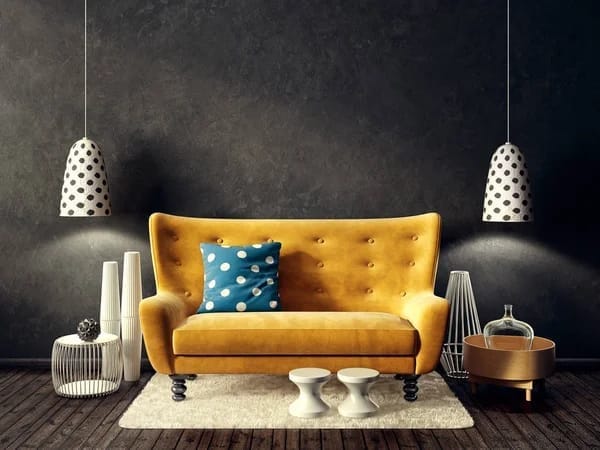
Your home is a physical map of past experiences. Cognitive scientists refer to this as place memory—the way environments encode emotions and associations that influence your state of mind.
A study by Pallasmaa (2005) highlights how sensory-rich environments store emotional imprints, meaning that certain spaces trigger deep-seated feelings without conscious awareness.
A chair where difficult conversations occurred may subtly evoke tension every time you pass by it.
A bedroom decorated years ago may still carry the energy of an older version of yourself, making it harder to step into a new phase of life.
Even objects—old books, photographs, or inherited furniture—can tether you to emotional states you’ve already outgrown.
If a space no longer reflects your current identity, it may be reinforcing outdated thought patterns instead of supporting who you are becoming.
Cognitive Load & Poor Spatial Sequencing: The Hidden Friction in Your Home
If you experience mental fatigue when performing routine tasks, such as preparing beverages or locating documents within your workspace, there is a reason for that.
Cognitive Load Theory (Sweller, 1988)explains that when an environment creates unnecessary decision-making friction, it increases mental fatigue.
Poor spatial sequencing—where objects and layouts force extra steps or inefficiencies—creates an invisible burden on the brain, reducing energy for higher-level thinking.
🔹 Try this: Walk through your home as if you were seeing it for the first time. Identify areas that require unnecessary effort—whether it’s a cluttered entryway, a disorganised workspace, or a kitchen that doesn’t flow naturally.
Small adjustments to layout, visibility, and accessibility can drastically reduce subconscious stress.
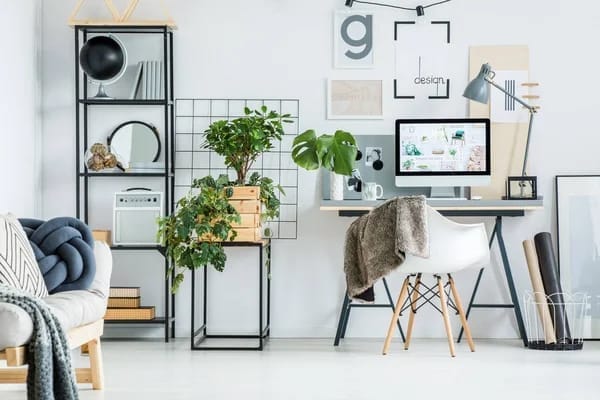
The Spatial Disruption Method: Rewiring Thought Patterns Through Environment
If your thoughts follow your environment, then deliberate spatial changes can disrupt outdated mental loops.
Neuroplasticity research by Doidge:The Brain That Changes Itself confirms that the brain thrives on novelty—it forms new neural pathways when presented with fresh stimuli.
🔹 How to Break Thought Loops with Design:
Reposition key objects: Move an often-used item (e.g., your desk chair, a piece of art, a plant) to a completely different location to shift subconscious associations.
Declutter strategically: Removing just one object tied to an outdated memory can free up cognitive space for new perspectives.
Introduce intentional novelty: Even a small change, like a new scent or texture, can trigger fresh neural pathways and inspire new ways of thinking
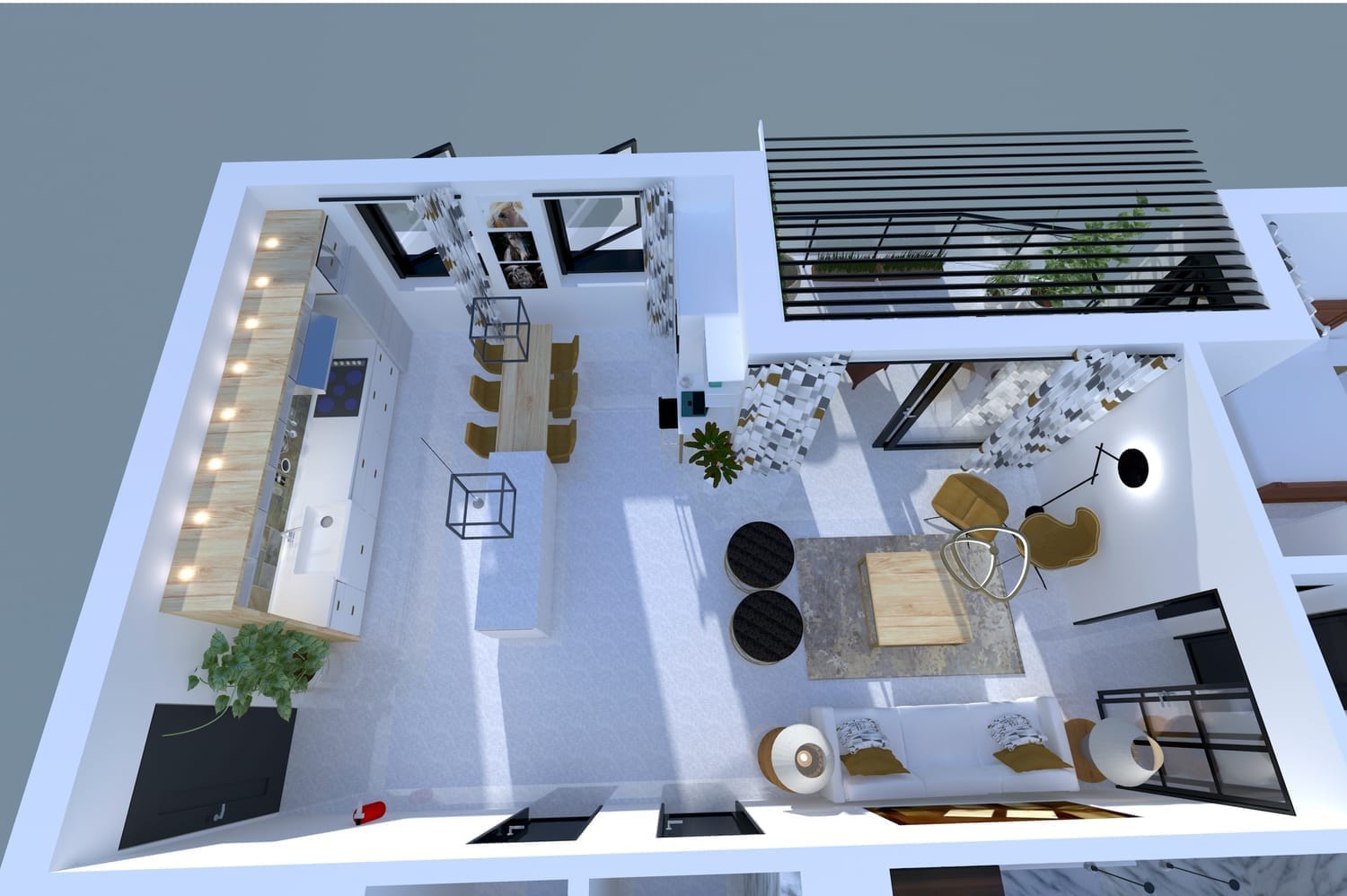
Rebuilding Your Cognitive Map: Designing for the Person You Are Becoming
Your home should evolve as you do.
If your space still reflects who you were years ago, it’s likely reinforcing past patterns rather than supporting growth.
In Space and Place: The Perspective of Experience by Yi-Fu Tuan (1977) he describes this as self-concept reinforcement in spatial design—how our environments either validate old identities or open pathways for transformation.
🔹 Try this: Choose one space and design it with the next version of yourself in mind. It doesn’t have to be a full renovation—sometimes, shifting just one key element signals an internal shift.
If you’re stepping into confidence, does your home reflect clarity and strength?
If you’re prioritising calm, does your space encourage restoration and ease?
If you’re reinventing yourself, does your home provide room for that evolution?
Your environment is never neutral. It is constantly shaping how you think, feel, and move through life.
The question is—is your space supporting your evolution or subtly holding you in place?
Reconfiguring your home to align with who you are becoming doesn’t require drastic changes. It starts with awareness—recognising the invisible architecture of thought within your space and making micro-adjustments that rewire both your surroundings and your mind.
🔹 Reflection Prompt: If your future self walked into your home today, what’s the first thing they would change?
If you're ready to design a space that works with your mind rather than against it, exploreThe Perimenopause Playbook for science-backed strategies to transform your home into an ally for reinvention.
SHARE




POST CATEGORY