

Designing for Connection: Bringing Valley Flow into Your Home
Why Your Home Shapes Your Brain
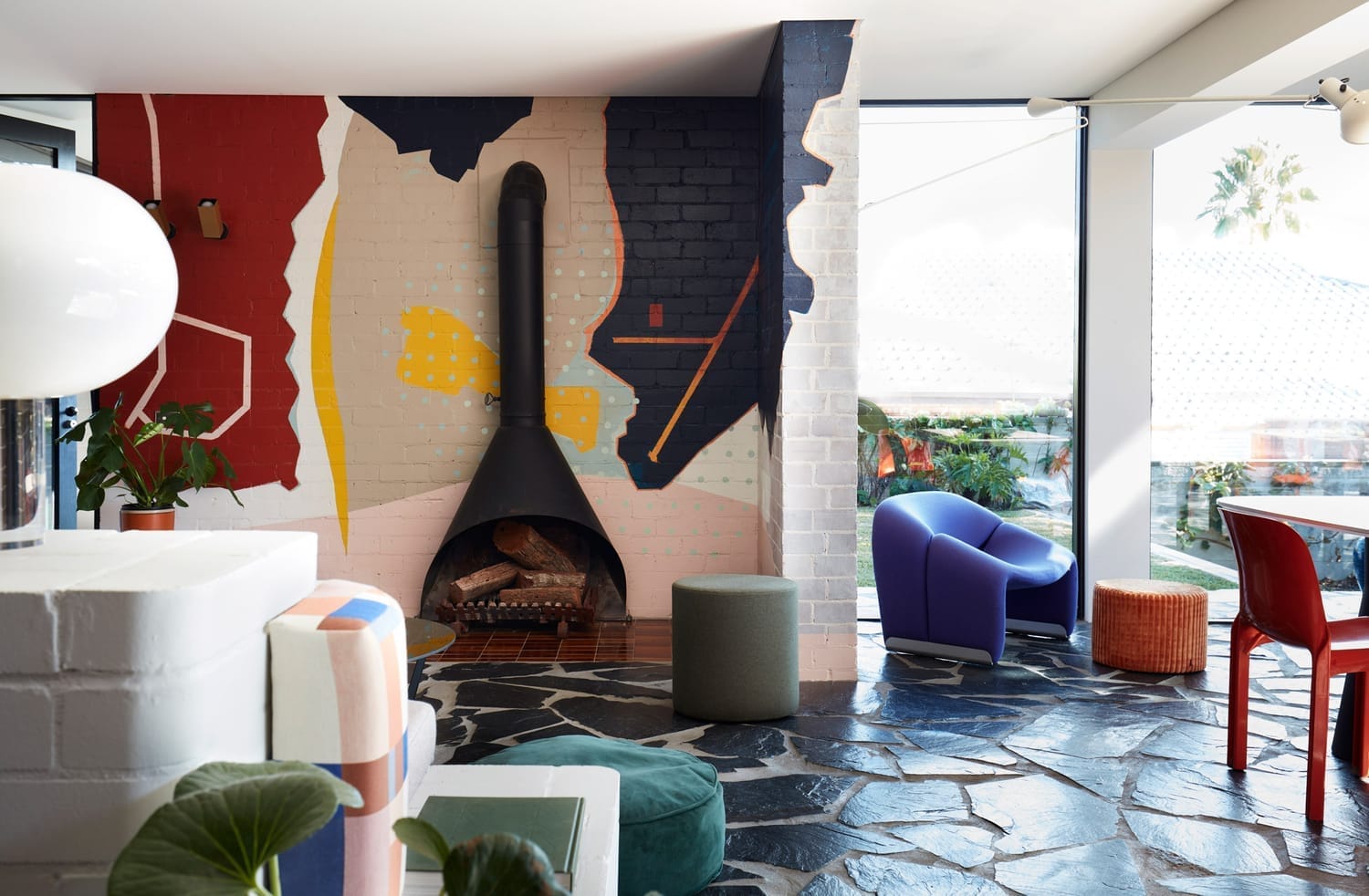
Home is a place where we go to relax and recover. It is also a space that holds energies that affect how we think, feel and regulate our nervous system. The walls, the lighting, and the way the rooms are arranged can influence how you think, your mood and even your hormones.
Modern neuroscience calls this environmental psychology. Esoteric traditions call this Human Design. If you look into feng shui, Vastu shastra, or traditional housing patterns, you'll see that our ancestors knew this long before we had fMRI machines to prove it.
The truth is simple: the way your home is designed has a direct impact on your cognitive health. And if you're a Valley type, connection and flow are not things you can do without.
The subcortical regions of our brain, especially the amygdala, basal ganglia and hypothalamus, respond quickly to our environment.
We don’t analyse space. We feel it.
Valley vs Mountain: A Human Design Window
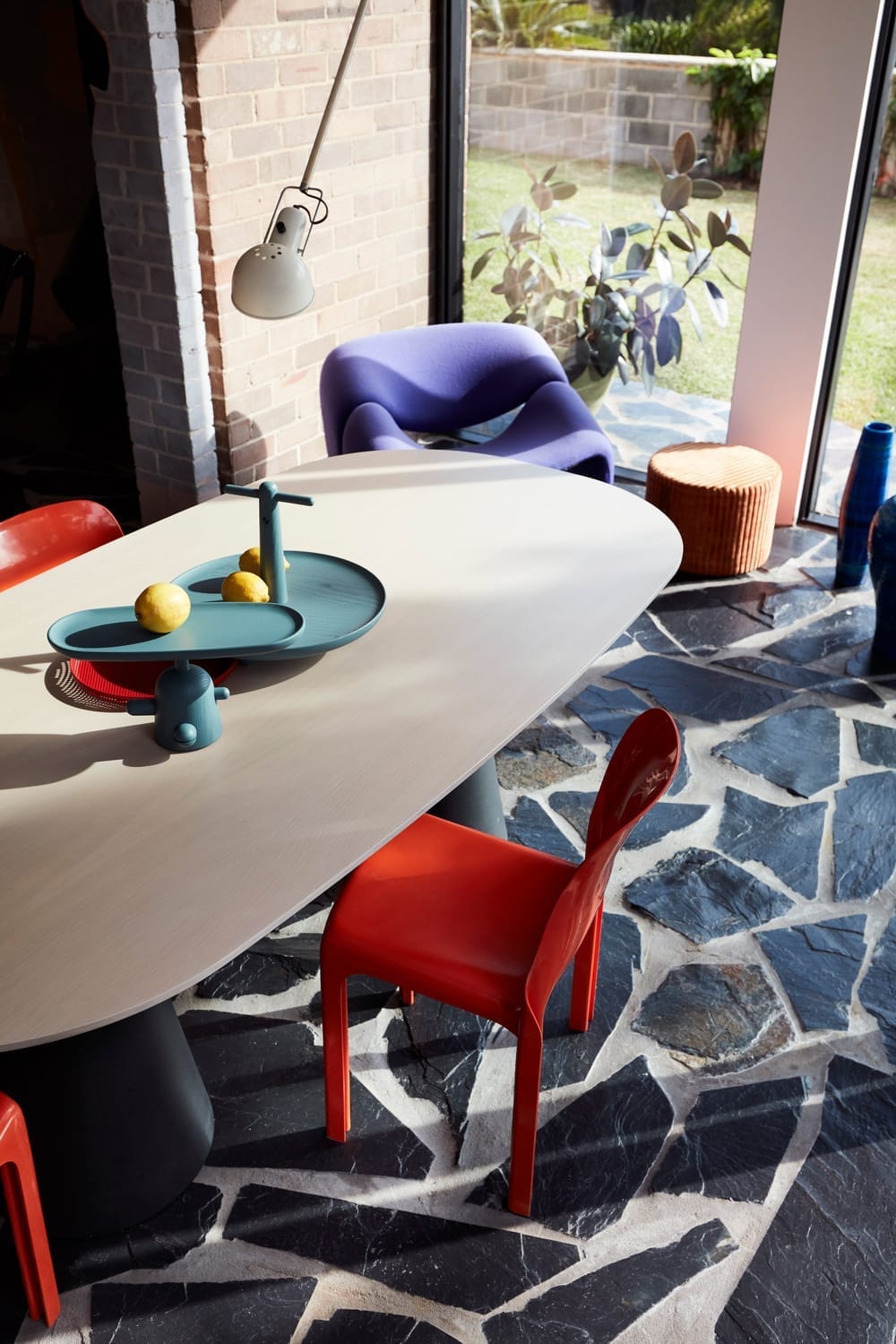
Last week, we explored the Mountain type. This week, we are exploring the Valley type. At the end of the Human Design series, there will be a masterclass that shows you how to use your Human Design/ Sensory type in practical contexts in your home. Today, we are comparing the first two.
Human Design suggests that some people (Valley types) thrive on stimulation—movement, conversation, the hum of background life. Others (Mountain types) require quiet, solitude, and altitude to recharge.
What fascinates me is how closely this maps onto what neuroscience shows:
Valley types → Brains respond well to moderate stimulation (social contact, ambient noise, shared spaces). Dopamine systems fire in response to novelty and connection. In the Dunn's Sensory Processing Model, you are in the Low Registration (High threshold + passive response) category.
Mountain types → Brains need low sensory input to regulate. Too much stimulation increases cortisol and fragments working memory. In Neuropsychology, you are in the Sensory Sensitivity (Low threshold + passive response) category.
Both are valid. Neither is better. So in essence, designing your home to cater to one extreme or the other misses the point: your wiring matters.
Valleys Types are about immersing themselves in the bustle to feel centred.
Neuroscience of Connection and Flow
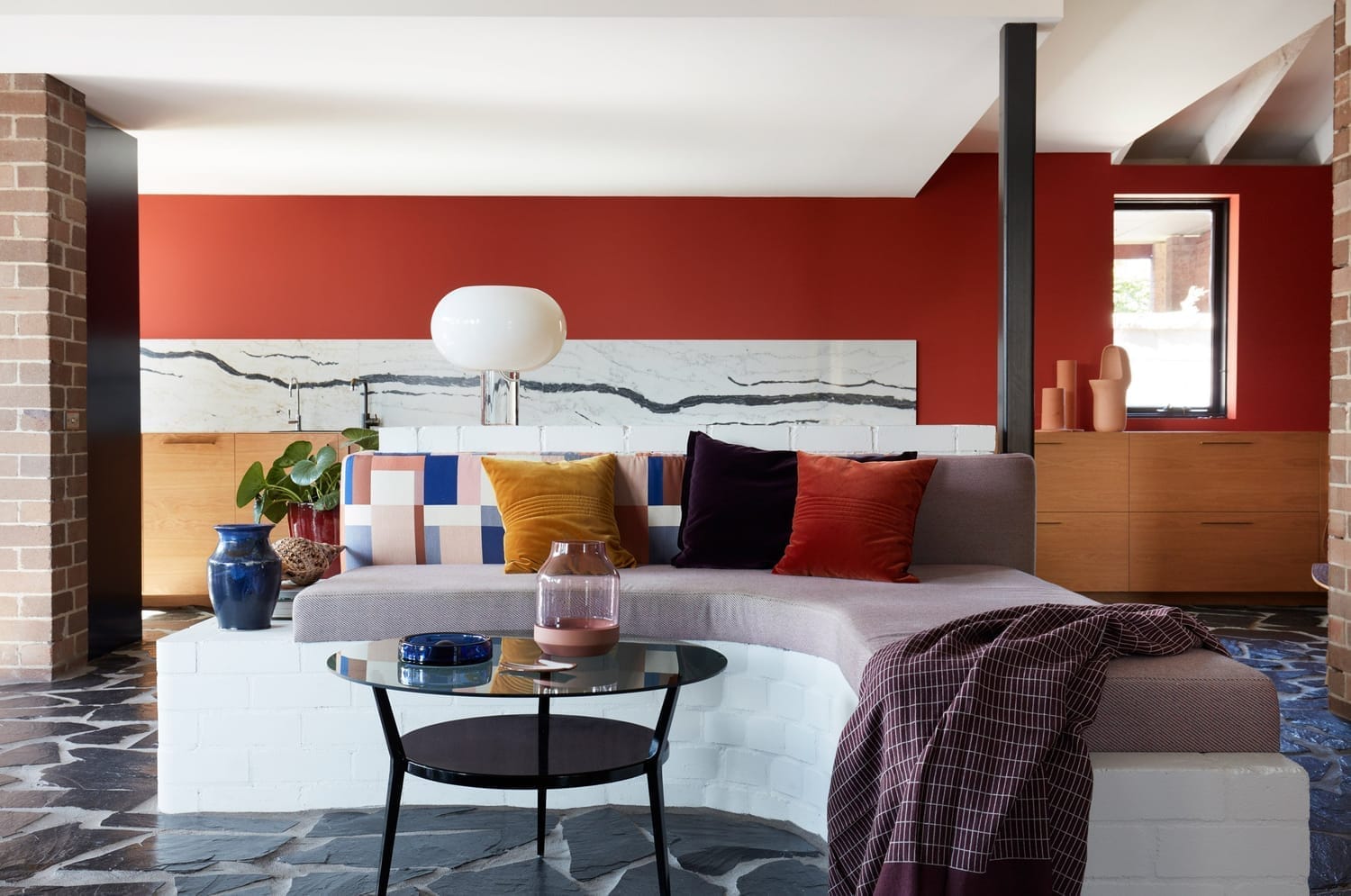
Chronic loneliness is associated with higher inflammation, disrupted sleep, and faster cognitive decline.
- Cacioppo (2015)
The past two decades of neuroscience research have uncovered just how social and context-sensitive the human brain really is. For your Valley type:
Social baseline theory (Coan, 2006) shows that simply perceiving others around you reduces the brain’s energy load. The presence of others literally lowers the metabolic cost of self-regulation.
Oxytocin studies (Heinrichs, 2003) reveal that positive social contact buffers cortisol release, reducing stress and improving memory consolidation.
Ambient noise experiments (Mehta, Zhu & Cheema, 2012) demonstrated that moderate background noise (like a café) can enhance creative cognition by nudging the brain into a “sweet spot” of stimulation.
Isolation and cognition research (Cacioppo, 2015) confirms that chronic loneliness is associated with higher inflammation, disrupted sleep, and faster cognitive decline.
There is a lot of nuance to the human brain and our DNA expressions. This is why it is important to deeply understand these as they pertain to you, the individual, to start creating a home environment that truly supports you.
The Valley archetype mirrors the neuroscience of co-regulation: more conversation, more sensory engagement, and more opportunity for collective flow.
Ancient Traditions That Already Understood
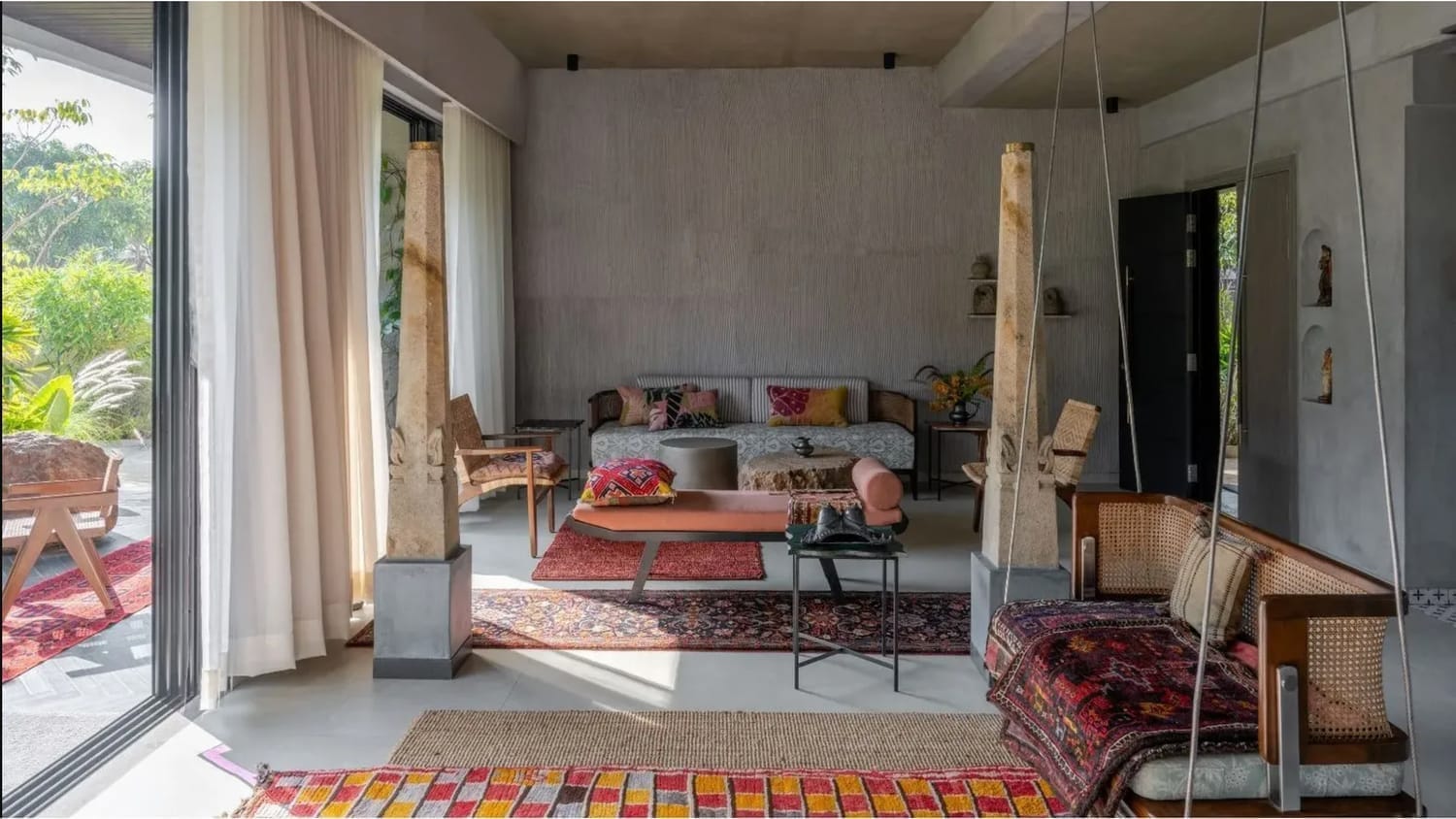
Before we had MRIs, cultures had observation. And across continents, ancestral traditions emphasised design for connection:
Feng Shui (China): Fens Shui prioritised clear walkways, open sightlines, and gathering points near the home’s center were seen as critical for harmony and vitality. Today, we know through empirical data that clutter increases amygdala activity and stress levels (Saxbe & Repetti, 2010).
Vastu Shastra (India): In Vastu Shastra, traditional homes often included courtyards or central points of flow where energy (and people) could circulate. Modern neuroscience would say these spaces support co-regulation and collective rhythm.
Indigenous dwellings: Many Native American, African, and Pacific Islander communities designed around fire pits or communal gathering zones. These acted as literal and symbolic centers, reinforcing safety, storytelling, and social bonding—processes now understood to enhance oxytocin release and memory consolidation.
What our ancestors knew intuitively, neuroscience is only beginning to measure: connection sustains cognitive health.
Valley Flow in Midlife: Why It Matters Now
For women in peri- and post-menopause, connection isn’t just a nice-to-have—it’s neuroprotective.
Estrogen decline alters the regulation of dopamine and serotonin, making midlife brains more sensitive to stress and social disconnection (Brinton, 2008).
Cortisol regulation becomes more fragile, making environments that buffer stress critical.
Cognitive resilience is supported by environments that balance stimulation with safety. In other words, the right Valley flow can literally protect your brain against brain fog, forgetfulness, and emotional instability.
Practical Ways to Bring Valley Flow Into Your Home
Here’s how to design your home for connection and cognitive health:
1. Clear Your Walkways
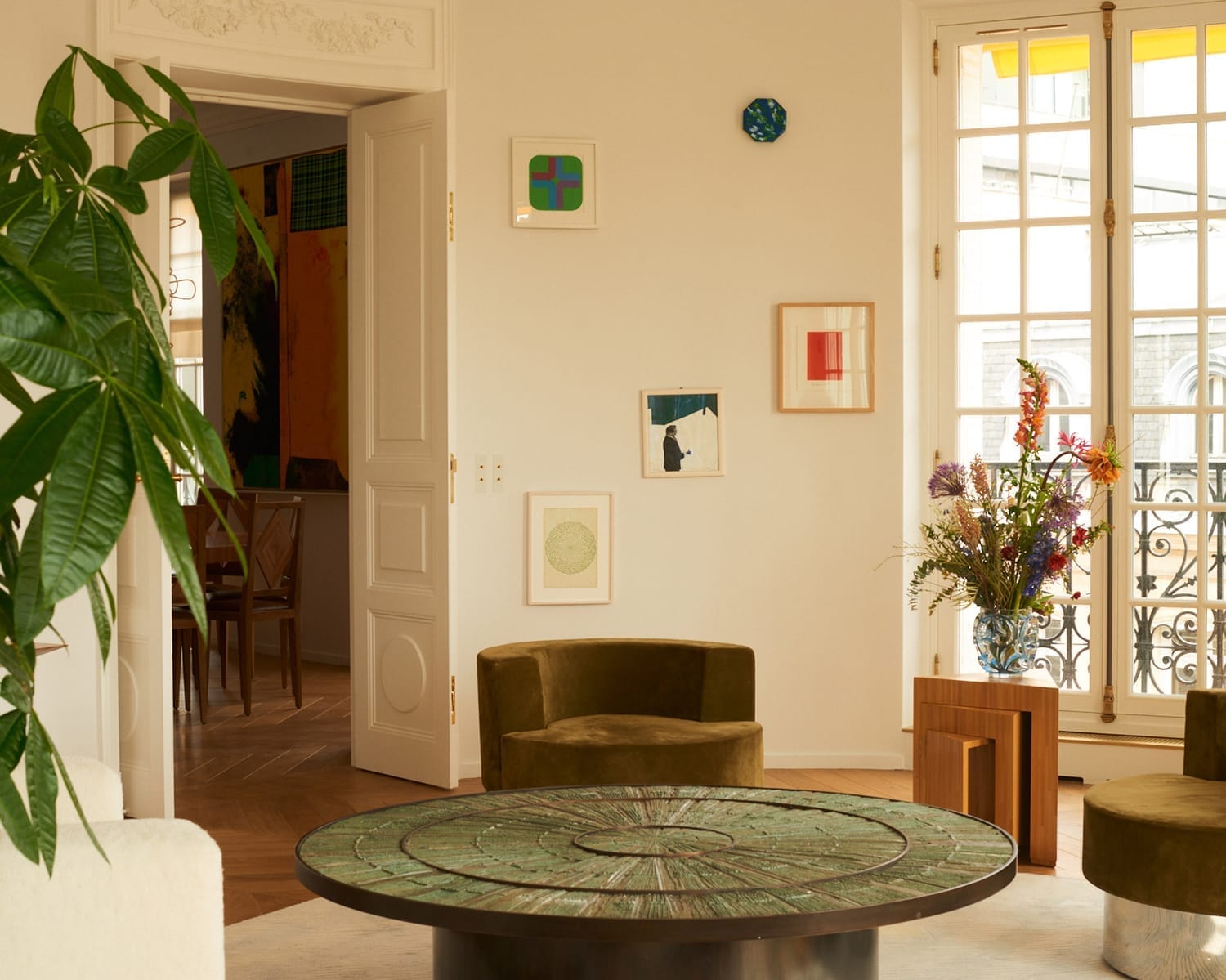
Uncluttered walkways don’t just look good—they reduce micro-stress.
Neuroscience shows clutter increases amygdala activation and cortisol (Saxbe, 2010).
Free pathways encourage both movement and mental clarity.
2. Create Sightlines Between Rooms
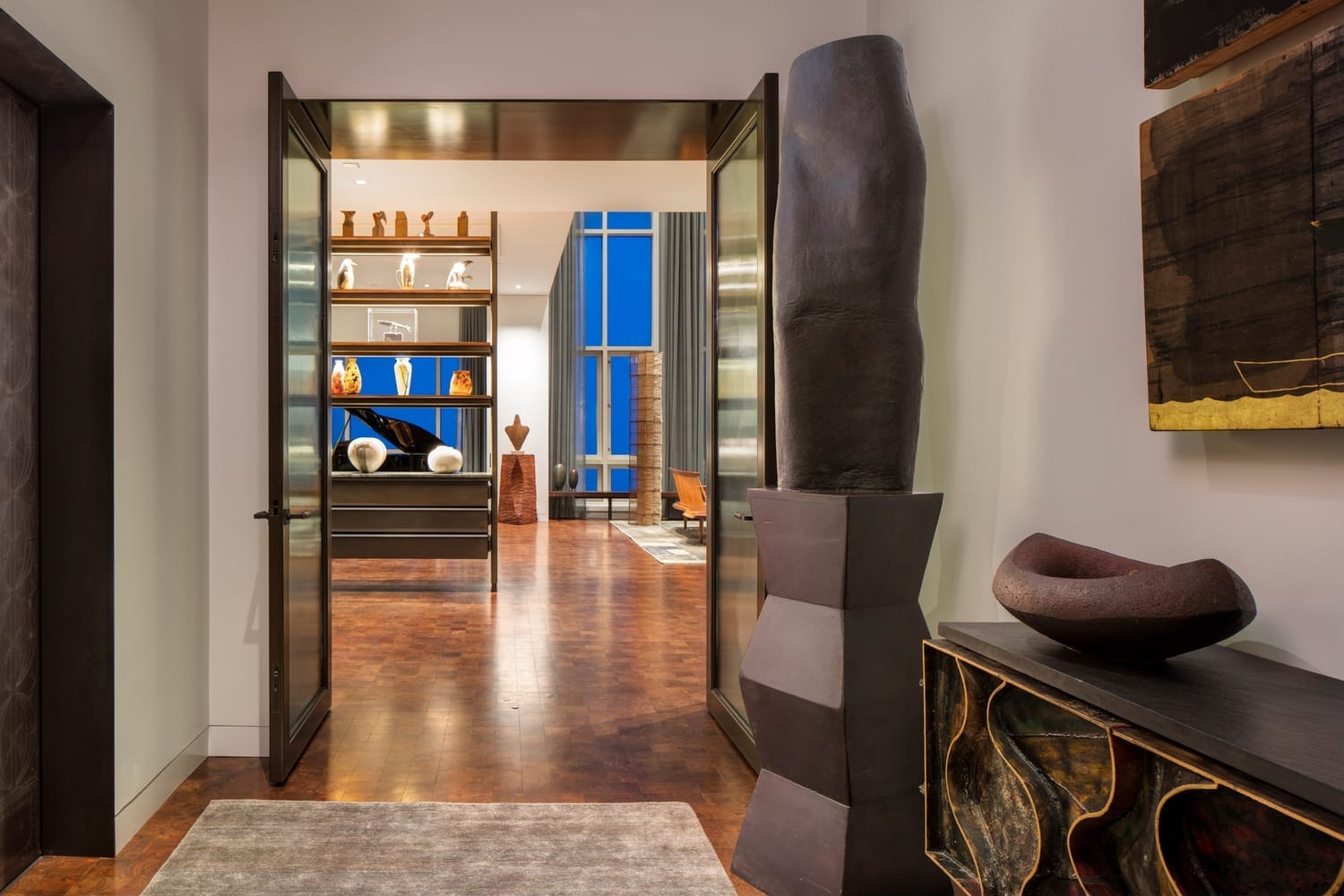
When your eye can travel, your nervous system relaxes.
Open sightlines mimic social openness: subconsciously reminding the brain of connection potential.
3. Design Around a Central Flow Point
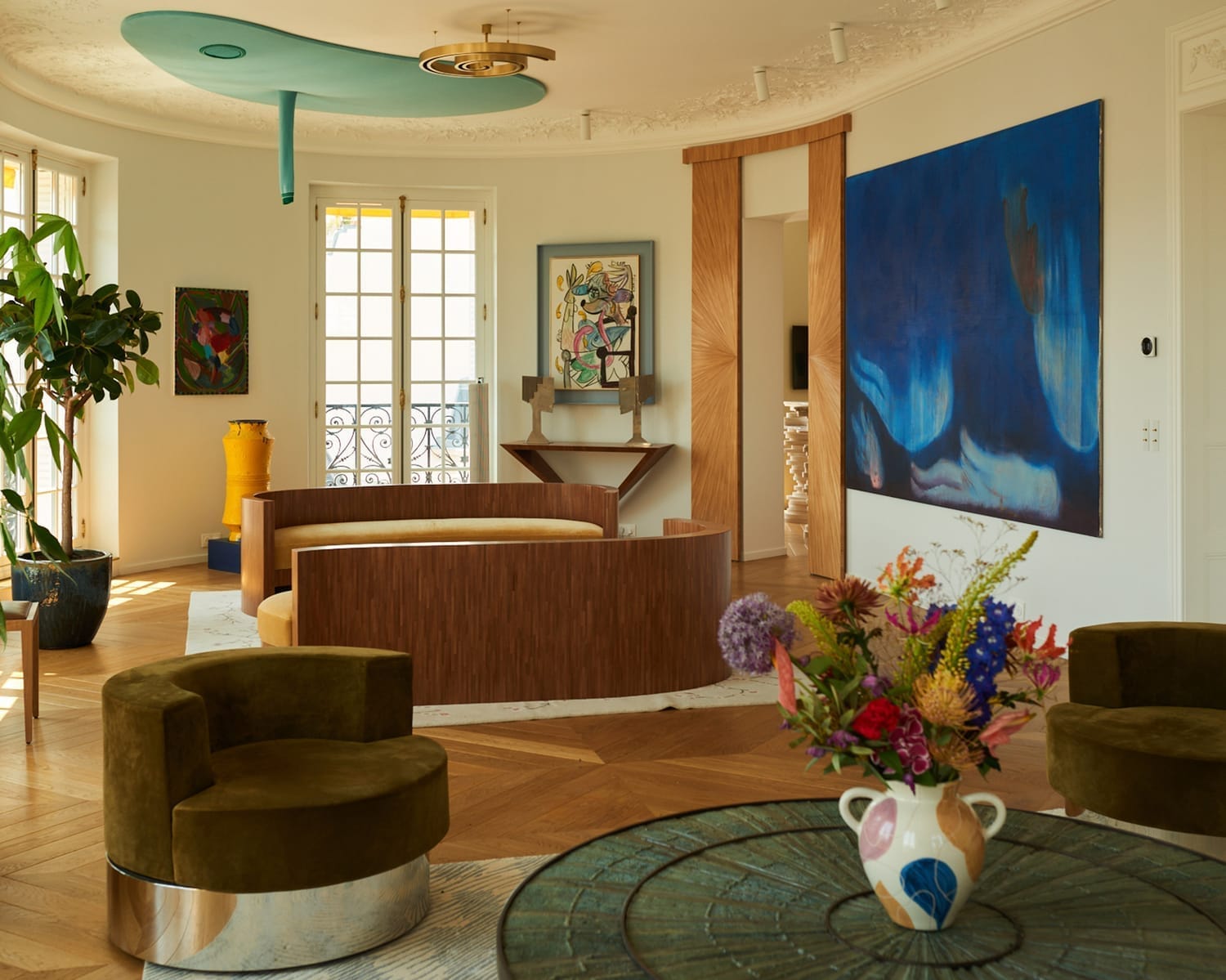
Choose one anchor: a dining table, kitchen island, or sofa.
Make it visible, accessible, and inviting.
Research on shared attention shows that people bond and regulate better when oriented toward a common focal point (Tomasello, 2005).
4. Layer Ambient Cues
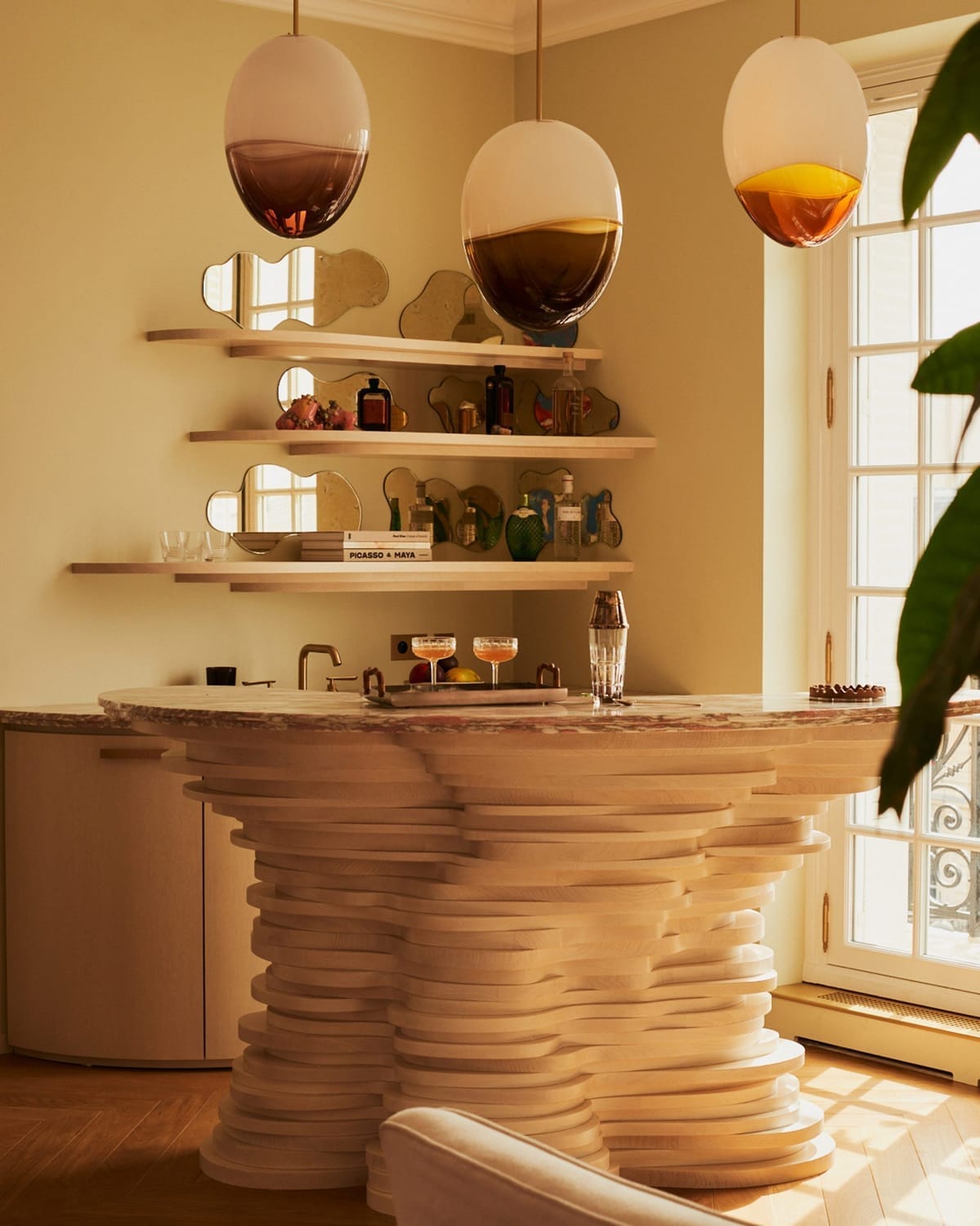
Valley types thrive on subtle stimulation. Add music, background hum, or conversational seating.
This simulates the “marketplace” environment that lights up dopamine and attention.
5. Borrow From Nature
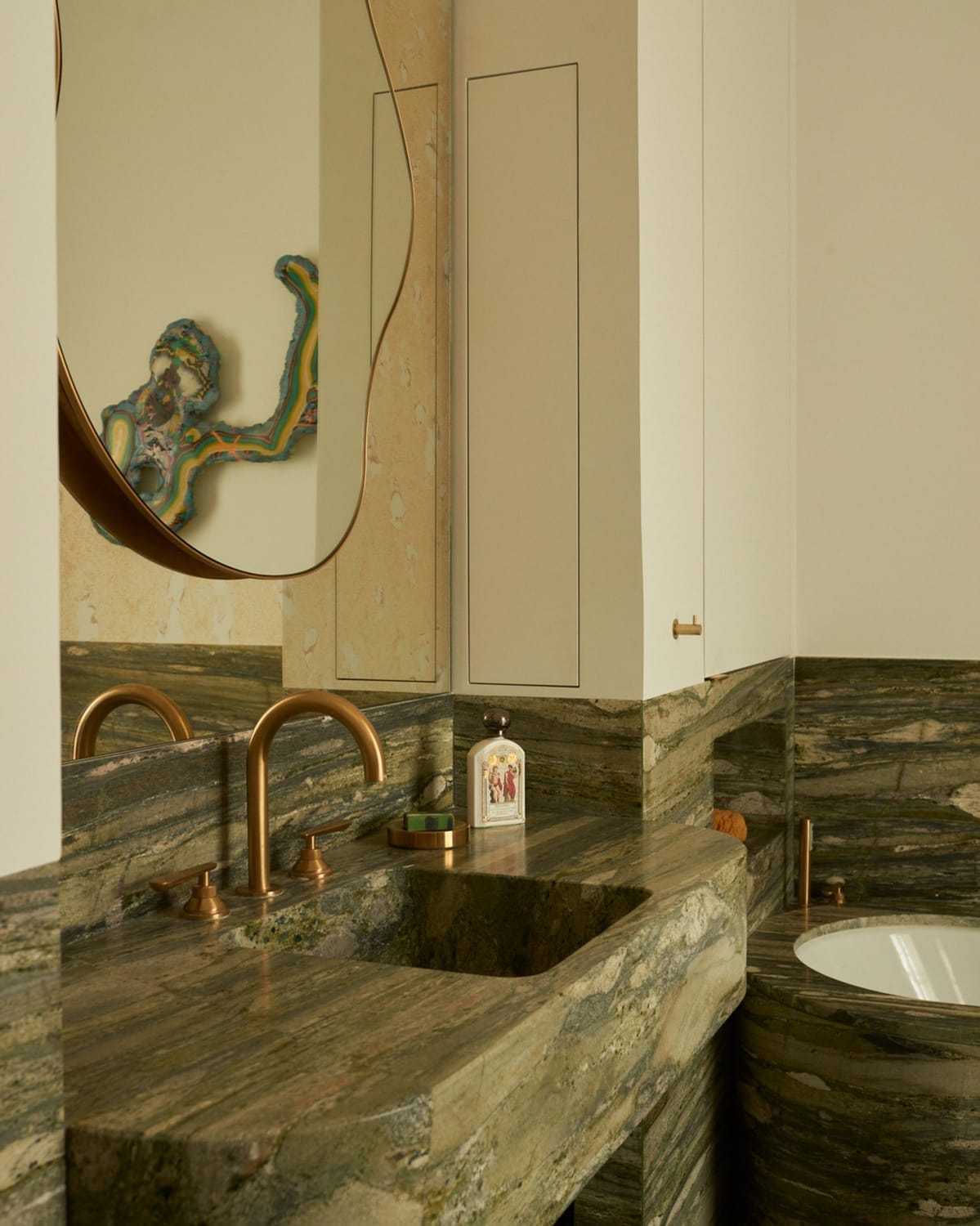
Indigenous design often mirrored natural rhythms—gathering in valleys, opening homes to breezes, using firelight for evening regulation.
Recreate this by varying sensory intensity: bright mornings, soft evenings, communal flow at the heart.
The Neuropsychology Takeaway
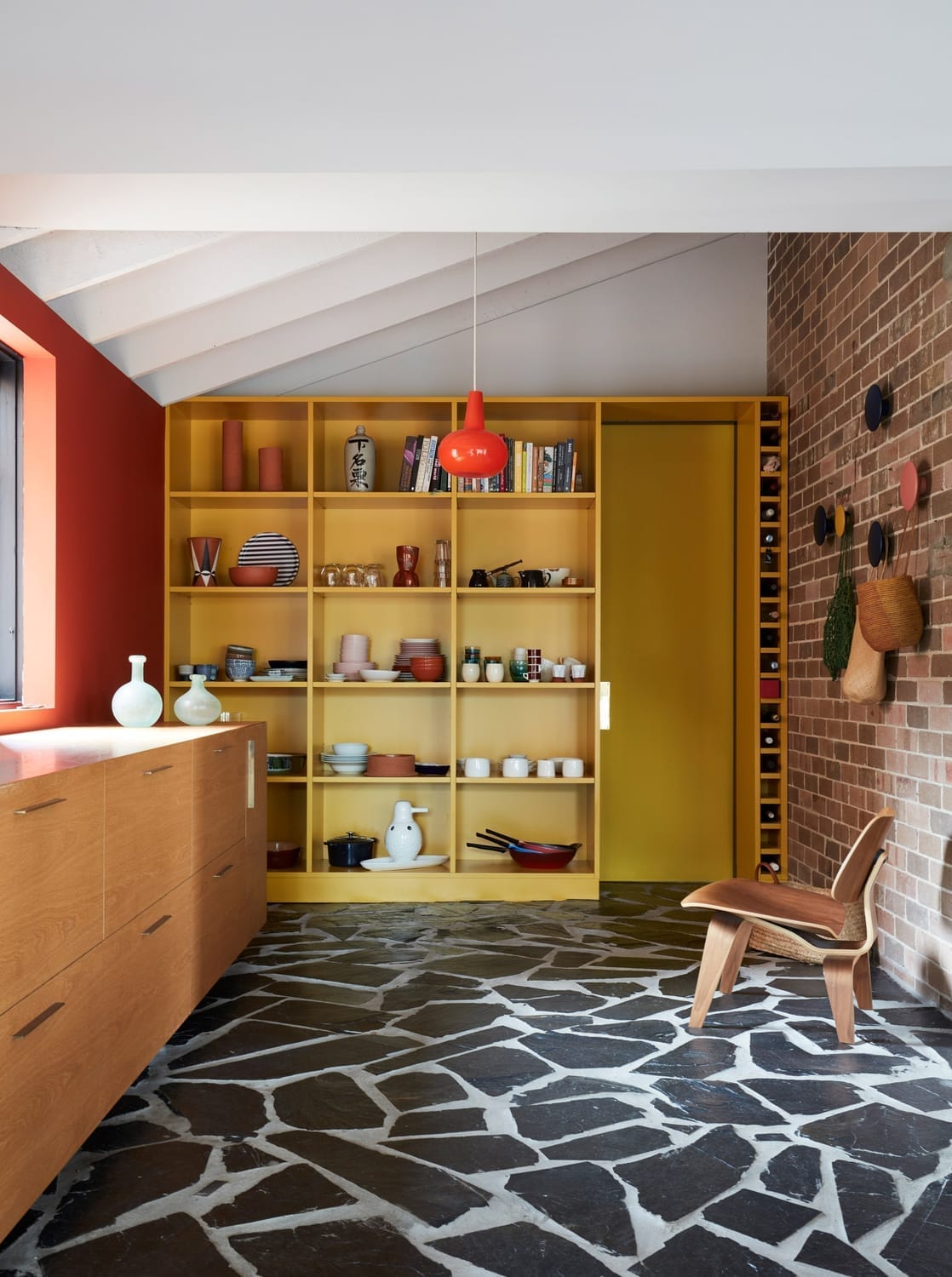
“Sensory experiences that appear ‘mild’ or ‘normal’ can have cumulative effects on the nervous system, especially when they disrupt circadian rhythms or sensory harmony.”
— Environmental Psychology Handbook, 2nd Edition (Gifford, 2014)
Your home is not just an aesthetic container. It’s a cognitive ecosystem.
For Valley types, connection cues boost dopamine, oxytocin, and working memory.
For Mountain types, solitude cues lower cortisol and restores balance.
For midlife women, especially, honouring these needs is a form of cognitive self-care as powerful as nutrition or exercise.
The esoteric traditions weren’t guessing—they were observing. Neuroscience is finally catching up.
A Home That Works With You
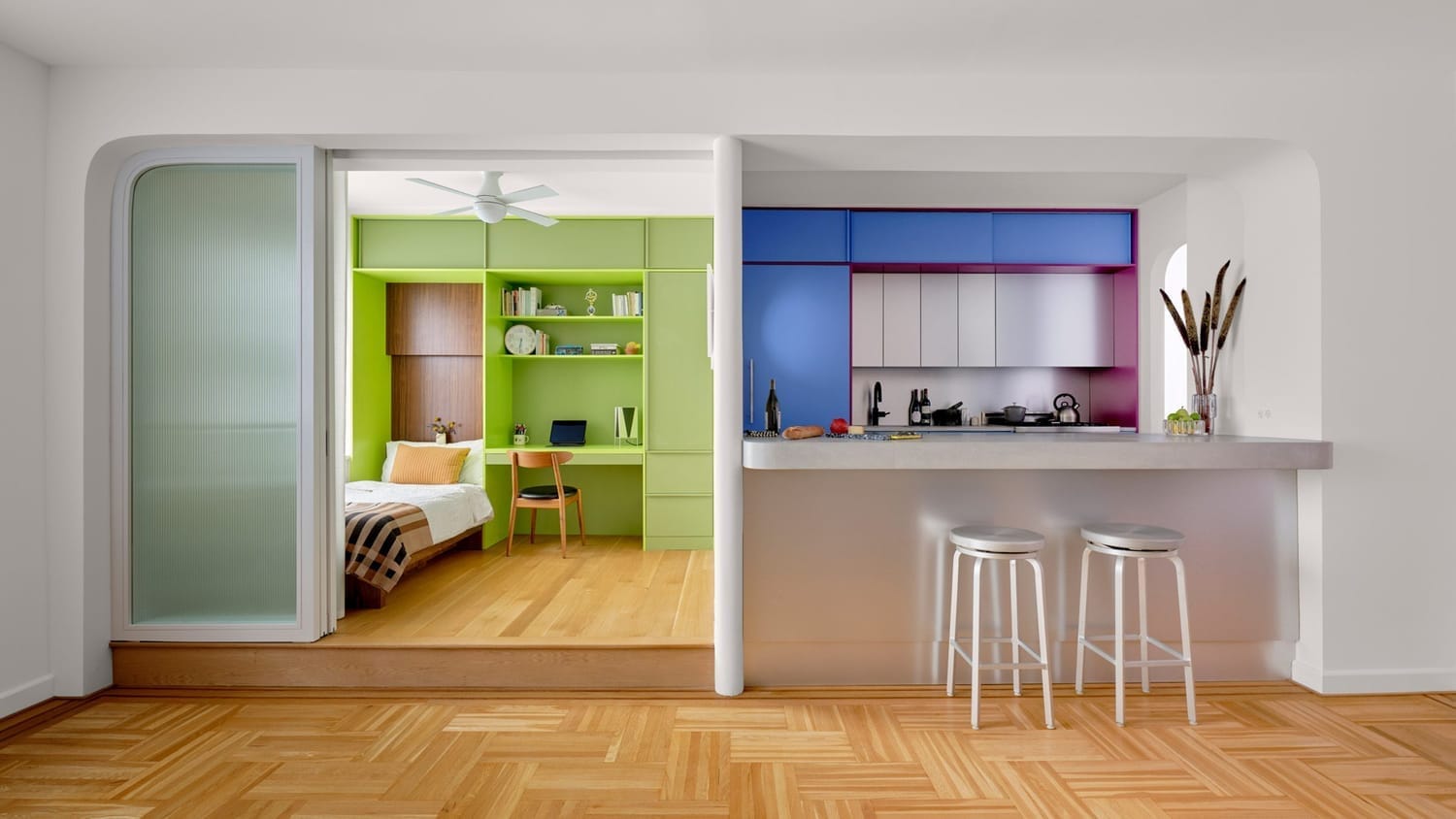
Designing your home for connection isn’t about following trends. It’s about tuning your environment to your biology and your lineage.
If you’re a Valley type, embrace flow: clear pathways, central gathering spots, layered ambient cues. Your home should energise you, not drain you.
When you design for connection, you’re not just making your space more beautiful—you’re literally safeguarding your brain.
References
Take Action Today
If you are ready to translate these insights into tangible changes in your own home, here are the pathways I offer:
Understand Your Sensory Architecture First
Before any design decision is made, your nervous system's relationship with your environment needs to be decoded.
The Sensory Intelligence Diagnostic is where that begins.
It is not a questionnaire or a moodboard exercise. It is a neuro-architectural assessment that maps your sensory thresholds, identifies the friction zones inside your current home, and produces a precise written report that can be taken directly to your interior designer, architect, or used as the foundation for your own implementation.
Without this baseline, design decisions remain aesthetic speculation. With it, they become neurophysiological calibration.
Request the Sensory Intelligence Diagnostic →
Go Deeper at Your Own Pace
If you would prefer to begin exploring and implementing changes independently, the e-guides offer practical, neuropsychology-grounded strategies you can work through in your own time and at your own pace.
Track Your Environment Over Time
The Sentient Home application was built to extend this work into daily life. It tracks your nervous system's response to your home environment over time, delivers micro-adjustments to light and sound based on your live bio-rhythms, and gives you the tools to audit any space for biological safety.
It is the ongoing infrastructure for everything the Diagnostic begins.
Explore The Sentient Home Application→
When you are ready for a guided redesign of your home, i offer interior design services that is informed by our methodology, The NeuroDesign Blueprint™.
Frequently Asked Questions: The Valleys Environment
Q1: What does “Valley Flow” mean in Human Design?
In Human Design, Valley types thrive in environments with movement, conversation, and background energy. They process information best when connected to flow—whether that’s people, sounds, or visual cues. Neuroscience confirms this: moderate stimulation can boost dopamine and focus in certain brains.
Q2: How is Valley Flow connected to neuropsychology?
Research in environmental psychology shows that connection cues—like open sightlines, background chatter, and shared spaces—stimulate the brain’s reward systems. This improves attention and mood regulation, especially for those who feel under-aroused in quiet or static environments.
Q3: What practical design changes can support Valley Flow at home?
Start by:
Clearing walkways for easy movement.
Creating sightlines between rooms.
Designing around a central flow point, such as a sofa or table.
Layering gentle ambient sound (music, soft chatter) to mimic marketplace energy.
Q4: How does Valley Flow design help with midlife brain fog?
During perimenopause and postmenopause, hormonal shifts affect dopamine and cortisol regulation. Environments with stimulating but safe cues can reduce stress, lift fog, and restore focus. Valley Flow design keeps the nervous system engaged without tipping into overwhelm.
Q5: Is Valley Flow the same as being extroverted?
Not exactly. Extroversion is about personality, while Valley Flow is about environmental wiring. Introverts can also thrive in Valley-style environments if their brains regulate better with background energy.
Q6: What if my partner is a Mountain type and I’m a Valley type?
Create zoned environments. For example, keep one central space lively (kitchen or living room) for Valley flow, while designating another room as a quiet, minimal retreat for Mountain needs. Both types can coexist when spaces are intentionally differentiated.
Q7: How do ancient traditions support the idea of Valley Flow?
Feng Shui and Vastu Shastra emphasise central gathering points and clear movement paths. Indigenous communities often built homes around communal fires or courtyards. These designs match what neuroscience now proves: connection sustains cognitive health.
Q8: Can clutter really affect my brain?
Yes. Studies show clutter raises activity in the amygdala, the brain’s stress centre, and increases cortisol levels. For Valley types, clutter blocks flow; for all types, it creates cognitive noise.
SHARE




POST CATEGORY