

How Interior Design Shapes Your Brain
Your environment shapes your thinking, feelings and behaviour.
Everything in your home influences your brain activity, emotional regulation and cognitive performance.
In today's journal, i explore the link between neuroscience, psychology and interior design.
I will show you how to use your living space to enhance mental clarity, reduce stress and improve your overall well-being.
Lets get started.
The Science Behind Interior Design & Brain Function
Neuroscientists have studied for some time the way sensory stimuli affects cognitive processes.
The brain is always processing input from your surroundings. This can include light, textures, sounds and spatial layout, all sending signals that impact mood and focus, and inform physiological responses.
We are going to explore four elements of interior design and how neuroscience explains how our brain states are affected by these environmental triggers.
1. Colours and Emotional Regulation
Colours influence neural activity and hormonal balance. For example:
Blues and Greens promote relaxation and cognitive clarity by stimulating parasympathetic nervous system activity.
Warm Tones (Reds, Oranges): Increase energy levels and emotional intensity by triggering the sympathetic nervous system.
Neutral Shades provide balance, reducing cognitive overload and creating a sense of calm.

2. Lighting and Circadian Rhythms
Lighting is crucial for regulating our circadian rhythms, the natural processes that cycle between sleep and wakefulness over a 24-hour period.
Melatonin, a hormone produced by the pineal gland in the brain, signals to the body that it's time to sleep. Exposure to light, particularly blue light, influences the production of melatonin.
Blue light from screens and artificial lighting in the evening inhibits melatonin production, leading to sleep difficulties and poor sleep quality. This, in turn, affects energy levels, mood, and cognitive function the following day.
Conversely, exposure to natural light during the day regulates our internal clock, promoting alertness and energy levels.
Sunlight cues our body to be awake and active, while darkness signals it's time to wind down and prepare for sleep.
Key takeaways:
Natural Light: Enhances serotonin levels, boosting mood and productivity.
Warm, Dim Lighting: Prepares the brain for sleep by reducing cortisol.
Cool, Bright Lighting: Supports focus and alertness by mimicking daylight.

3. Spatial Layout & Cognitive Processing
The organisation of space affects mental clarity and decision-making:
Open Layouts: Encourage creative thinking and collaboration.
Defined Spaces: Support task-specific productivity by reducing distractions.
Clutter-Free Environments: Lower cortisol levels, promoting relaxation and mental clarity.

4. Textures and Tactile Stimulation
Different materials evoke different neural responses:
Soft, Plush Fabrics: Activate comfort and relaxation centres in the brain.
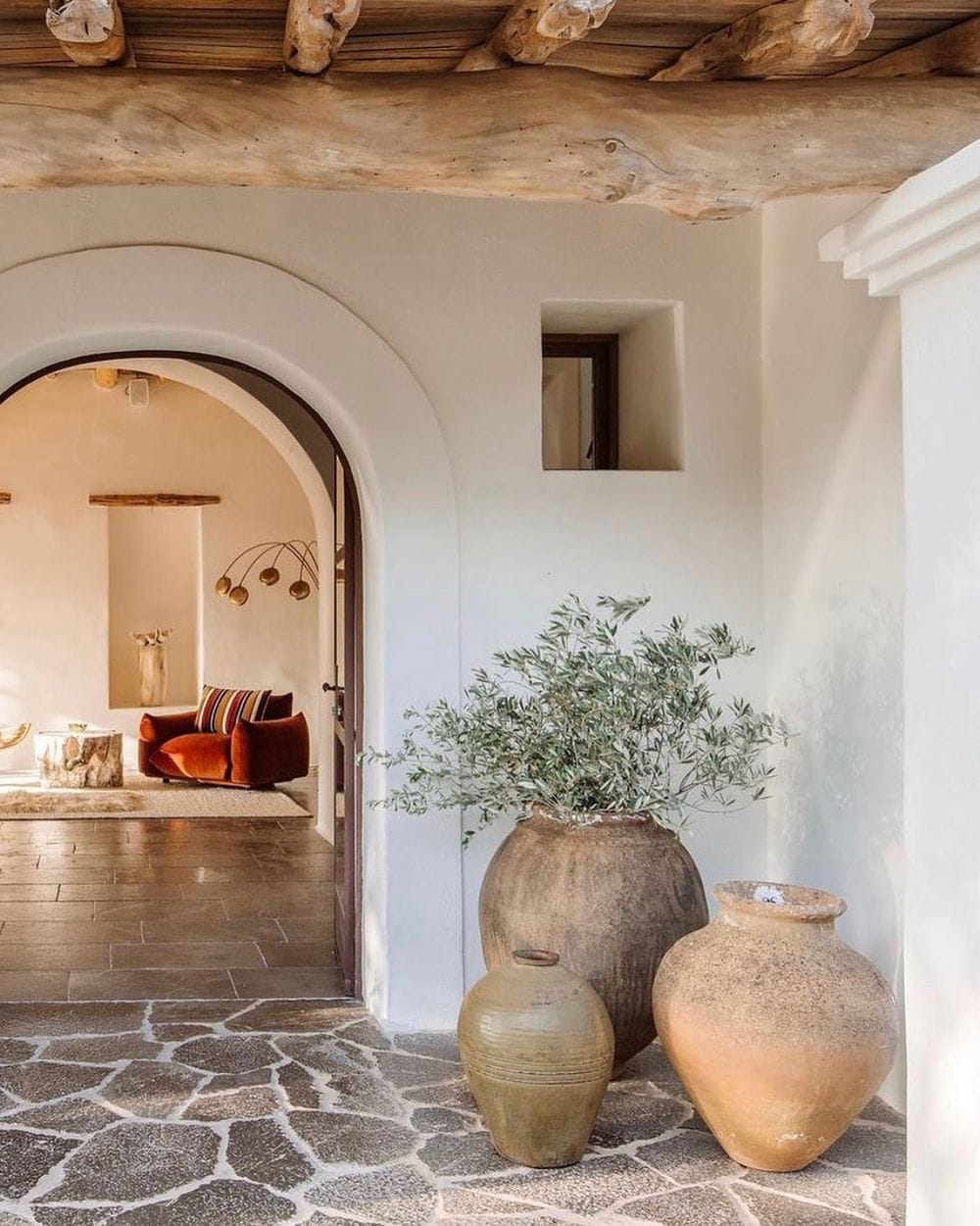
Natural Elements ( like Wood and Stone): Reduce stress by stimulating a biophilic response.
Smooth, Minimalist Surfaces: Enhance cognitive focus by minimising distractions.

Neuroaesthetics: The Practice Of Designing for Mental Well-Being
Neuroaesthetics, the study of how aesthetics impact the brain, emphasises the power of intentional design.
By curating one's space with evidence-based design principles, it is possible to enhance mental health and cognitive function.
Key Neuroaesthetic Strategies To Remember:
Incorporate Nature: Plants, organic shapes, and natural materials have been shown to lower blood pressure and improve mood.
Optimise Acoustic Environment: Soft furnishings and sound-absorbing materials have been shown to minimise stress-inducing noise.
Create Personalised Spaces: The personalisation of one's environment has been demonstrated to engender feelings of control, thereby reducing anxiety and enhancing emotional stability.
Transform Your Space, Transform Your Mind
By leveraging neuroscience-informed design, you can create a home that actively supports mental clarity, emotional regulation, and overall cognitive well-being. Thoughtful colour choices, strategic lighting, mindful spatial arrangements, and tactile elements all contribute to a more harmonious and brain-friendly living environment.
Are you ready to optimise your home for cognitive wellness?
Subscribe to our newsletter for more neuroscience-backed interior design insights!
Ready to take control of your space and well-being? Start designing a home that truly supports your cognitive and hormonal health during perimenopause and postmenopause.
SHARE




POST CATEGORY