

Sleep Is Not Linear: Reclaiming the Human Rhythm of Rest
The Conundrum Of Perfect Sleep
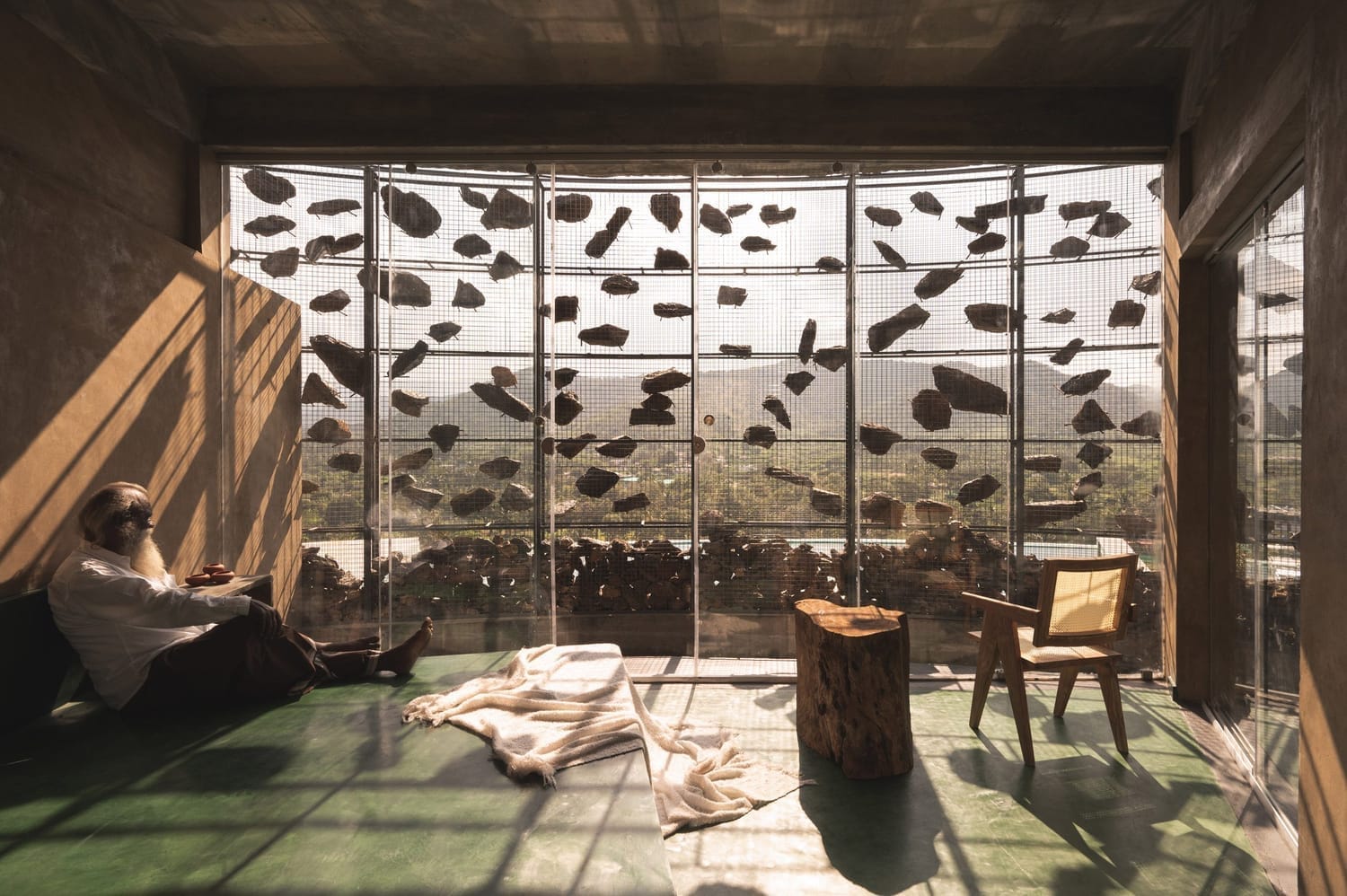
Despite occupying nearly one third of our lives, sleep remains strangely misunderstood.
We have been conditioned to relate to it as if it were a performance target: eight uninterrupted hours, starting at the same time every night.
Consequently, when we wake up at 3 a.m., drift off later than planned, or experience the night in fragments, this mindset leads us to assume that something is broken.
Human sleep has never been perfectly linear.
Neuroscience shows that natural sleep rhythm is the result of an ongoing dialogue between our circadian rhythms, neurochemistry, emotional processing and the environment around us.
As these elements shift from day to day, so does sleep.
Before the advent of artificial light, many people experienced two distinct sleep periods, separated by an hour or two of wakefulness.
What we now often label as insomnia was once, quite simply, a part of the natural night-time cycle.
When we view sleep from this lens, we understand that sleep is not a rigid schedule that must be controlled, but rather a rhythm shaped by the body, the mind, and the space in which we rest.
Understanding this nuance means you no longer expect perfection when it comes to sleep; and this makes the event of natural sleep onset, far less stressful.
Sleep is not a performance target. It is a rhythm shaped by the body, the mind, and the space in which you rest.
The Myth of the Perfect Night

Modern culture portrays sleep as something that can and should be precisely engineered.
Eight hours. Continuous. The same every night.
However, even among healthy sleepers, variation in sleep duration and quality from night to night is normal.
Research compiled by the National Sleep Foundation and published in the journal Sleep, confirms that these fluctuations are a normal, healthy physiological response rather than an indication of failure.
Sleep is influenced by various factors, including emotional stress, physical movement, light exposure, metabolic shifts and the sensory qualities of the environment.
When these inputs change, sleep changes with them.
The challenge of modern sleep expectations lie not in the variation itself, but in our expectation that sleep should never vary.
Sleep cannot be fully controlled. The harder we try to turn it into a linear performance target, the more elusive it becomes.
The real difficulty is not that sleep varies.
It is our expectation that it never should.
What Neuropsychology Teaches About Sleep
Sleep is governed by two elegant biological systems that work together.
The first is the circadian rhythm, which is orchestrated by the Suprachiasmatic Nucleus in the Hypothalamus.
The second is sleep pressure, which builds up throughout the day as Adenosine accumulates in the brain.
These systems do not operate like switches, but rather, they respond continuously to light, movement, cognitive load and environmental cues.
The result is a pattern that behaves more like a tide than a timer, which ebbs and flows in response to conditions, rather than obeying a fixed schedule.
Sleep behaves more like a tide than a timer. It ebbs and flows in response to conditions, not schedules.
The Architecture of a Natural Night
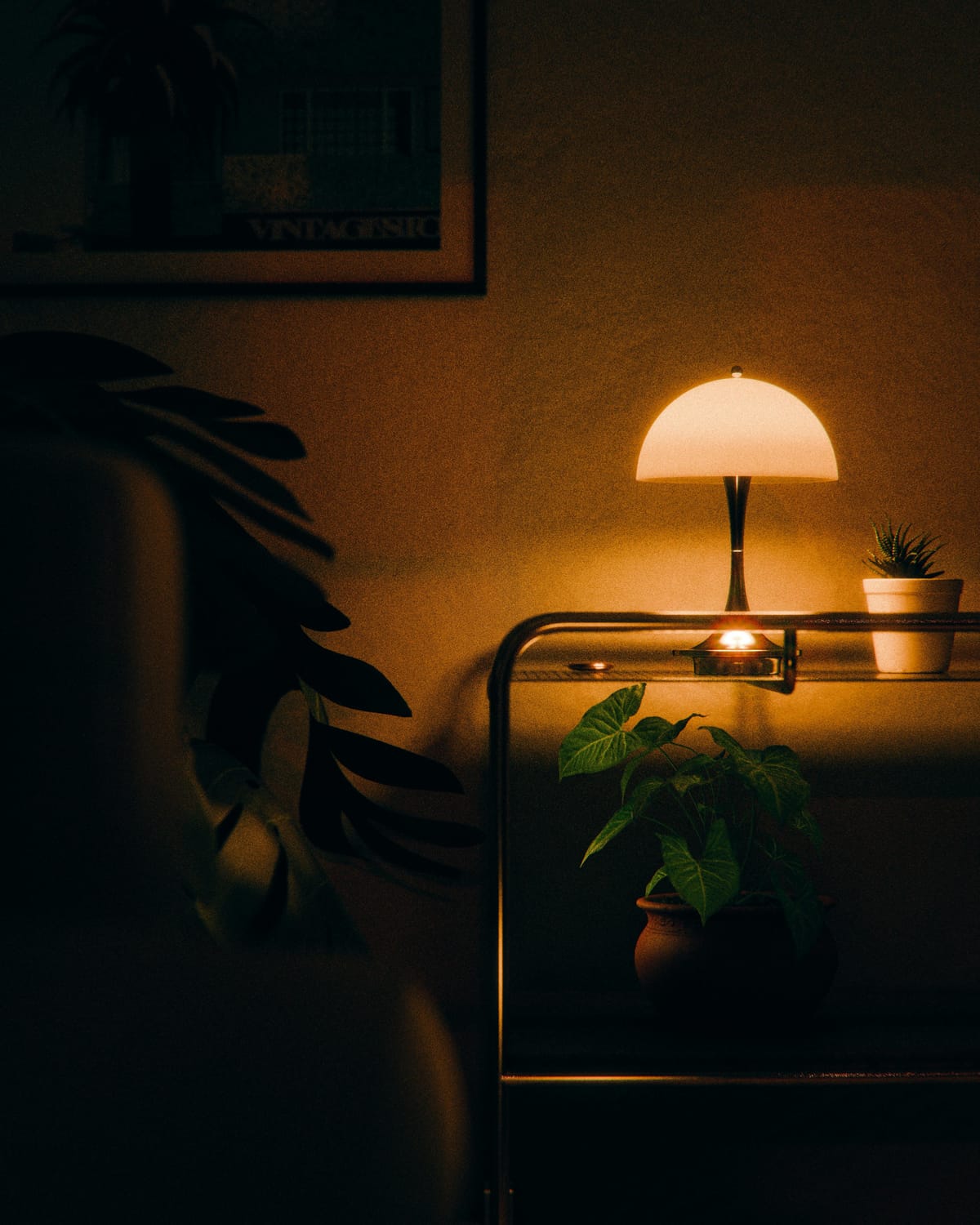
Throughout the night the brain moves through repeating cycles of approximately ninety minutes.
These cycles include light sleep, deep NREM (Non Rapid Eye Movement) sleep, slow-wave sleep, and REM (Rapid Eye Movement) sleep. Deep sleep tends to dominate the earlier part of the night, while rapid eye movement sleep becomes more prominent toward morning.
Brief awakenings between cycles are common and often go unnoticed. The American Academy of Sleep Medicine notes that these micro-arousals form a normal part of healthy sleep architecture.
The brain is not simply switching off for eight hours. It is actively cycling through essential physiological and emotional processes.
The brain does not simply switch off for eight hours. It is actively cycling through essential physiological and emotional processes your waking life depends upon.
The History We Forgot

Before the invention of electric lighting, segmented sleep appears to have been widespread in many pre-industrial societies.
Historian Roger Ekirch’s research reveals numerous references in medieval and early modern texts to 'first sleep' and 'second sleep', separated by a period of wakefulness.
During this time, people would pray, read, reflect, or engage in conversation.
What we now often pathologise as insomnia may once have been a natural rhythm of rest.
While artificial lighting brightened our nights and allowed for better security and visibility, it did far more than that.
It also rewrote the structure of human sleep.
Studies in which participants lived without artificial light for extended periods have produced similar results to pre industrialised sleep architecture, supporting the idea that consolidated sleep is not a universal human trait.
What we now pathologise as insomnia may once have been a natural sleep pattern.
Artificial light has not only brightened our nights, it has also rewritten them.
The Environment Shapes the Rhythm
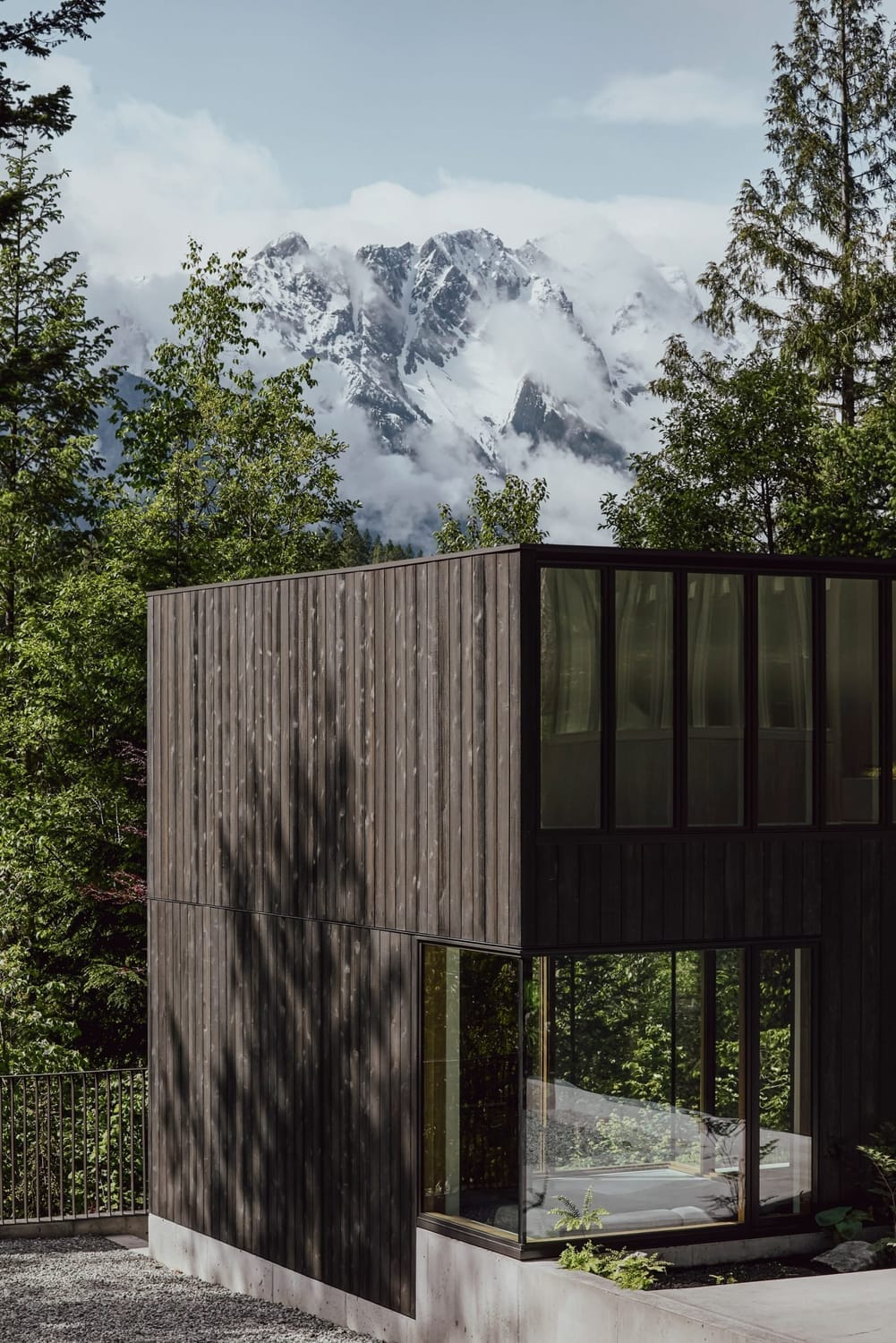
Human sleep evolved in environments rich in clear sensory cues, such as gradual changes in light and temperature, natural sounds, and a sense of safety.
Today, many homes have replaced these cues with consistent inputs of artificial light, flat visual fields and synthetic textures.
Research from Harvard Medical School shows that blue-rich light from screens and light-emitting diodes can delay melatonin release by hours, and shift circadian timing more powerfully than other wavelengths.
Cooler, darker spaces encourage the natural drop in core body temperature that signals the onset of sleep.
Optimal bedroom temperatures generally range between 15 and 19 degrees Celsius.
Predictable, coherent environments with low visual contrast and natural materials reduce vigilance, allowing the brain to transition to a restorative state.
Sleep is not a biological activity that exists in isolation.
It is influenced by environmental conditions.
The Problem With Sleep Optimisation Culture
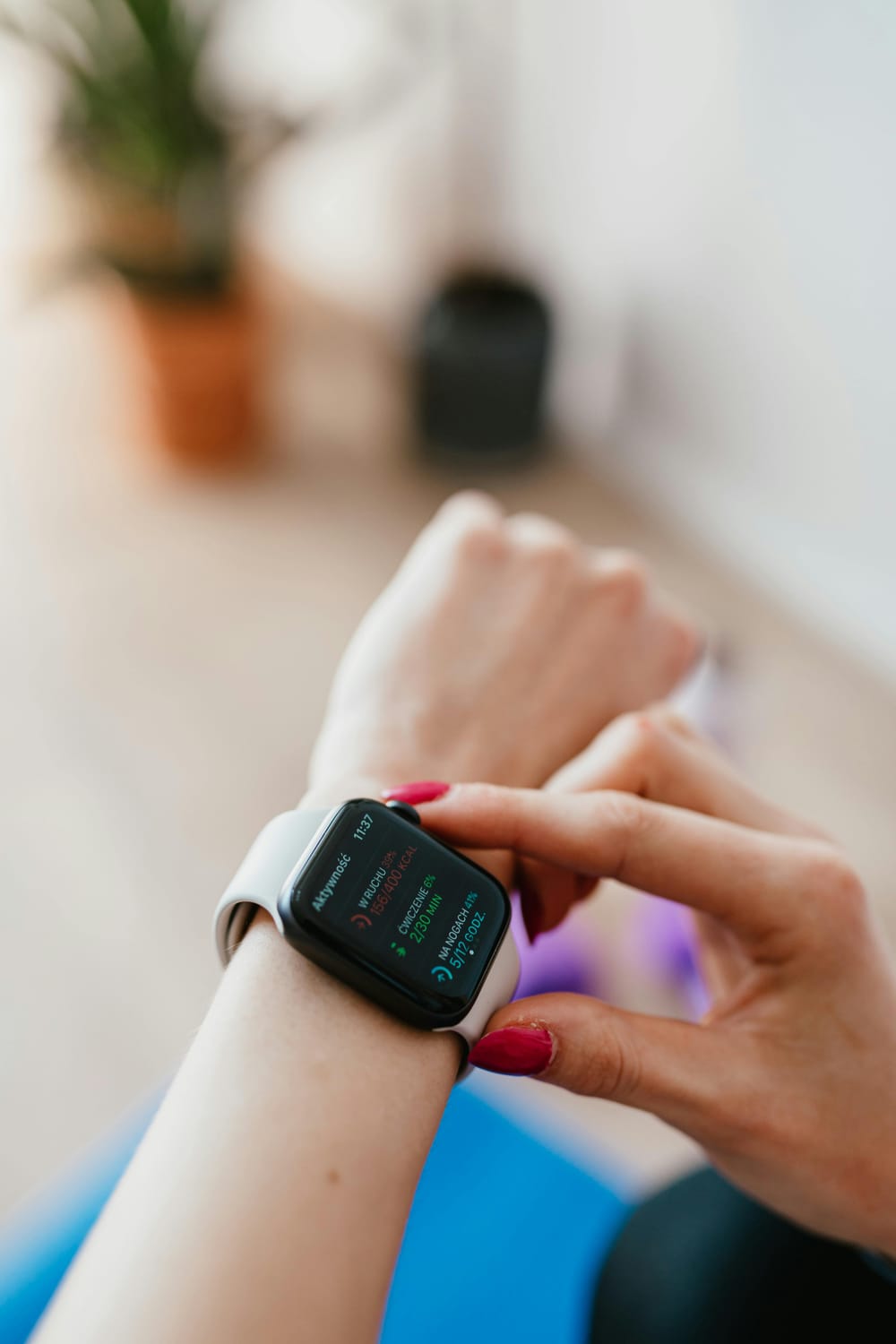
We are surrounded by tools designed to improve our sleep.
Wearable devices track our sleep stages, apps give us scores, and entire product categories have emerged based on the promise of perfect nights.
These are all interesting and useful tools to have if you want to build a clear picture of your sleep rhythm and identify the nuances that exist in your sleep architecture.
However, for many people, this has not resulted in more restful sleep. Instead, it has produced a new and more sophisticated form of vigilance.
Sleep researchers have named this phenomenon 'orthosomnia': a pattern of performance anxiety that develops around achieving optimal sleep metrics.
This term was introduced in a 2017 paper published in the Journal of Clinical Sleep Medicine. The research shows that the closer individuals monitor their sleep data and attempt to correct it, the more cognitively aroused they become at bedtime.
The tool that was meant to help, became the source of a new kind of pressure.
This is not an incidental irony. It is a direct consequence of applying a productivity framework to a biological process that cannot be consciously controlled.
It is important to distinguish between understanding your sleep patterns over time and using a nightly score to judge your worth as a sleeper.
One is information. The other is surveillance.
Reframing Sleep as a Rhythm
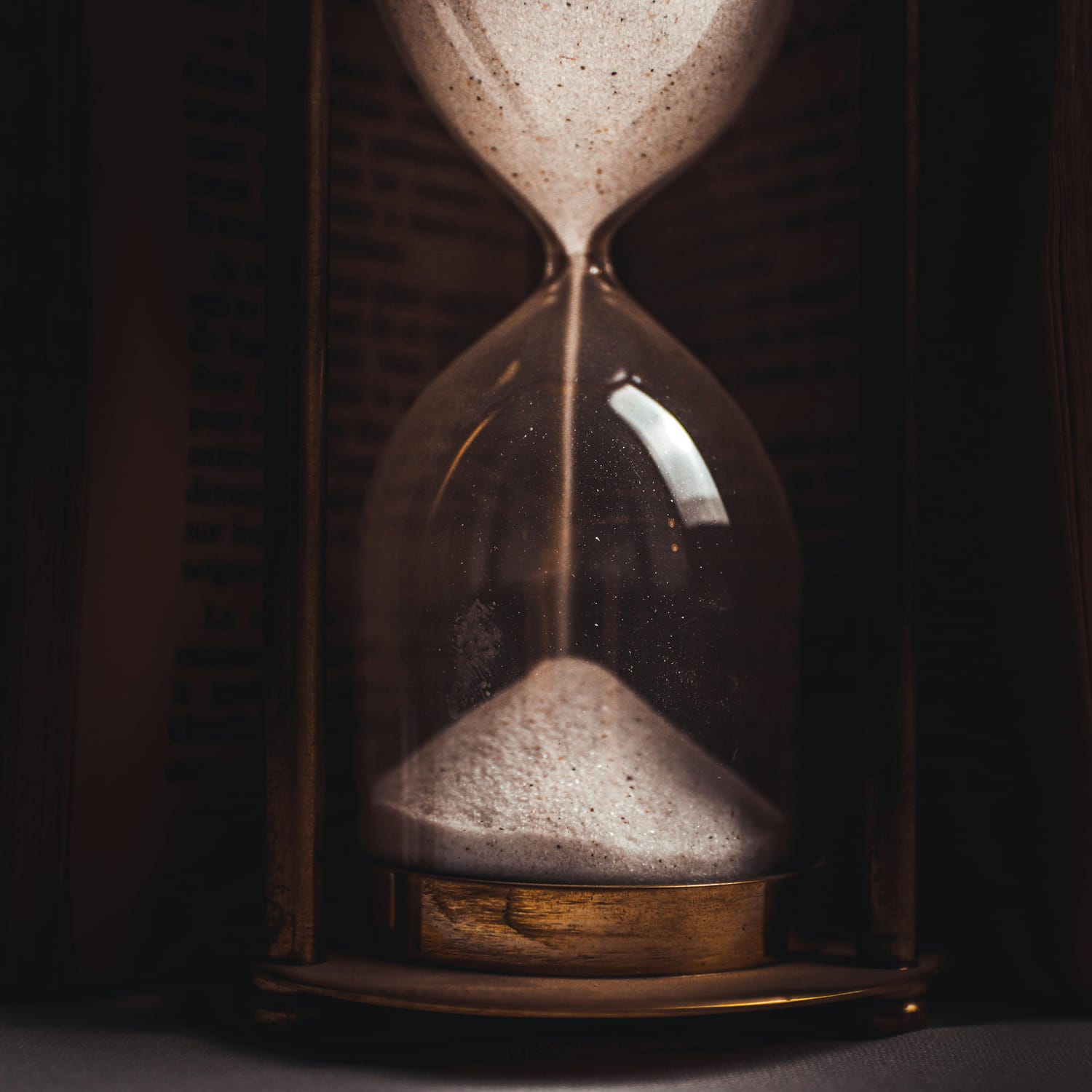
So, if sleep is inherently adaptive, the focus should shift from control to support.
There are several practical steps we can take to create conditions that allow the natural rhythm to emerge.
For example, using gradual light transitions that honour circadian timing, such as dimming the lights in the evening and avoiding bright overhead illumination works in synergy with our biological rhythm.
Maintaining cooler bedroom temperatures, support the physiological downshift.
Creating coherent, low-contrast environments with natural textures, reduce nervous system vigilance.
And finally, cultivating a gentle, non-judgemental relationship with night-time and the sleep that comes as a restorative break before the next day begins.
When all these elements align, sleep will follow naturally.
Lying awake in frustration, trying harder and harder and becoming increasingly exhausted, and harbouring the suspicion that something is fundamentally wrong with you are not accurate diagnoses.
They are the natural consequence of expecting a living, biological rhythm to function like a mechanical timetable in an environment that was never designed to support it.
Sleep is not a discipline that you have failed to master. It is a process that your nervous system naturally eases into, given the right conditions.
When the right conditions are present, sleep tends to come.
When they are absent, it tends to fragment.
The work, then, is not self-correction, but rather, environmental alignment.
Ready To Go Further?
Your home is the most powerful lever you have for supporting this rhythm.
If you have felt the exhaustion of chasing perfect sleep score, know that the misalignment is rarely about willpower. It is often about the interplay of your internal biological rhythms, the load accumulated throughout the day and the sensory environment that surrounds you each night.
The NeuroDesign Blueprint™ was created precisely for this reason: to help you realign your home environment with the biological expectations of your nervous system so that rest and recovery is natural, easy and accessible.
If you are ready to translate these insights into tangible changes in your own home, here are the pathways I offer:
Understand Your Sensory Architecture First
Before any design decision is made, your nervous system's relationship with your environment needs to be decoded.
The Sensory Intelligence Diagnostic is where that begins.
It is not a questionnaire or a moodboard exercise. It is a neuro-architectural assessment that maps your sensory thresholds, identifies the friction zones inside your current home, and produces a precise written report that can be taken directly to your interior designer, architect, or used as the foundation for your own implementation.
Without this baseline, design decisions remain aesthetic speculation. With it, they become neurophysiological calibration.
Go Deeper at Your Own Pace
If you would prefer to begin exploring and implementing changes independently, the e-guides offer practical, neuropsychology-grounded strategies you can work through in your own time and at your own pace.
Track Your Environment Over Time
The Sentient Home application was built to extend this work into daily life. It tracks your nervous system's response to your home environment over time, delivers micro-adjustments to light and sound based on your live bio-rhythms, and gives you the tools to audit any space for biological safety.
It is the ongoing infrastructure for everything the Diagnostic begins.
When you are ready for a guided redesign of your home, i offer interior design services that is informed by our methodology, The NeuroDesign Blueprint™.
Frequently Asked Questions
Q1: Is it normal to wake up in the middle of the night?
Yes, and the evidence on this is clear. Brief awakenings between sleep cycles are a recognised feature of healthy sleep, as documented by the American Academy of Sleep Medicine.
Throughout the night, the brain moves through approximately 90-minute cycles, and short arousals at the transitions between these cycles are common. The problem does not lie in the waking itself, but in the anxiety it causes.
Recognising that these awakenings are a normal part of the sleep cycle is often the first step towards a more relaxed attitude towards night-time.
Q2: What is segmented sleep, and did humans naturally sleep in two phases?
Segmented sleep is defined as sleeping in two distinct periods, separated by an interval of quiet wakefulness.
Extensive research by historian Roger Ekirch into pre-industrial texts has revealed widespread references to 'first sleep' and 'second sleep' in medieval and early modern European cultures.
People would use the interval between the two periods of sleep for prayer, reflection, and quiet activity.
The consolidation of sleep into one continuous period appears to be a relatively modern development, largely shaped by the introduction of artificial light, which extended evening activities and altered the natural rhythm of the night.
Q3: How does my environment affect sleep quality?
Sleep evolved alongside specific environmental cues, such as gradual reductions in light intensity and colour temperature, a natural drop in ambient temperature, organic sounds and a sense of physical safety.
However, when your home environment replaces these cues with bright overhead LEDs, synthetic materials and visual complexity, your nervous system does not receive the biological signals it needs to begin the process of downregulation.
Research from Harvard Medical School has shown that blue-spectrum light from screens and artificial lighting can delay the release of melatonin by several hours. The sensory conditions of your bedroom are integral to sleep, not incidental.
Q4: What is orthosomnia, and could my sleep tracking be making things worse?
Orthosomnia is a term coined by sleep researchers to describe performance anxiety around achieving optimal sleep metrics, which is typically driven by wearable sleep-tracking devices.
There is a well-documented paradox: the more closely individuals monitor and attempt to optimise their sleep scores, the more hypervigilant and cognitively aroused they become at night.
This actively impairs the rest they are trying to achieve. While sleep trackers can offer useful insights over time, when they become the primary measure of a successful night, they often introduce an additional source of pre-sleep stress.
Q5: What governs when I feel sleepy, and why does it vary night to night?
There are two biological systems that regulate sleep timing. The first is the circadian rhythm, which is orchestrated by the suprachiasmatic nucleus in the hypothalamus and responds continuously to light, temperature and other environmental cues. The second is sleep pressure, which is generated by the accumulation of adenosine in the brain throughout the day.
Together, these systems produce an urge to sleep that behaves more like a tide than a switch. They respond to everything you experience, such as emotional stress, physical movement, light exposure and metabolic changes, which is precisely why your sleep varies from night to night. This variation is the system working as intended.
Q6: Can interior design support better sleep?
It can, and the evidence base for this is growing.
Research in environmental psychology and neuroscience consistently shows that the sensory qualities of a space—such as its lighting, temperature, texture, colour scheme and acoustic properties—either support or inhibit the nervous system's ability to relax.
A bedroom deliberately aligned with circadian biology and nervous system needs creates conditions that allow sleep to come more naturally.
Q7: I sleep lightly and always have. Does that mean something is wrong with me?
Not necessarily. Sleep architecture is influenced by genetics, neurological profile, life stage, hormonal status and environmental conditions.
What is perceived as light or fragmented sleep is often an appropriate nervous system response to an environment that has not yet provided the sensory conditions necessary for deeper rest.
While it is understandable to interpret light sleep as a personal failure, this is rarely accurate. Addressing the environmental and contextual factors around sleep can produce measurable shifts without any change to the individual.
Selected Citations & Further Reading
Sleep Variability and Normal Sleep Architecture
Hirshkowitz, et al. (2015).
National Sleep Foundation's sleep time duration recommendations: Methodology and results summary. Sleep Health, 1(1), 40–43. https://doi.org/10.1016/j.sleh.2014.12.010
Sleep Architecture and Micro-Arousals
American Academy of Sleep Medicine. (2014). International Classification of Sleep Disorders (3rd ed.). AASM.
Blue Light, Melatonin Suppression, and Screen Exposure
Chang, A.M., Aeschbach, D., Duffy, J.F., & Czeisler, C.A. (2015). Evening use of light-emitting eReaders negatively affects sleep, circadian timing, and next-morning alertness. Proceedings of the National Academy of Sciences, 112(4), 1232–1237. https://doi.org/10.1073/pnas.1418490112
Gooley, J.J., Chamberlain, K., Smith, K.A., Khalsa, S.B.S., Rajaratnam, S.M.W., Van Reen, E., Zeitzer, J.M., Czeisler, C.A., & Lockley, S.W. (2011). Exposure to room light before bedtime suppresses melatonin onset and shortens melatonin duration in humans. The Journal of Clinical Endocrinology and Metabolism, 96(3), E463–E472. https://doi.org/10.1210/jc.2010-2503
Adenosine and Sleep Pressure
Porkka-Heiskanen, T., Strecker, R.E., Thakkar, M., Bjorkum, A.A., Greene, R.W., & McCarley, R.W. (1997). Adenosine: A mediator of the sleep-inducing effects of prolonged wakefulness. Science, 276(5316), 1265–1268. https://doi.org/10.1126/science.276.5316.1265
Orthosomnia
Baron, K.G., Abbott, S., Jain, N., Zee, P.C., & Zee, J. (2017). Orthosomnia: Are some patients taking the quantified self too far? Journal of Clinical Sleep Medicine, 13(2), 351–354. https://doi.org/10.5664/jcsm.6472
On Sleep Science and Circadian Biology
Walker, M. (2017). Why We Sleep: The New Science of Sleep and Dreams. Allen Lane.
The most accessible synthesis of contemporary sleep neuroscience. Particularly relevant for readers who want to understand REM, sleep deprivation, and the broader consequences of disrupted sleep architecture.
Roenneberg, T. (2012). Internal Time: Chronotypes, Social Jetlag, and Why You're So Tired. Harvard University Press.
Roenneberg's work on chronobiology and social jetlag is essential reading for anyone whose sleep difficulties are rooted in a mismatch between their biological clock and their socially imposed schedule.
On the History of Sleep
Ekirch, A.R. (2005). At Day's Close: Night in Times Past. Norton.
The authoritative historical account of pre-industrial sleep culture, from which the concept of segmented sleep and the 'first sleep/second sleep' pattern is drawn.
On the Environment, Neuroscience, and Healing Spaces
Dr Sternberg's research examines how physical environments affect neurochemistry, immune function, and psychological well being. A foundational text for understanding why the spaces we inhabit matter biologically, not just aesthetically.
SHARE




POST CATEGORY