

The Real Reason Why The Wellness Retreat Stops Working When You Get Home
You Cannot Bottle the Feeling.
But You Can Build It.
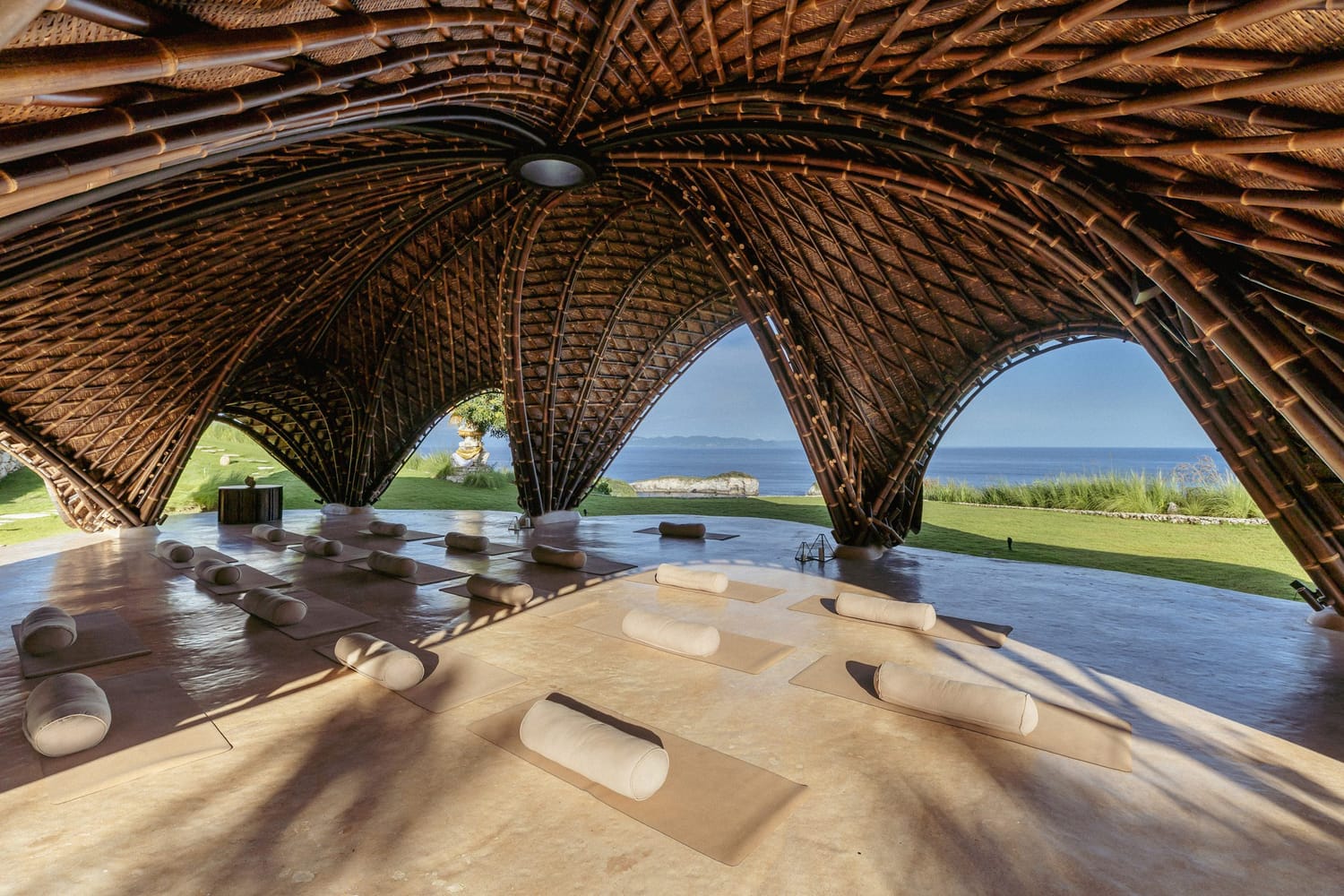
There is a particular kind of quiet that only exists by the sea.
Not an absolute absence of sound—the water is never silent—but an absence of competing demands. There is no acoustic layering of traffic, appliances and other people's urgency.
No spatial negotiation.
No environments asking something of you before you have had the chance to ask something of yourself.
Most of us have experienced this to some extent: perhaps a long weekend away, a few days at a coastal retreat or a stay somewhere that felt genuinely restorative. There, the nervous system stops running its maintenance protocols and the body does something it rarely does in everyday life: it settles.
And then comes the return.
It takes approximately thirty seconds inside your own home for that feeling to begin to disappear. This is not because you have done something wrong or because rest is fragile by nature. It is simply because the environment you have returned to is fluent in a different language, which your nervous system reads immediately.
Why the Retreat Works, and Why It Cannot Last
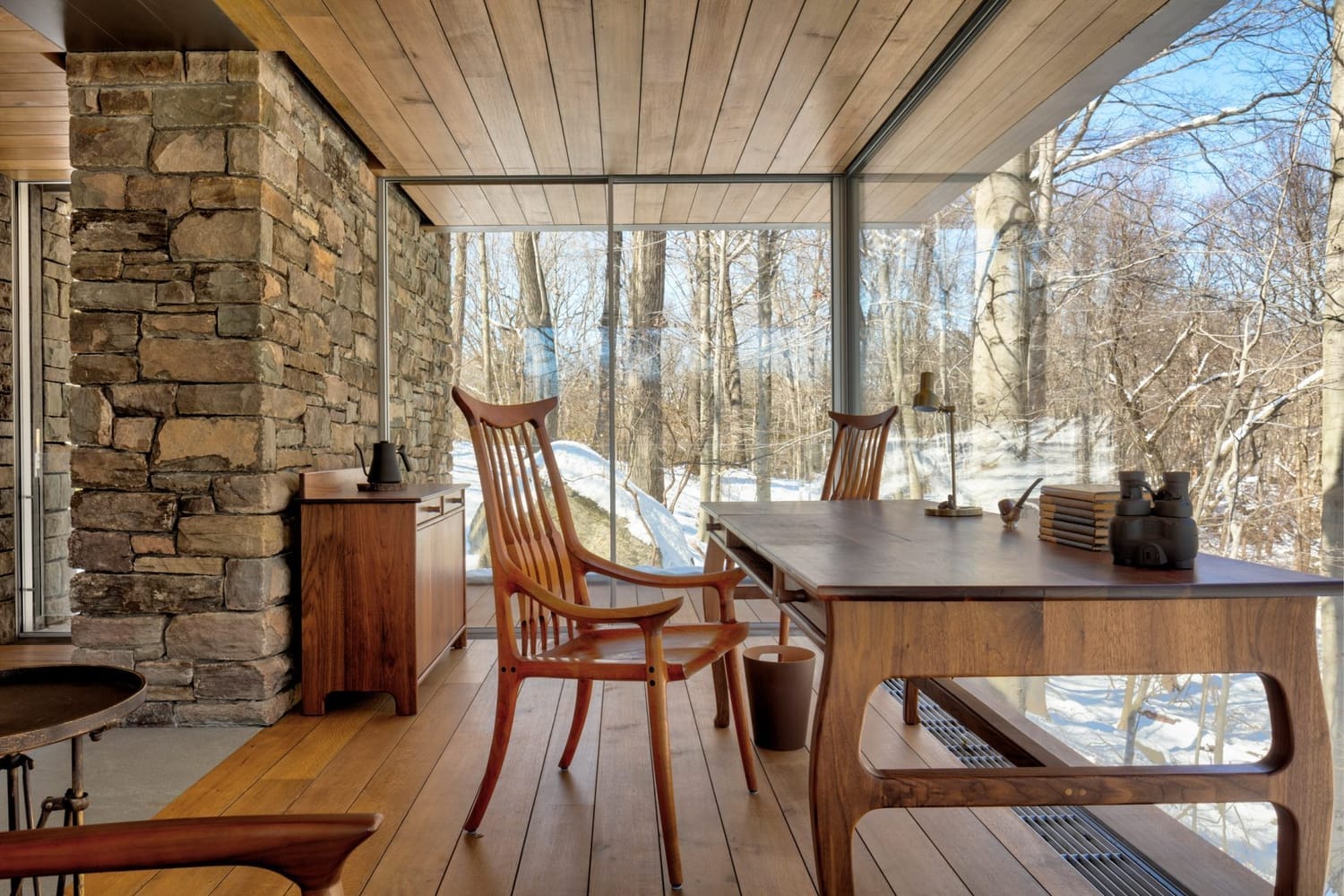
The wellness retreat industry is based on genuine physiological facts: our environments regulate us.
Exposure to natural soundscapes, well-designed lighting, reduced sensory stimulation and a sense of space can produce measurable changes in autonomic nervous system activity, such as a drop in cortisol levels, an improvement in heart rate variability and a shift away from sympathetic dominance towards parasympathetic restoration.
What is rarely stated clearly enough is what that science also tells us about duration and transfer.
Norman Doidge's work on neuroplasticity—the brain's ability to reorganise itself in response to sustained environmental stimuli—shows that long-lasting neurological changes require repeated and consistent exposure to regulating stimuli over time.
The brain does not rewrite its stress response architecture after just three days of calm. It begins to shift when the regulating environment becomes the ordinary environment; the one in which it wakes up, moves around, and returns to every day.
In her foundational research on the relationship between environment and healing, Esther Sternberg makes a parallel point: the environmental factors that produce stress, such as sensory overload, spatial disorientation and lighting that conflicts with biological rhythms, continue to produce stress for as long as they are present.
Remove them temporarily, however, and the body recovers. Return to them, and the body resumes its familiar physiological posture.
The brain does not rewrite its stress response architecture after just three days of calm. It begins to shift when the regulating environment becomes the ordinary environment; the one in which it wakes up, moves around, and returns to every day.
Three to ten days of environmental calm are not enough to maintain a consistent state of emotional regulation, circadian integrity and ease of the nervous system.
The retreat offers relief. However, it cannot address the source.
The Home Is Already Running a Programme
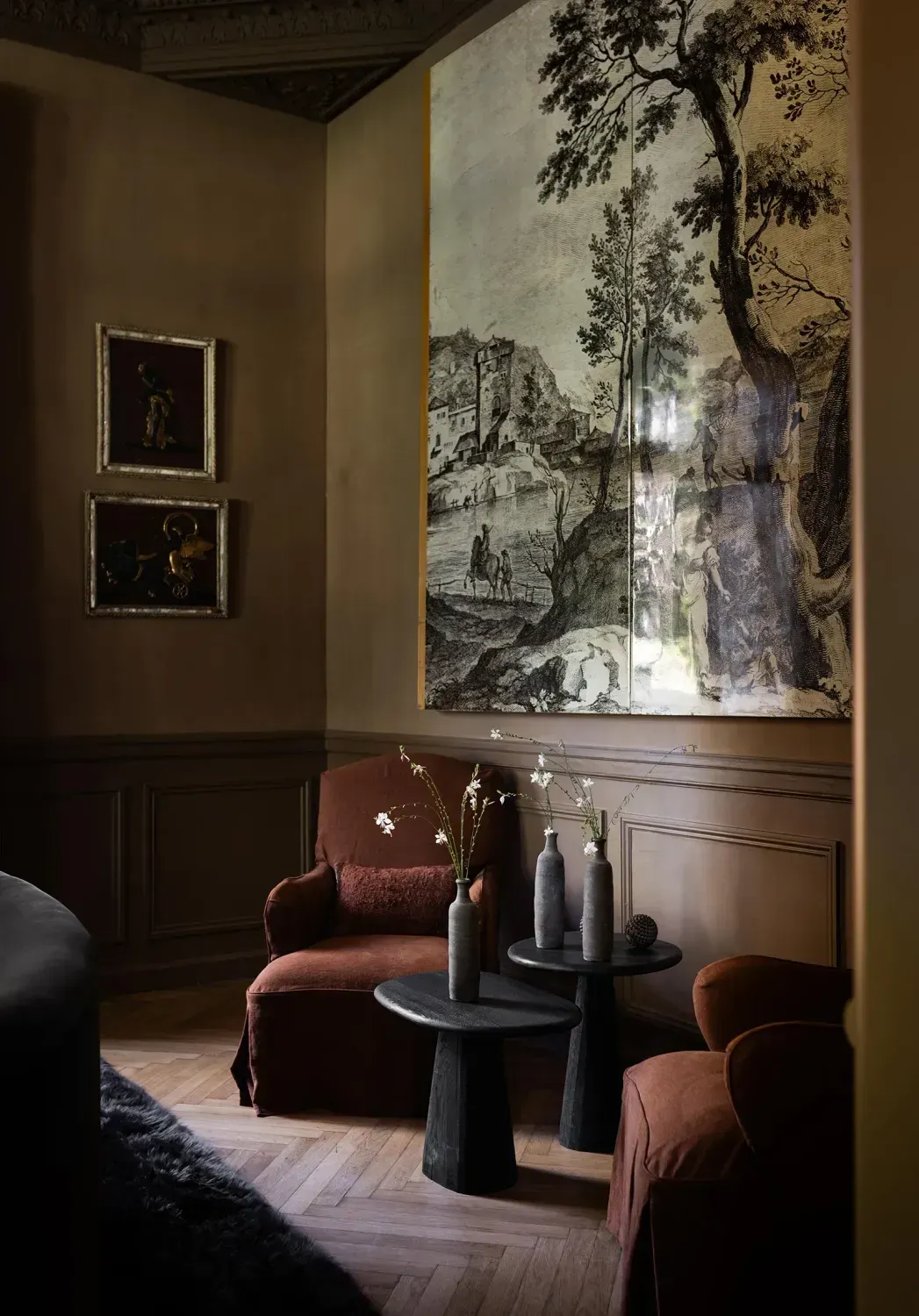
Most conversations about wellness miss this entirely.
Your home is not a neutral backdrop to your life. It is an active sensory environment and your nervous system is constantly processing its inputs beneath your level of conscious awareness, and it adjusts its arousal state in response and runs the same environmental programme every single day.
This programme either builds your capacity or quietly depletes it. In most homes, it is doing the latter, not through dramatic dysfunction, but through the cumulative effect of environments that were never designed with the nervous system in mind.
Your home is an active sensory environment and your nervous system is constantly processing its inputs beneath your level of conscious awareness, and it adjusts its arousal state in response and runs the same environmental programme every single day.
Acoustics
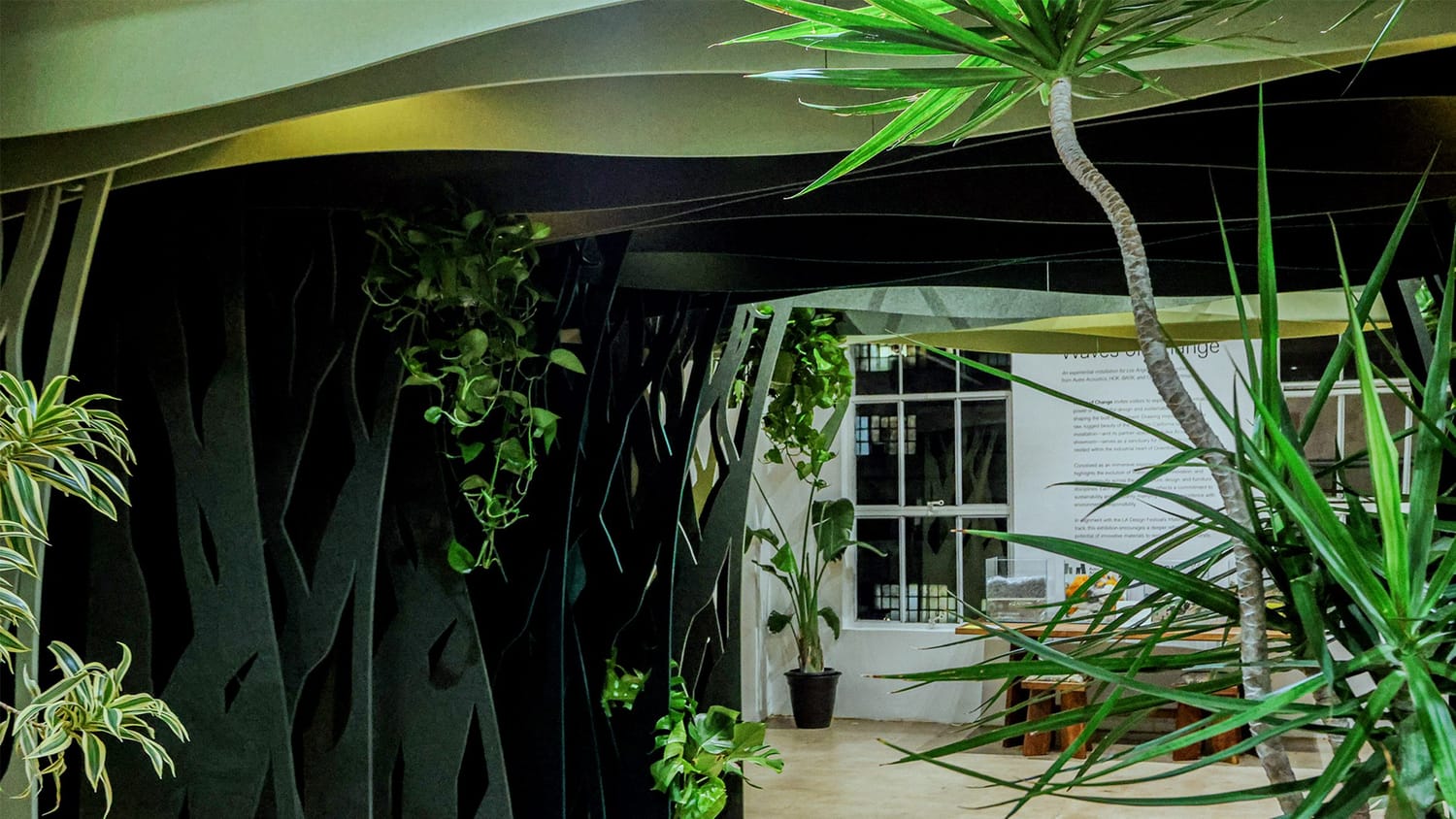
Sound is the one sensory channel that the nervous system cannot voluntarily close.
The auditory cortex remains active during sleep. It continuously evaluates threat and safety, using the acoustic environment as its primary source of data.
Hard surfaces, open-plan layouts without acoustic buffer zones, thin internal walls that carry sound between rooms and the low-frequency hum of appliances running in otherwise quiet spaces all contribute to a state of low-grade auditory alertness.
This is nothing so legible as outright fear. Just a persistent readiness that never quite resolves into ease.
Over time, this readiness becomes the physiological baseline. The noise recedes from conscious awareness, but the nervous system's response to it does not.
Spatial Navigation
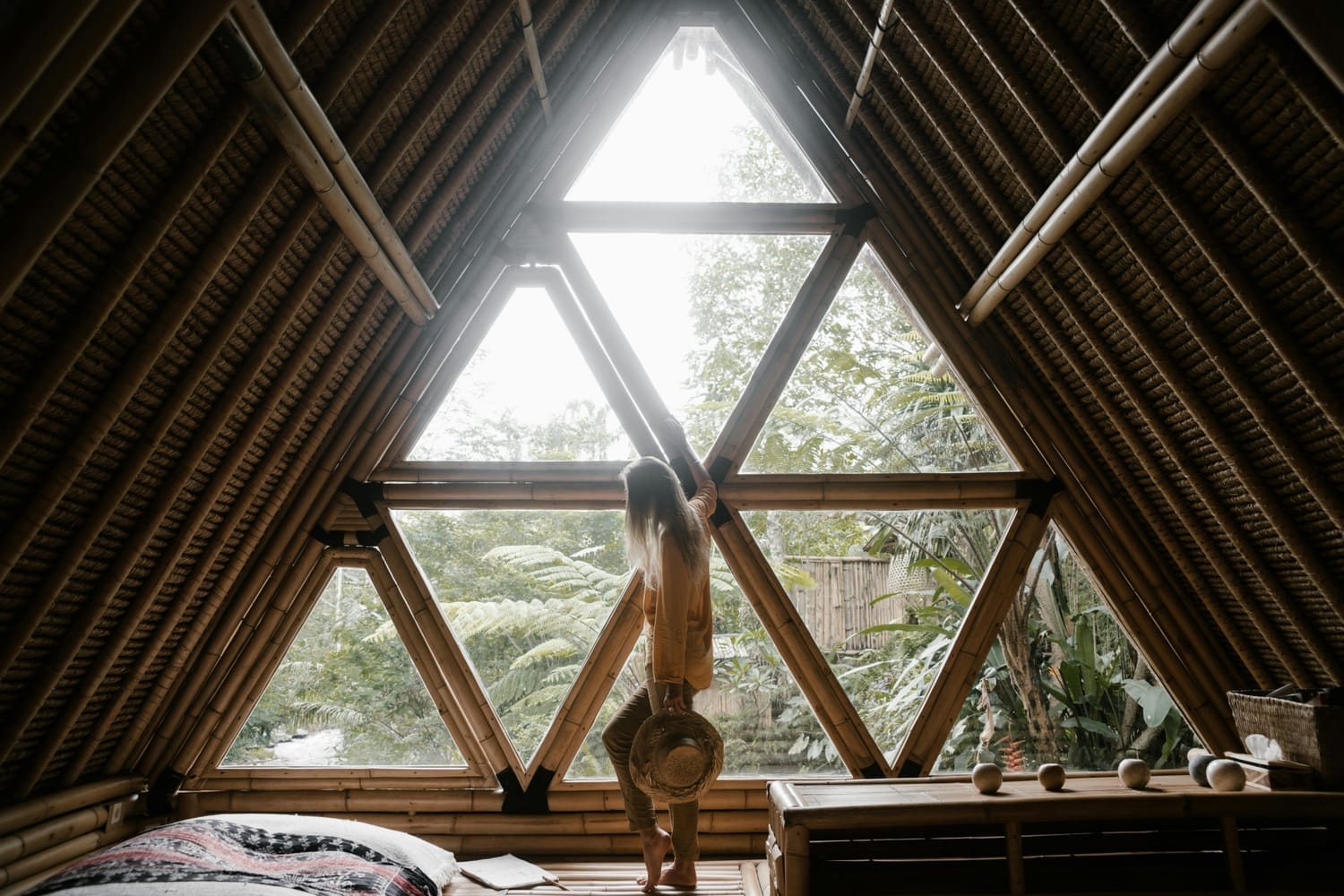
The way a human body moves through a home is not unrelated to how the mind functions within it.
Environmental psychologists have documented what spatial designers have long observed: that cluttered thresholds, rooms serving too many competing functions without clear delineation and corridors or layouts creating visual dead ends generate what practitioners term 'spatial friction'.
Each encounter with spatial friction requires a micro-decision. Individually, these decisions are invisible.
However, cumulatively, across the ordinary movements of a day, they constitute a meaningful cognitive load: one that goes unnoticed because the space is never identified as its source.
It is the person who experiences the depletion and the environment escapes examination.
Lighting Quality

The human circadian system functions as a biological clock.
Light is its primary synchronising input, and it is highly sensitive to the spectral and intensity properties of the light it receives.
Artificial environments that maintain cool, high-intensity lighting in the evening or, conversely, that provide insufficient lighting in the morning, send inaccurate temporal data to the hypothalamus.
This has downstream physiological consequences, including disrupted cortisol patterning, suppressed or mistimed melatonin secretion, and a body that is perpetually slightly out of phase with itself.
This is the endocrine system responding to environmental information with the only mechanisms available to it.
Lighting that tracks the arc of natural daylight; shifting in colour temperature and intensity throughout the day, provides the biological clock with accurate information.
Lighting that does not do this creates a form of chronic, low-level physiological confusion that most people have learned to accept as normal tiredness.
Materials and Texture
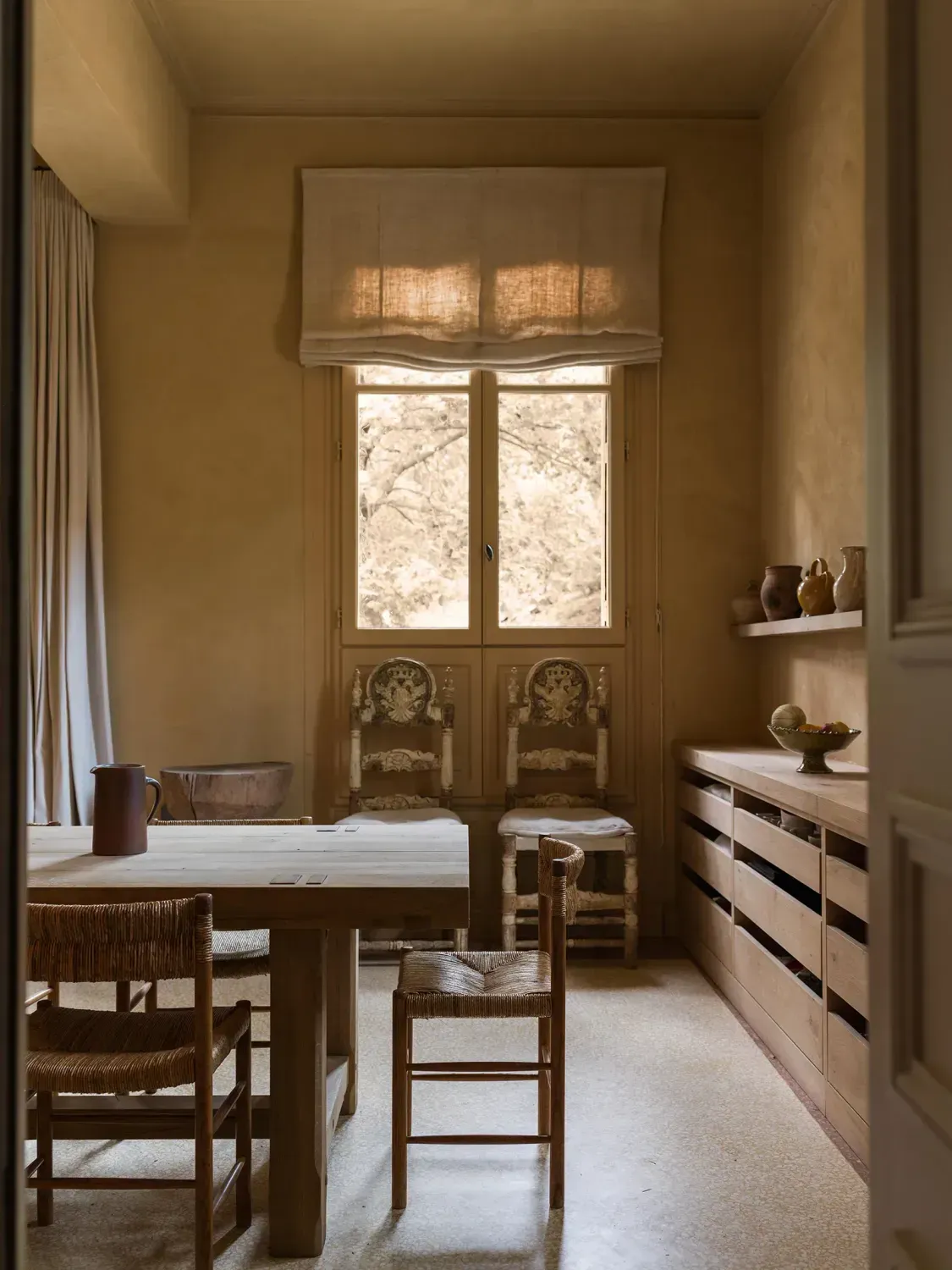
The skin is a sensory organ that is constantly in conversation with the surfaces it encounters.
Flooring, upholstery, worktops and wall finishes are not just background detail; they provide tactile information that the somatosensory system registers and evaluates constantly.
Research in biophilic design consistently demonstrates that natural materials and organic textural variation produce measurable reductions in physiological stress markers, an effect that cannot be replicated by synthetic, uniform surfaces.
While it may feel like an aesthetic preference, this is not the case.
It is a biological response to the degree of environmental congruence between the sensory environment and the conditions in which the human nervous system evolved.
We are not adapted to synthetic uniformity. Our bodies register the absence of the textural complexity of the natural world.
Colour Relationships
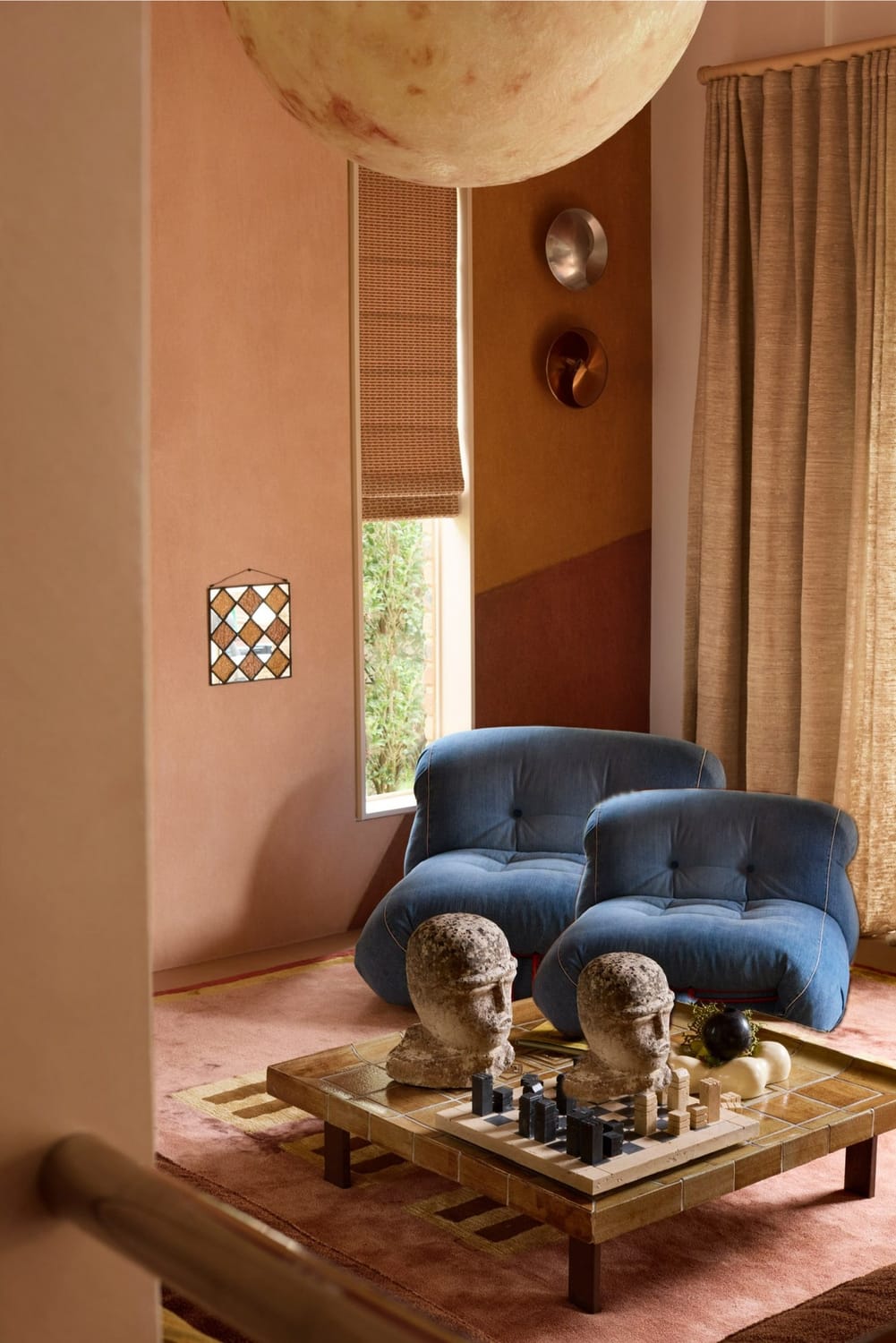
The visual cortex processes colour before meaning is assigned to it.
It arrives as wavelength and contrast data, which the brain evaluates in terms of arousal: the degree to which the visual environment demands attention.
High chromatic saturation without tonal relief, sharp contrast relationships across large visual fields and colour environments without coherent grounding generate continuous low-level visual demand.
The brain works to resolve what it perceives as visual instability, doing so quietly beneath the level of conscious awareness.
Considered colour architecture, grounded in the relationship between hue, saturation, value and human arousal physiology produces calm as a neurological output because it reduces the attentional demand that the visual environment places on the brain.
What This Means For Your Nervous System

The question worth considering is not how to feel better for a weekend.
Rather, it is why the home, the environment to which a person returns every day, sleeps in every night and moves through across their entire life, has not been held to the same standard as the places they escape to in order to recover from it.
Each of these stressors is manageable when considered individually: the human body is resilient that way, and we adapt to imperfect environments with remarkable efficiency.
However, these stressors do not operate in isolation.
They act together, continuously throughout every hour spent inside the home, which constitutes the majority of most people's waking and sleeping life.
The acoustic environment, spatial layout, lighting, materials and colour relationships interact continuously to produce a combined sensory load that the nervous system carries without acknowledgement or relief.
The wellness retreat works because it removes this load entirely, replacing it with regulating input in a setting designed, consciously or otherwise, to do so.
Rest, restoration and parasympathetic recovery are not exceptional states requiring exceptional environments. They are the nervous system's natural state when the environment is no longer working against it.
The question worth considering is not how to feel better for a weekend.
Rather, it is why the home, the environment to which a person returns every day, sleeps in every night and moves through across their entire life, has not been held to the same standard as the places they escape to in order to recover from it.
The home is not a retreat. However, there is no biological reason why it cannot function as such.
A Final Message To Empower You
Your brain is rewriting its operating system; your home should be the lab that helps it do that.
Interior design is changing. It is moving away from consumerism and towards nervous system care.
Your sensory fingerprint is unique, so attune your home environment accordingly. Chatterjee and Vartanian (2016) demonstrate that aesthetics can encourage self-reflection during transitions. A regulated home speaks of safety; learn to listen.
Are you ready to design for your nervous system?
Take Action Today
If something in this article named an experience you have been carrying without language for it, there is a structured path forward.
Understand Your Sensory Architecture First
Before any design decision is made, your nervous system's relationship with your environment needs to be decoded. The Sensory Intelligence Diagnostic is where that begins. It is not a questionnaire or a moodboard exercise. It is a neuro-architectural assessment that maps your sensory thresholds, identifies the friction zones inside your current home, and produces a precise written report that can be taken directly to your interior designer, architect, or used as the foundation for your own implementation.
Without this baseline, design decisions remain aesthetic speculation. With it, they become neurophysiological calibration.
Request the Sensory Intelligence Diagnostic →
Go Deeper at Your Own Pace
If you would prefer to begin exploring and implementing changes independently, the e-guides offer practical, neuropsychology-grounded strategies you can work through in your own time and at your own pace.
Track Your Environment Over Time
The Sentient Home application was built to extend this work into daily life. It tracks your nervous system's response to your home environment over time, delivers micro-adjustments to light and sound based on your live bio-rhythms, and gives you the tools to audit any space for biological safety.
It is the ongoing infrastructure for everything the Diagnostic begins.
Explore The Sentient Home Application→
When you are ready for a guided redesign of your home, i offer interior design services that is informed by our methodology, The NeuroDesign Blueprint™.
Frequently Asked Questions: The Real Reason Why The Wellness Retreat Stops Working When You Get Home
1. If I already feel relatively comfortable in my home, does any of this apply to me?
Comfort and regulation are not the same thing. Comfort often occurs when the nervous system has adapted to a stressor so thoroughly that it no longer registers the load consciously. However, the body still carries the effects of the stressor, which can manifest as disrupted sleep, low-grade fatigue without a clear cause, difficulty concentrating in the evenings or a persistent sense of restlessness that no amount of tidying or rearranging seems to resolve. The absence of obvious distress does not mean that the environment is functioning well. Rather, it is often evidence that the nervous system has normalised a level of depletion that it was never designed to sustain.
2. Does this mean I need to renovate my home entirely?
Not necessarily, and often not at all. Many of the most significant environmental stressors are non-structural. Lighting adjustments, acoustic interventions, considered material choices, and spatial reorganisation can produce measurable shifts in nervous system response without requiring building work.
The Sensory Intelligence Diagnostic is designed precisely to identify which environmental inputs are generating the most friction in your specific context, so that any changes made are targeted and evidence-led rather than wholesale and speculative.
3. Is this relevant if I rent or cannot make permanent changes to my space?
Yes. A significant proportion of NeuroDesign interventions work within the parameters of a rental property such as lighting, portable acoustic elements, material layering, colour through furnishings and textiles, and spatial organisation.
The principles of the methodology do not require ownership of walls. They require an understanding of how your specific nervous system is responding to your current environment, and that understanding applies regardless of tenure.
4. How is The NeuroDesign Blueprint™ different from general wellness advice about home organisation or decluttering?
General decluttering advice operates on the assumption that visual reduction produces calm.
That is partially true, as spatial friction is a real stressor, but it is one variable among several, and addressing it in isolation leaves the acoustic environment, the lighting architecture, the material sensory field, and the circadian calibration of the space entirely unaddressed.
The NeuroDesign Blueprint™ treats the home as an integrated sensory system and works across all of its environmental inputs simultaneously, beginning with a diagnostic that maps your individual sensory thresholds and tolerance patterns. The distinction is between symptom management and root-cause resolution.
5. How long does it take to notice a difference once environmental changes are made?
Changes in the environment can trigger a physiological response that happens quickly. For example, changes in lighting quality and the acoustic environment can lead to noticeable changes in how alert you feel and the quality of your sleep within days.
However, deeper neurological adaptation, as described in Norman Doidge's work on plasticity, requires sustained exposure to the regulating environment over weeks and months. This is not a limitation of the methodology, but rather the honest timeline of how the brain reorganises itself in response to consistent environmental input.
The goal is not a temporary improvement that disappears when attention moves elsewhere. Rather, it is a lasting recalibration which requires the regulating environment to become ordinary life, rather than an intervention within it.
Selected Citations & Further Reading
The research underpinning this article draws on an established and growing body of work across neuroscience, environmental psychology, chronobiology, and neuroarchitecture.
The following sources are recommended for readers who wish to go further.
Esther M. Sternberg: Healing Spaces: The Science of Place and Well-Being
The foundational text on the relationship between physical environment and biological health. Sternberg, an NIH researcher and immunologist, documents the mechanisms through which sensory environments communicate directly with the nervous and immune systems, and examines how design choices such as in hospitals, workplaces, and homes, either support or undermine the body's capacity to regulate and heal.
Harvard University Press
Norman Doidge: The Brain That Changes Itself
This is the definitive, accessible account of neuroplasticity: the brain's ability to reorganise its own structure and function in response to sustained environmental and experiential input. This book is essential reading for anyone looking to understand why lasting nervous system change requires repeated, consistent exposure to regulating conditions rather than short-term relief.
Academy of Neuroscience for Architecture (ANFA)
ANFA is the leading international body dedicated to advancing the scientific understanding of how the built environment shapes human neurological and physiological responses. ANFA's published research and conference proceedings constitute the most rigorous ongoing body of work at the intersection of neuroscience and architectural design.
Khodasevich et al. (2021): Characterising the Modern Light Environment and Its Influence on Circadian Rhythms, Proceedings of the Royal Society B
A peer-reviewed study from Columbia University's Mailman School of Public Health examining how artificial light schedules misaligned with natural day-night cycles disrupt circadian and hormonal systems, with documented downstream consequences for sleep, metabolism, and physiological regulation.
Stress Recovery Theory and Attention Restoration Theory: foundational frameworks
There are two landmark theoretical frameworks in environmental psychology that underpin the scientific case for biophilic and regulating design. Stress Recovery Theory, developed by Roger Ulrich, suggests that exposure to natural environments triggers an unconscious positive physiological response, which can be measured by reductions in heart rate, blood pressure, and cortisol levels. Attention Restoration Theory, developed by Rachel and Stephen Kaplan, demonstrates how natural environments restore the directed attentional capacity that is depleted by cognitive load. Both theories are supported by decades of empirical research.
Frontiers in Virtual Reality — biophilic design and stress recovery
SHARE




POST CATEGORY