

Fractals, Hormones, and Home: How Nature’s Patterns Calm the Midlife Brain
Download Your Fractal Flow Mapping Checklist here ->
Why Your Home Matters More Than You Think
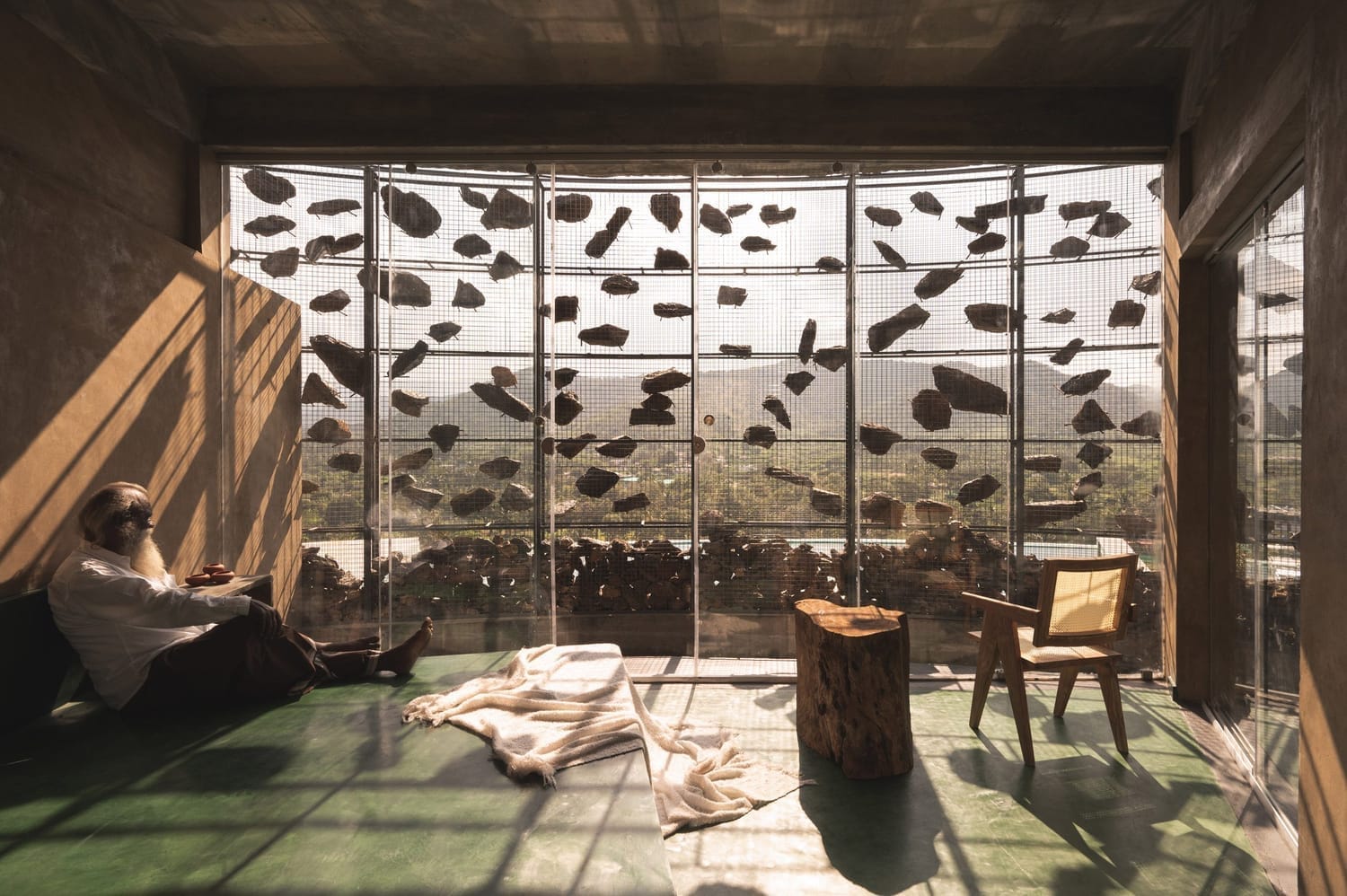
It’s 3:17 p.m., and the house feels louder than usual. Sunlight slices through the blinds in harsh lines, casting harsh shadows that seem to emphasise every item scattered across the counter.
The pile of laundry in the corner feels chaotic, and even the hum of the refrigerator is irritating. This isn't just a bad day or temporary stress; it's how your midlife brain is interpreting your environment, which is now heightened by hormonal changes that amplify every sensory input.
For women navigating perimenopause and postmenopause, these moments aren’t anomalies; they’re signals from a nervous system that is being recalibrated amid oestrogen fluctuations.
But what if the presence of patterns in our homes – ones that often go unnoticed – had the capacity to influence the regulation of stress, focus and hormonal balance in our brains?
Your brain is designed to recognise order in nature — and fractals are its favourite language.
Could the subtle geometry of leaf-motif wallpaper or the rhythmic flow of natural light or layered lighting transform your home into a sanctuary for cognitive health? In this exploration of neuropsychology in interior design for women navigating perimenopause and postmenopause, we explore the science of fractals: nature's hidden blueprint for calm.
We will draw on the wisdom of neuroscience and environmental psychology to explore how these self-similar patterns can foster hormone-supportive environments, thereby helping to reduce symptoms associated with this upheaval and enhancing midlife wellness.
This week's journal entry is all about exploring how nature's patterns could help women in midlife rebuild calm from the inside out, creating a sense of equilibrium and emotional stability.
It’s not that you’re overwhelmed ; it’s that your environment stopped supporting the way your brain now needs to recover.
The Midlife Brain: Why Sensory Environments Matter
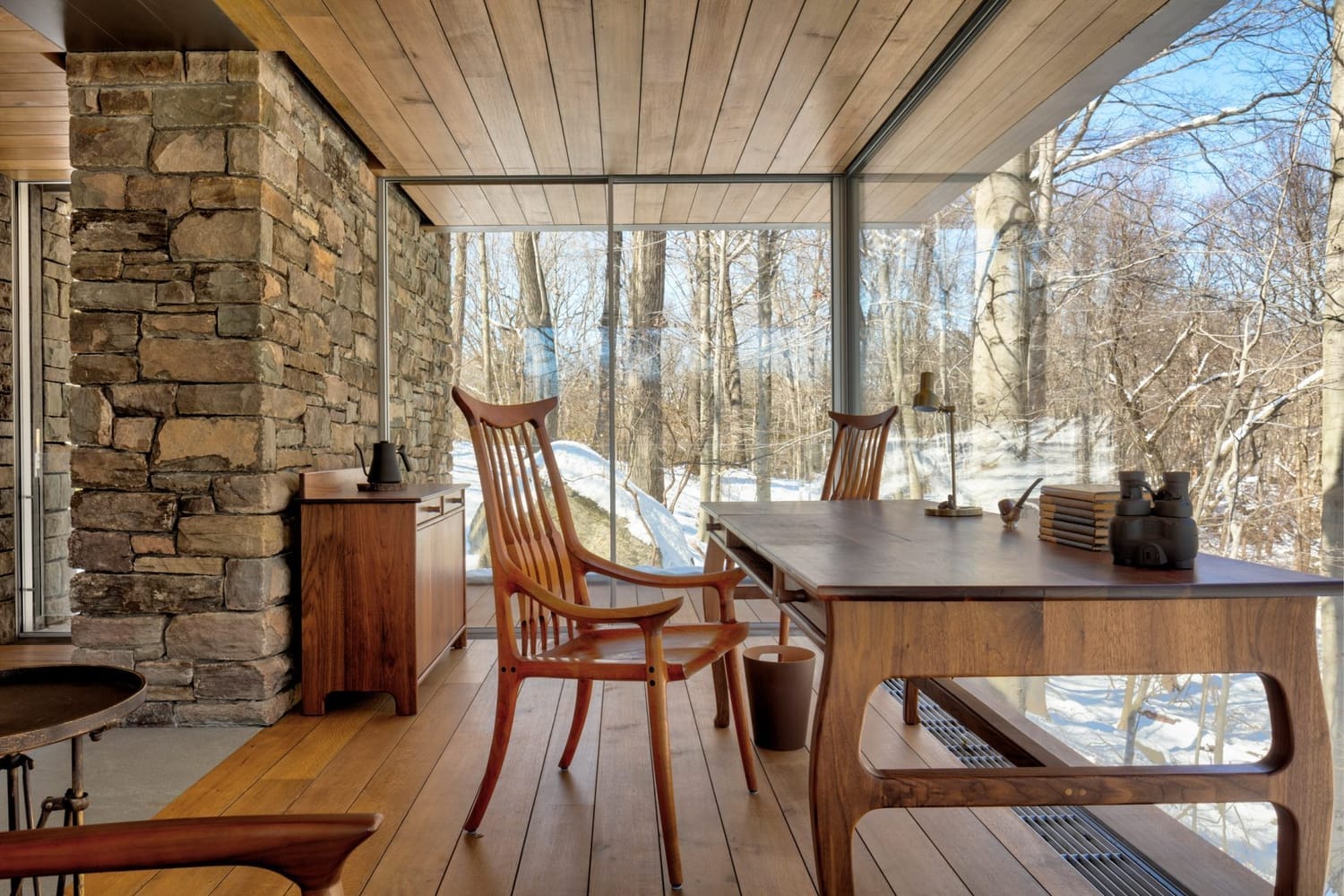
Perimenopause isn't just a phase; it is hallmarked by a significant change in the way the brain works.
As oestrogen levels fluctuate and eventually decline, the brain undergoes structural and functional changes that can heighten sensory sensitivity and cognitive load. Research from neuroimaging studies shows that this period affects important areas such as the hippocampus (involved in memory), the amygdala (emotional processing) and the prefrontal cortex (executive function and focus).
For many women, this manifests as an increased sensitivity to environmental stimuli: brighter lights can become overly intense, noises can seem more intrusive, and certain textures can cause discomfort.
A landmark study by Lisa Mosconi and her colleagues published in Scientific Reports in 2017 used multi-modality neuroimaging to demonstrate that menopause significantly alters brain structure, connectivity and energy metabolism.
During perimenopause, brain glucose metabolism — a marker of energy efficiency — drops by 5–10%, meaning the brain has to work harder to perform everyday tasks.
Symptoms such as brain fog, mood swings and sensory overload are said to be caused by this bioenergetic deficit, which is compounded by oestrogen's protective role in neuroplasticity.
In lab studies, fractals lowered stress by as much as 60%, showing that visual complexity can be deeply restorative.
Roberta Brinton's work in Frontiers in Neuroendocrinology (2015) further elucidates how declining oestrogen levels activate inflammatory pathways, linking hormonal changes to an increased risk of Alzheimer's disease and heightened stress responses.
These are not signs of dysfunction, but rather adaptive recalibrations. Studies by the Menopause Society and BUPA highlight how sensitivities to auditory, visual, thermal and emotional stimuli intensify, making the home environment a critical factor in managing cognitive health. In essence, your perimenopausal brain is more attuned to its surroundings, demanding spaces that foster resilience rather than adding to the burden.
This is where sensory design, grounded in neuroscience and environmental psychology, emerges as a potent tool for designing perimenopausal home environments.
If your environment is misaligned with the demands of perimenopause: like exposure to non-adaptable lighting, intrusive sounds, synthetic textures, visual chaos or sterile minimalism – your nervous system will stay in alert mode.
It's not just a case of 'needing to rest more'; your body craves predictable sensory cues that indicate safety.
Fractal patterns and multi-sensory coherence provide these cues, countering the amplified sensitivities (auditory, visual, thermal and emotional) identified in studies by the Menopause Society and BUPA.
For women navigating this phase, sensory design becomes a vital form of self-care, transforming homes into havens that support cognitive and hormonal health.
The perimenopausal brain doesn’t crave emptiness; it craves patterns it can predict.
Fractals 101: What They Are and Why the Brain Loves Them
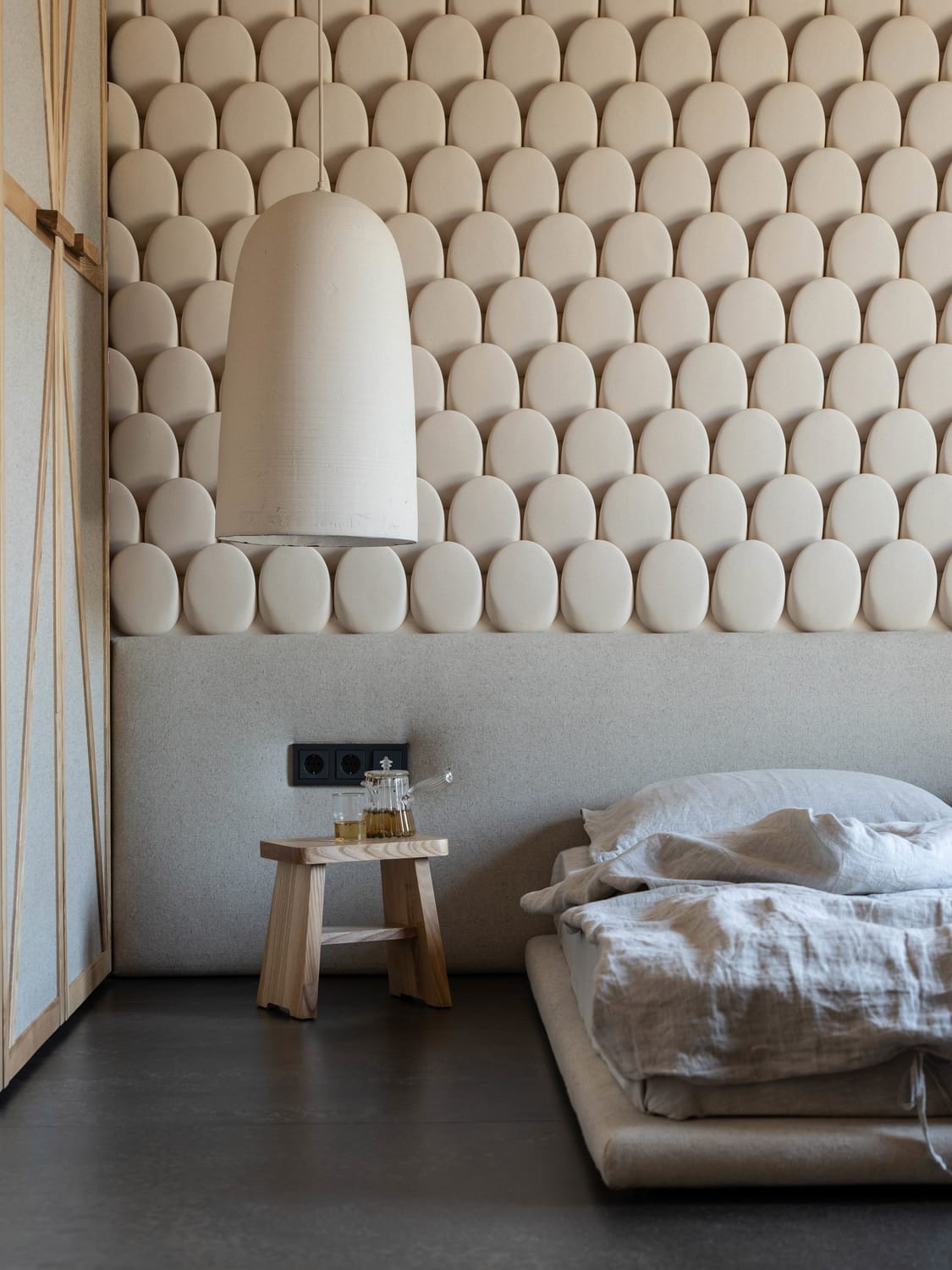
Aesthetic fluency - the brain’s ability to process patterns easily - is like painless pleasure for the nervous system.
A fractal is a repeating pattern that appears similar at different scales. For example, a coastline viewed from afar resembles the jagged edge of a single rock, and tree branches resemble the veins in a leaf. Our visual system evolved in fractal-rich environments and processes them with 'aesthetic fluency', meaning they require minimal cognitive effort yet provide engaging complexity.
This effortless recognition evokes a sense of calm, slowing the heart rate, easing the galvanic skin response and reducing cortisol levels.
Controlled experiments have revealed that viewing natural fractal imagery for as little as 10 minutes can reduce physiological stress by up to 44%, with broader exposure being linked to anxiety reductions of up to 60%.
Pioneering research by Hägerhäll, Taylor and Spehar identifies fractals with mid-range complexity (D = 1.3–1.5) as ideal for visual relaxation — a range that evokes 'soft fascination', the restorative state of attention described in Kaplan and Kaplan's Attention Restoration Theory.
For women in midlife, whose brains are adjusting energy use and focus, fractals are more than just decorative; they are visual tools that reduce cognitive workload and stabilise mood.
This concept is supported by neuroaesthetic research, which demonstrates that beauty activates the brain's mood-regulating and reward networks, providing emotional balance and physiological calm.
In hormone-supportive spaces, incorporating fractals isn't decorative; it's therapeutic, countering the sensory overwhelm of perimenopause.
Your environment is always talking to your nervous system. Design gives you the power to control the conversation.
The Four Fractals: Sight, Sound, Light, and Touch—And How to Use Them
Fractals have a far broader reach than just visuals; they influence all the senses to create sensory coherence in neuroaesthetic interiors.
Layering these patterns across modalities turns homes into sanctuaries that regulate the nervous system — a particularly vital function during menopause and in the context of environmental psychology.
Below, each topic is explained using scientific principles. It covers why it matters, what it feels like, practical tests and beginner tricks — small experiments that produce measurable results.
Fractals can be embedded through texture, pattern, light, or sound, creating coherence across your senses.
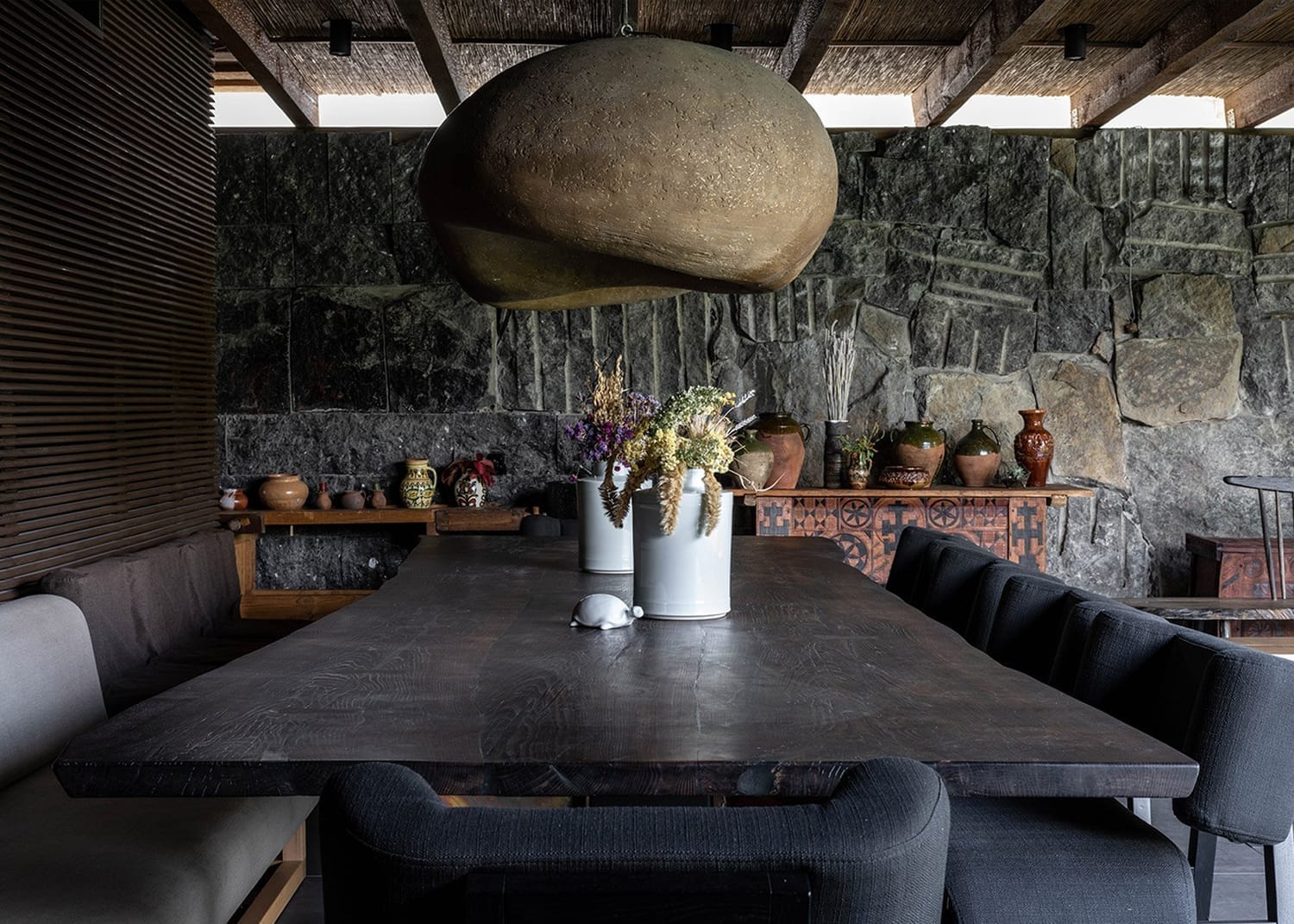
Visual Fractals — Calm Through Sight
Why it matters:
Mid-range visual complexity reduces attentional load and stress, which benefits overworked midlife brains disproportionately.
Practical tests:
Swap one flat surface for a patterned textile or richly grained wood (e.g., tray, bowl).
Hang a natural scene print (coastline, canopy, river) where you sit often.
Curate shelves with breathing space—negative space enhances readability.
Beginner trick: Start with a pillow or artwork. Sit for 10 minutes: Feel less distracted?
Acoustic Fractals — Calm Through Sound
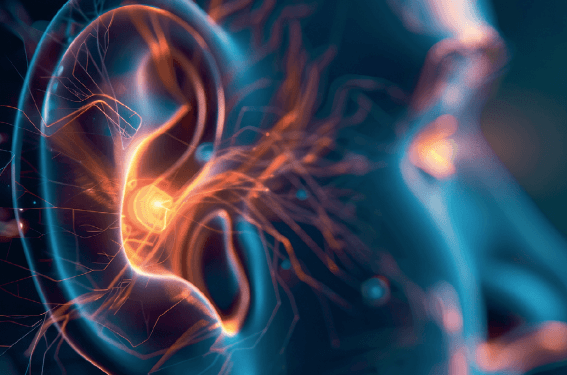
Why it matters:
The auditory system rapidly signals threats; unpredictable sounds cause attention fatigue.
What it feels like:
Rain's cadence encourages deep breaths, in contrast to the commotion on the roadside.
What the science says:
Nature sounds with fractal variability speed up parasympathetic recovery by 37% compared to urban noise.
Practical tests:
Play low-level rain or ocean tracks at a consistent volume during work.
Add acoustic textiles such as rugs and curtains to dampen echoes.
Zone sounds: Ambient in living areas and quiet near sleeping areas.
Beginner trick:
Use a 20-minute nature loop for a task and note the reduction in interruptions.
Luminal Fractals — Calm Through Light
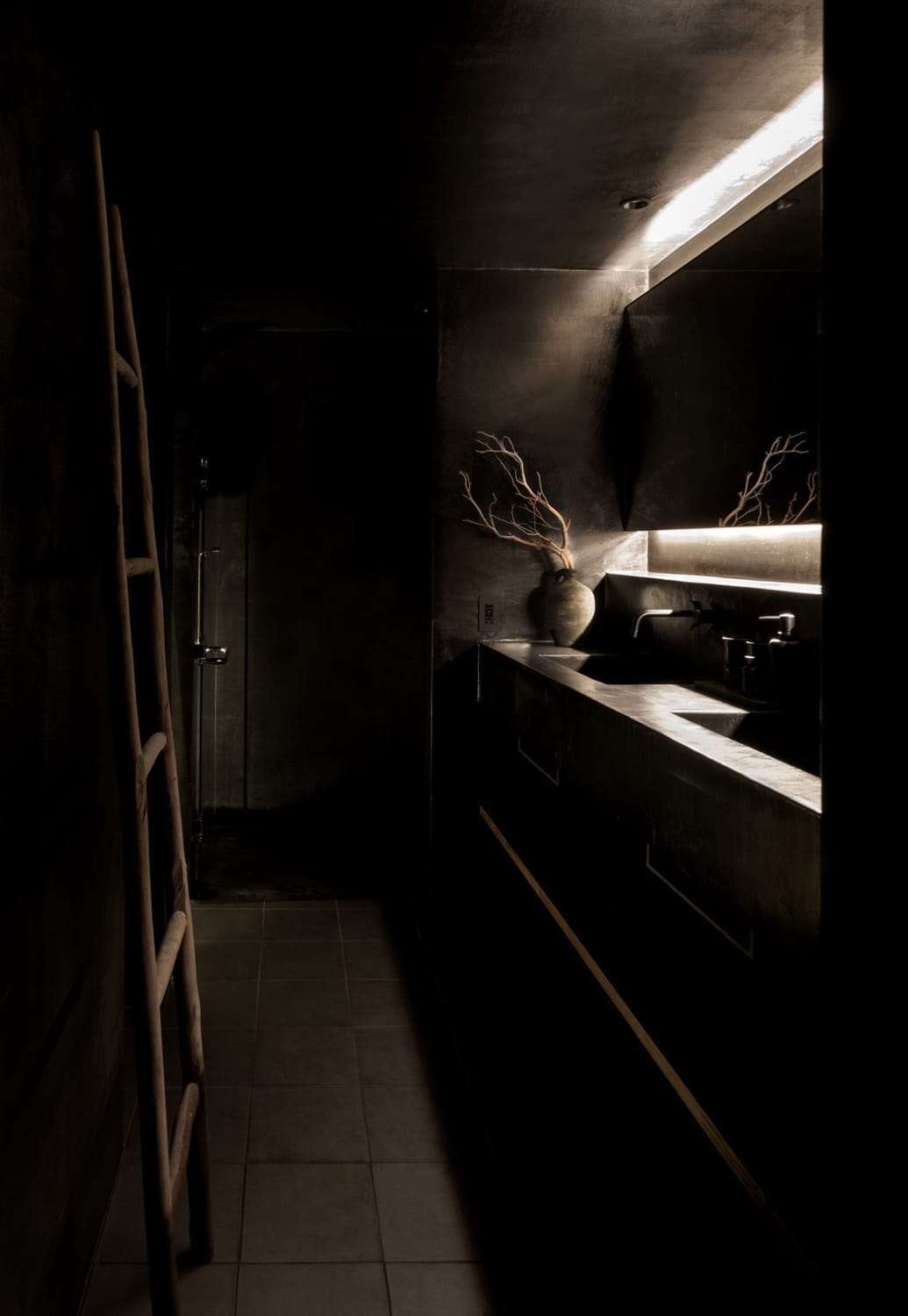
Why it matters:
Light has an effect on the secretion of hormones; however, the presence of flat, artificial light has been demonstrated to disrupt the secretion of melatonin and cortisol.
What it feels like:
A sunset naturally relaxes you, whereas poor indoor lighting stimulates you.
What the science says:
Exposure to blue light in the evening suppresses melatonin by 50%, whereas layered biophilic cues reduce disturbances by 60%.
Practical tests:
Adopt three-point lighting: Warm floor/table lamps and dimmable sconces.
Use amber tones in the evening and daylight bulbs in the morning or use a sunrise alarm.
Try red/amber light therapy nightly to improve sleep quality.
Beginner trick:
Swap an overhead for a warm lamp; track weekly pre-sleep calm.
Tactile Fractals — Calm Through Touch
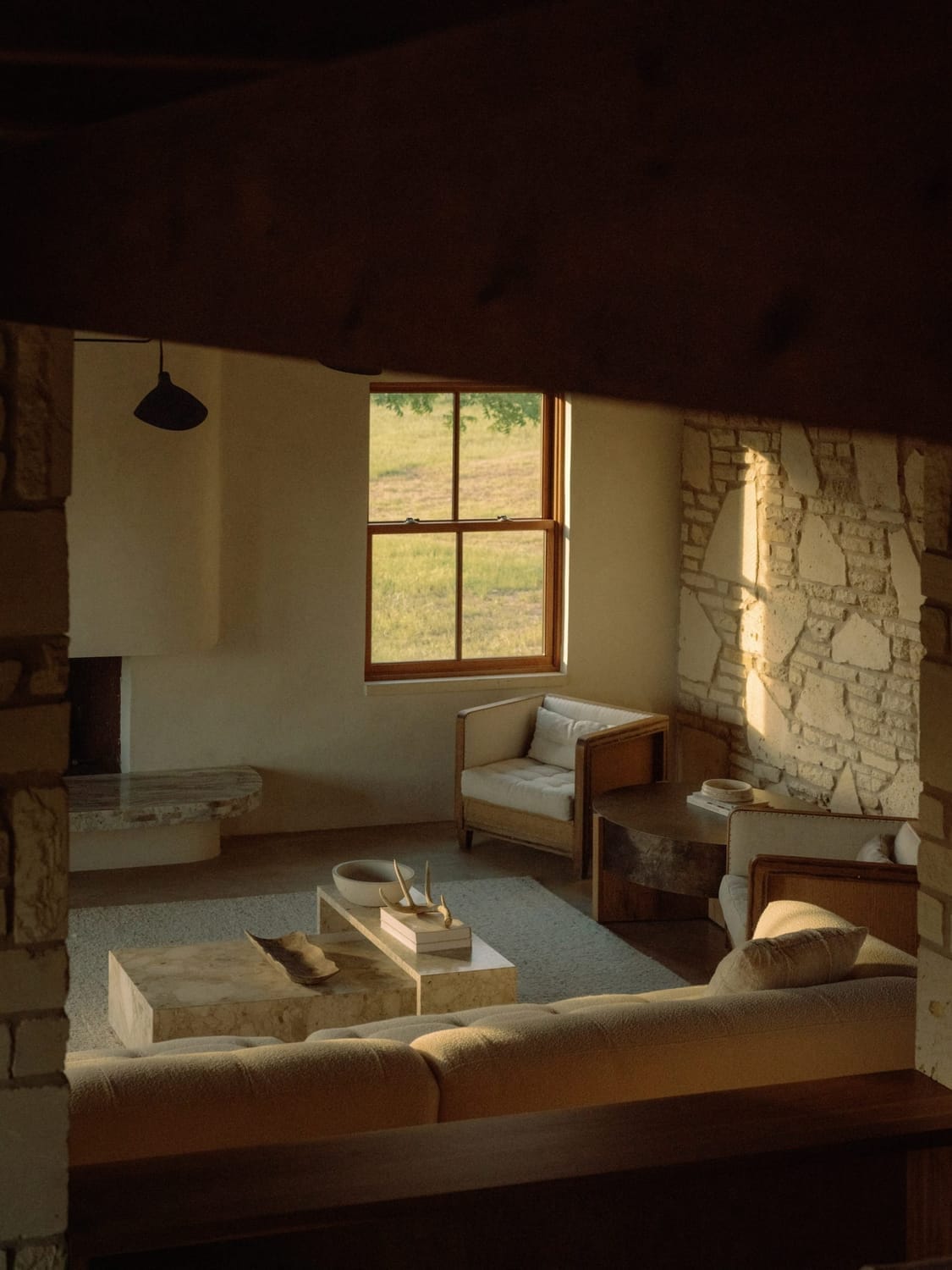
Why it matters:
Skin signals safety quickly, boosting vagal tone amid oestrogen fluctuations.
What it feels like:
Natural materials such as wool, silk, linen and bamboo stimulate both the fast and slow touch receptors in your skin, transmitting calming signals throughout the nervous system.
This gentle, multi-textured stimulation activates the parasympathetic nervous system, which is responsible for the body's rest-and-recover response, while quietening the amygdala, the part of the brain responsible for processing stress.
What the science says:
Exposure to blue light in the evening suppresses melatonin by 50%, whereas layered biophilic cues reduce disturbances by 60%.
Practical tests:
Adopt three-point lighting: Warm floor/table lamps and dimmable sconces.
Use amber tones in the evening and daylight bulbs in the morning or use a sunrise alarm.
Try red/amber light therapy nightly to improve sleep quality.
Beginner trick:
Swap an overhead for a warm lamp; track weekly pre-sleep calm.
Multisensory Coherence: Why the Senses Must Agree
Homes with natural complexity act as stabilisers for the nervous system, improving focus and emotional regulation.
The brain detects safety when the senses are aligned — warm light, gentle sound and natural fabrics signal 'safe'. Incoherence (e.g. bright light and harsh noise) increases cognitive load.
Start with one sense and add more as improvements emerge. Spence's Sensehacking (2020) demonstrates that coherent cues can reduce perceived stress by up to 40%. This unity can transform feelings of overwhelm into feelings of calm.
Environmental Psychology and Hormonal Safety: The Fractal Home™
Fractals align with environmental psychology, in which reduced load is achieved through coherence. According to Kaplan's theory, nature restores cognition by 20–40%. Berman et al. (2012) have also linked nature to mood enhancement. While minimalism can lead to deprivation,
Sensory Coherence Design™ offers a sense of security through its structured approach. Aron's SPS research (1997) reveals that 20% of individuals, often women, process information deeply, a tendency that is amplified during menopause.
The Fractal Home™ framework unifies the senses, making homes hormone allies via neuroinclusive principles and improving well-being by 25–35%.
Every surface you touch, every pattern you see, every sound you hear is shaping your hormone story.
The Design Framework: Your Path to Sanctuary
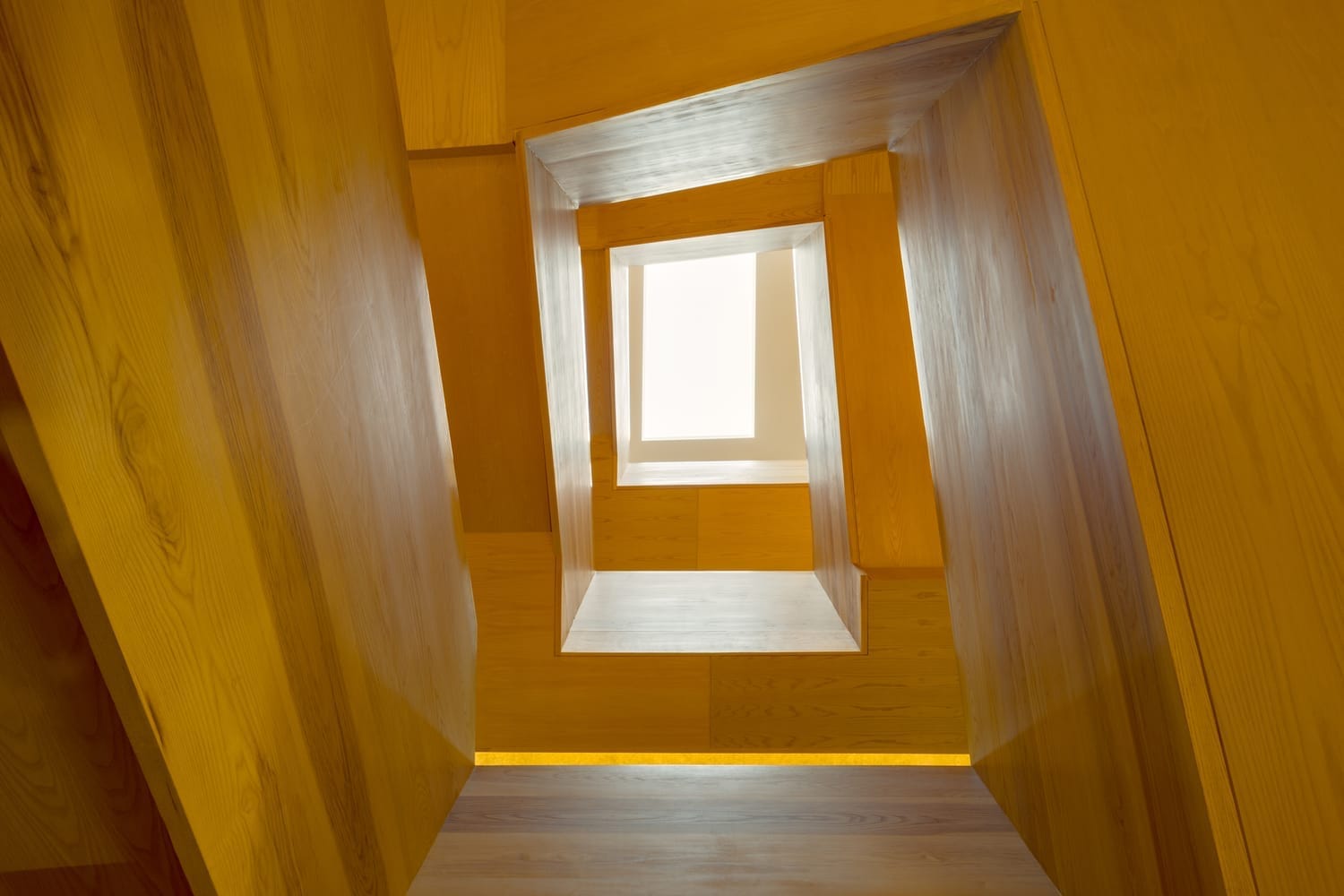
Translate theory with the Four-Sense Framework. Micro-shifts by zone:
Kitchen/Workspace: Fractal art or wood board (Visual/Tactile).
Bedroom: Amber lamps (Luminal), linen bedding (Tactile).
Living Room: Textured rug (Acoustic), avoid unbroken flats (Visual).
A practical 7-day starter plan (what to test this week)
Day 1 – Visual: Add one nature print or swap a pillow for a natural-pattern textile. Sit and observe for 10 minutes.
Day 2 – Sound: Play a rain loop for two 20-minute blocks. Note attention and mood.
Day 3 – Light: Replace your bedroom overhead with a low, warm lamp at night. Track sleep latency.
Day 4 – Touch: Swap your most-used knit or blanket for linen or wool. Notice muscle tension.
Day 5 – Combine two cues: Visual + tactile in a reading corner. See how quickly you relax.
Day 6 – Acoustic tweaking: Add a rug or curtain to deaden echo. Observe noise sensitivity.
Day 7 – Reflection: Journal energy levels, sleep, and mood changes. Decide which tweak to scale.
Small, repeatable experiments are more persuasive (and sustainable) than dramatic renovations.
Download our Fractal Flow Mapping Checklist: Is Your Home Draining or Recharging You? to identify chaos zones.
For Designers and Clinicians: How To Position This with Clients

1. Lead with validation. Start conversations by naming the experience: 'You’re not imagining the sensory amplification — the brain is changing'.
2. Offer micro-tests, not directives. Clients are more likely to try a pillow swap or a lamp than a full redesign.
3. Measure change. Use simple client tracking (sleep journal, 10-minute calm check) to show impact.
4. Design for the type of sensory profile. Some women are tactile regulators; others are sound seekers. Build options, not orthodoxy.
Caveats and Nuance
Make precise claims. Individual variance is real.
Not every woman will experience a 44% reduction in cortisol levels from viewing a single piece of artwork; research shows that there are ranges and averages across study populations. Additionally, some midlife brains may respond better to auditory or tactile cues than to visual input. It is the practitioner's job to match the intervention to the individual.
Approach it with a mindset of probability and experimentation: these are evidence-based interventions that, when applied thoughtfully, increase the likelihood of achieving measurable calm.
A Final Message To Empower You
Your brain is rewriting its operating system; your home should be the quiet lab that helps it do that.
Design is changing. It is moving away from consumerism. It is moving towards nervous system care.
Your sensory fingerprint is unique, so attune spaces accordingly. Chatterjee and Vartanian (2016) demonstrate that aesthetics can encourage self-reflection during transitions. Fractals speak of safety; learn to listen.
Are you ready to design for your nervous system?
Explore our services or join the coaching waiting list by being a part of the WhatsApp group 'The Midlife Sanctuary'. This is where you will receive updates on new research, articles as they go live and enrolment dates for the upcoming Reinvention Mastery and Essentials Coaching Program.
Take Action Today
If something in this article named an experience you have been carrying without language for it, there is a structured path forward.
Understand Your Sensory Architecture First
Before any design decision is made, your nervous system's relationship with your environment needs to be decoded. The Sensory Intelligence Diagnostic is where that begins. It is not a questionnaire or a moodboard exercise. It is a neuro-architectural assessment that maps your sensory thresholds, identifies the friction zones inside your current home, and produces a precise written report that can be taken directly to your interior designer, architect, or used as the foundation for your own implementation.
Without this baseline, design decisions remain aesthetic speculation. With it, they become neurophysiological calibration.
Request the Sensory Intelligence Diagnostic →
Go Deeper at Your Own Pace
If you would prefer to begin exploring and implementing changes independently, the e-guides offer practical, neuropsychology-grounded strategies you can work through in your own time and at your own pace.
Track Your Environment Over Time
The Sentient Home application was built to extend this work into daily life. It tracks your nervous system's response to your home environment over time, delivers micro-adjustments to light and sound based on your live bio-rhythms, and gives you the tools to audit any space for biological safety.
It is the ongoing infrastructure for everything the Diagnostic begins.
Explore The Sentient Home Application→
When you are ready for a guided redesign of your home, i offer interior design services that is informed by our methodology, The NeuroDesign Blueprint™.
Frequently Asked Questions: Fractals, Hormones, and Home
1. What is the difference between neuroaesthetic design and biophilic design?
Neuroaesthetic design is the scientific application of art and design principles that specifically impact the brain's physiology. While biophilic design is about connecting occupants to nature (often using fractals), neuroaesthetics is more targeted. For midlife women, this means selecting materials, patterns and lighting based on their measurable neurological impact, such as reducing cortisol levels, activating the parasympathetic nervous system and improving cognitive fluency, rather than focusing solely on aesthetics.
2. I have a very minimalist, modern home. Will I have to redecorate everything?
Absolutely not. The Fractal Home™ framework does not prescribe a style; it attunes your existing space. You don't need clutter or major redesigns. You can introduce fractal patterns through small, low-commitment elements, such as a new linen throw (Tactile), organic wallpaper on an accent wall (Visual) or soft, layered lighting instead of harsh overhead bulbs (Luminal). We focus on micro-shifts that generate significant neurological change while respecting your existing style.
3. How quickly can I expect to feel the stress-reducing effects of fractal design?
The physiological effects can be surprisingly fast. Studies show that viewing mid-range fractal patterns can reduce physiological stress markers by up to 44% in just 10 minutes (Hägerhäll, 2015). Similarly, tactile changes, such as switching to natural bedding, activate the parasympathetic system within seconds. Consistent exposure to these coherent sensory cues builds cumulative resilience, leading to sustained improvements in sleep and focus within 7–14 days.
4. How can I identify patterns with the 'right' fractal complexity (1.3–1.5)?
You don't need a degree in mathematics! The easiest way to find patterns within this range is to look for natural, organic patterns of moderate complexity.
Think of patterns found in:
The tight weave of natural linen or wool (tactile/visual).
The visible grain of natural wood or stone.
Art and textiles that mimic riverbeds, ferns or clouds.
Avoid very simple geometric patterns such as stripes or blocks, and overly busy, chaotic patterns. Look for a sense of predictable flow.
5. If my biggest problem is severe perimenopausal brain fog, which sense should I focus on first?
While all four senses are connected, if brain fog and low energy are your main issues, you should prioritise Luminal Fractals (light) and Acoustic Fractals (sound). Brain fog is often a symptom of poor circadian regulation (light) and cognitive overload (sound). Start by correcting harsh evening light cues and eliminating low-level mechanical hums to immediately reduce cognitive load and help your brain conserve energy.
Selected Citations & Further Reading
Hägerhäll et al. (2015). Human stress reduction through fractal patterns. Frontiers in Human Neuroscience.
Mosconi et al. (2017). Menopause impacts human brain structure and metabolism. Scientific Reports.
Alvarsson et al. (2010). Stress recovery during exposure to nature sounds. IJERPH.
Cajochen et al. (2011). Evening light exposure and circadian delay. JCEM.
McGlone et al. (2014). Affective touch and parasympathetic activation. Nature Reviews Neuroscience.
Kaplan (1995). Restorative benefits of nature. Journal of Environmental Psychology.
Spence (2020). Sensehacking. Penguin Life.
Want expert help designing a home tailored to your cognitive needs? Book a 1-hour Home Diagnostic Consultation today.
Let’s create a space that enhances your focus, creativity, and mental well-being. Book your1-hour Home Diagnostic Consultation to create a brain friendly and supportive home.

SHARE




POST CATEGORY