

Brain-Friendly Home Offices: How to Design a Space for Maximum Focus
A Responsive Home Office: The Interior Design Principles That Boost Productivity
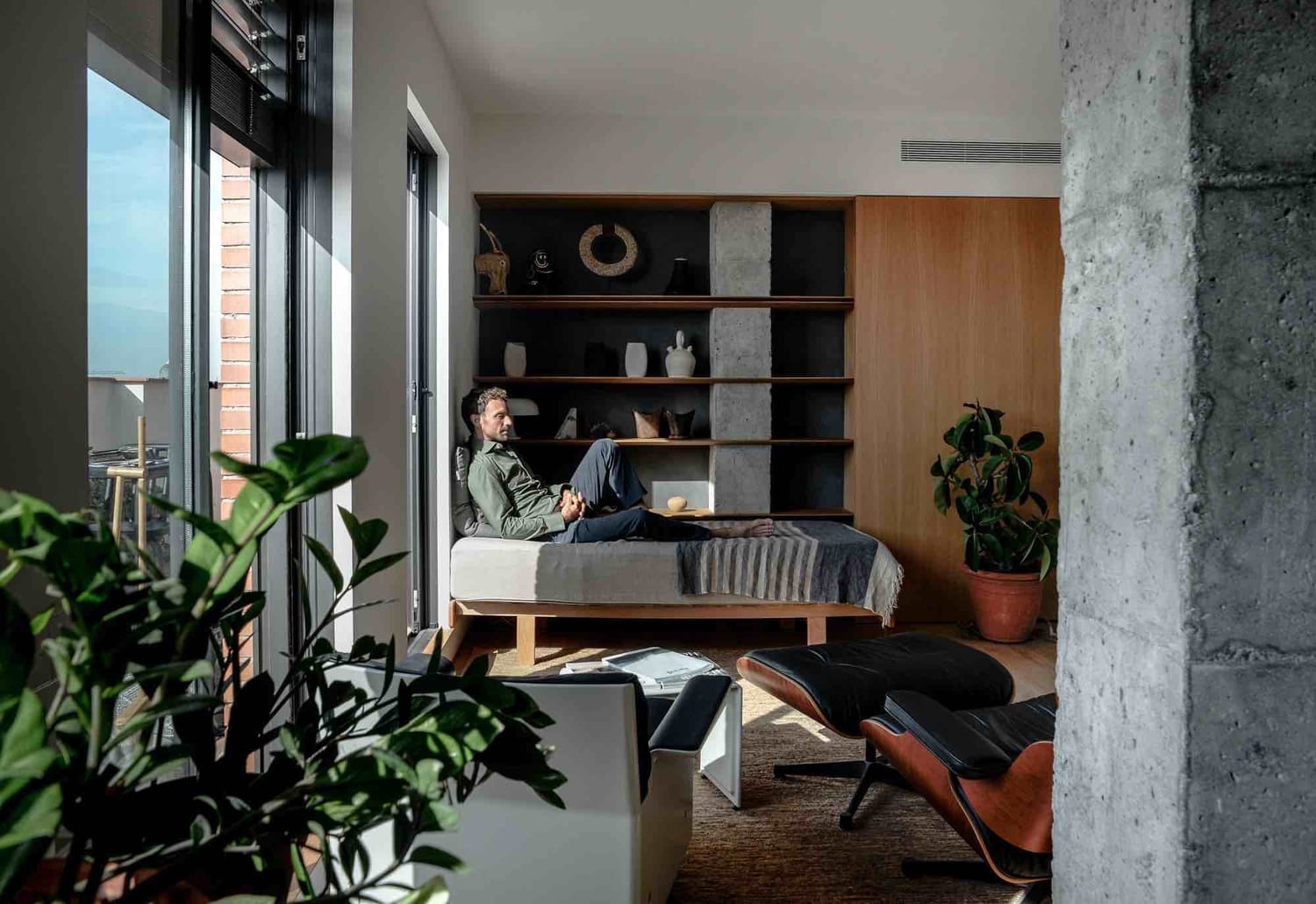
Working from home has become the new normal for many.
The biggest question is: does your home office support your brain’s ability to focus, problem-solve, and stay productive? If your workspace leaves you feeling mentally drained, restless, or unfocused, the issue may not be your workload—it could be the design of your environment.
Why is this so? The answer is, the way we set up our workspaces has a direct impact on cognitive performance, stress levels, and overall well-being.
In January, i transitioned into being a full time entrepreneur, and because the stage of my business i am in is largely digital, i find myself spending a very large chunk of my day in front of my computer.
A few things had to change and i had to implement the zoning strategy i so often talk about on my social media platforms, because it is very easy to use a workspace for entertainment and meal times.
Those habits, while it might be seen as multitasking, is not an ideal way to train my brain to task switch effectively.
This was one of the strategies i implemented, as well as a much needed ergonomic chair that ticked the boxes of beautiful, supportive and functional.
Anyway, enough about me. Let us dive into the journal entry of the day. We are exploring how integrating principles from neuropsychology into interior design, we can create a home office that works with our brain, not against it.
Let's explore how to achieve this.
The Science of Focus: How Your Environment Shapes Your Brain
Our environment plays a pivotal role in shaping our thoughts, emotions, and behaviours.
The brains is not static. It is an active and core player in behavioural outcomes and habits, and it is constantly processing the world around us—even when we’re not consciously aware of it. Everything from lighting, spatial layout, and colour to clutter, sound, and natural elements affects how we think, focus, and regulate stress.
The field of neuroarchitecture explores this intricate relationship, examining how architectural elements impact our neural responses.
For instance, studies have shown that certain spatial configurations can either elevate stress levels or promote relaxation, directly affecting our ability to concentrate and perform tasks efficiently.
There is an interesting read by Yale university Press explores the role of visual clutter in our environments and how it affects the brain. Read it here
Another interesting study by Weijie Zhong et al, 2022, supports the science of biophilic design by incorporating natural light exposure and how it regulates circadian rhythms and improves mental clarity.
Integrating biophilic design elements is one of the core elements of my Neuropsychology framework because it taps into our innate connection to nature, which in turn fosters wellbeing, reduces stress and increases productivity .
When we follow these core principles and intentionally adapt them to our interior spaces, we can transform our workspaces into a high-performance environment that enhances focus, creativity, and mental resilience.
Let us start by explorong lighting.
Lighting: Synchronising with Your Circadian Rhythmfor Productivity & Mental Clarity
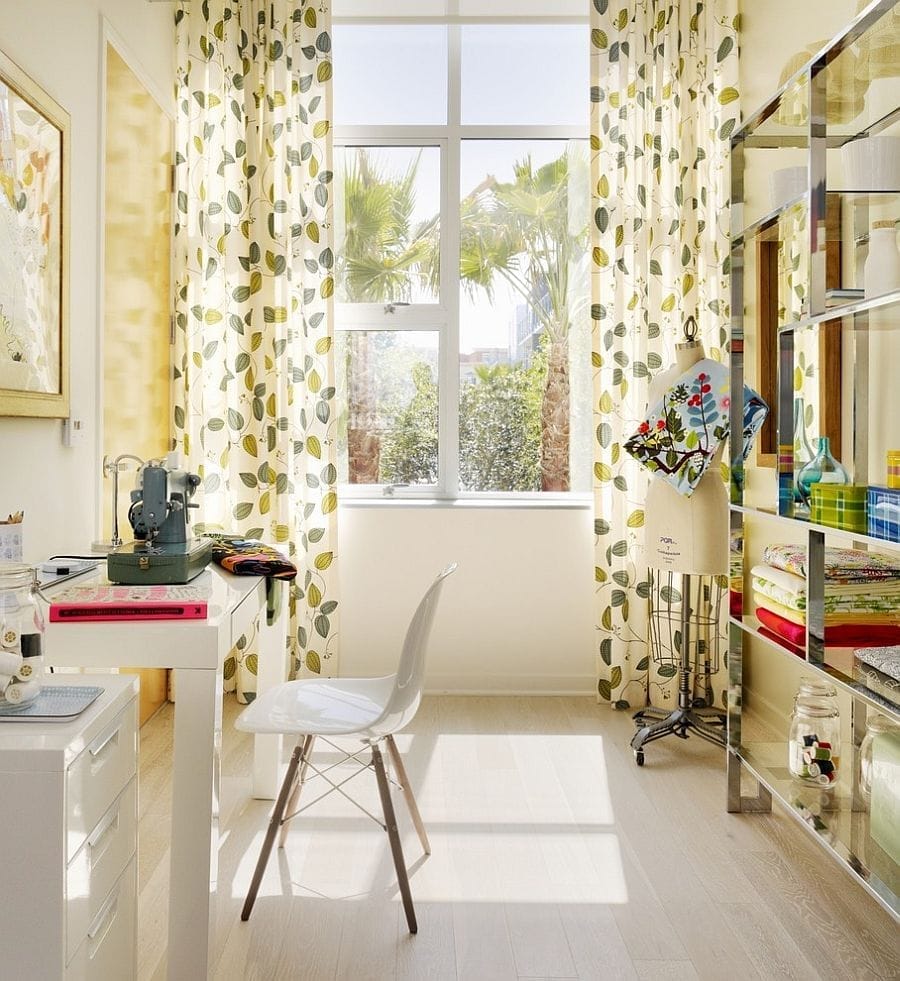
Lighting is one of the most overlooked factors in home office design—but it has such a huge impact on brain function.
Poor lighting can cause eye strain, fatigue, and disrupted sleep cycles, while proper lighting optimises alertness and cognitive performance.
Proper lighting is essential for maintaining a brain-friendly home office and regulating our circadian rhythm, also commonly known as the sleep-wake cycle.
If you want to optimise your workspace to integrate lighting that supports your body's circadian rhythm, consider using full-spectrum bulbs that mimic daylight exposure and which changes temperature in the evening / night to prepare the body for restful sleep, and consequently improving focus and productivity during work hours.
To optimise lighting in your home office, here are 3 rules of thumb to follow:
✔ Maximise Natural Light Whenever Possible: It regulates melatonin and cortisol, balancing wakefulness and rest.
✔ Install Adjustable Task Lighting: Use lighting in the daytime colour spectrum for daytime focus, and transition to warm-toned lighting for evening work.
✔ Reduce Blue Light Exposure at Night: Avoid harsh overhead lighting to prevent cognitive overstimulation before bed.
Visual Complexity: Balancing Order and Stimulation
Your brain thrives on a balance between structure and variety.
Visual complexity in interior design involves the arrangement of diverse elements to create an engaging yet balanced space. Designers manipulate this complexity through material choices, colour palettes, furniture styles, and the interplay of light and shadow.
A high degree of visual complexity can energise a space, while too much can be overwhelming.
In order to achieve balance, you must carefully consider the principles of design.
Designers use contrast, repetition, and focal points to establish order amidst complexity, guiding the eye and preventing visual chaos. This balance promotes both stimulation and a sense of calm, fostering a comfortable and visually appealing environment.
How to Optimise Visual Complexity in Your Home Office:
✔ Use Structured Patterns: Use symmetry in furniture placement but introduce variety with textures.
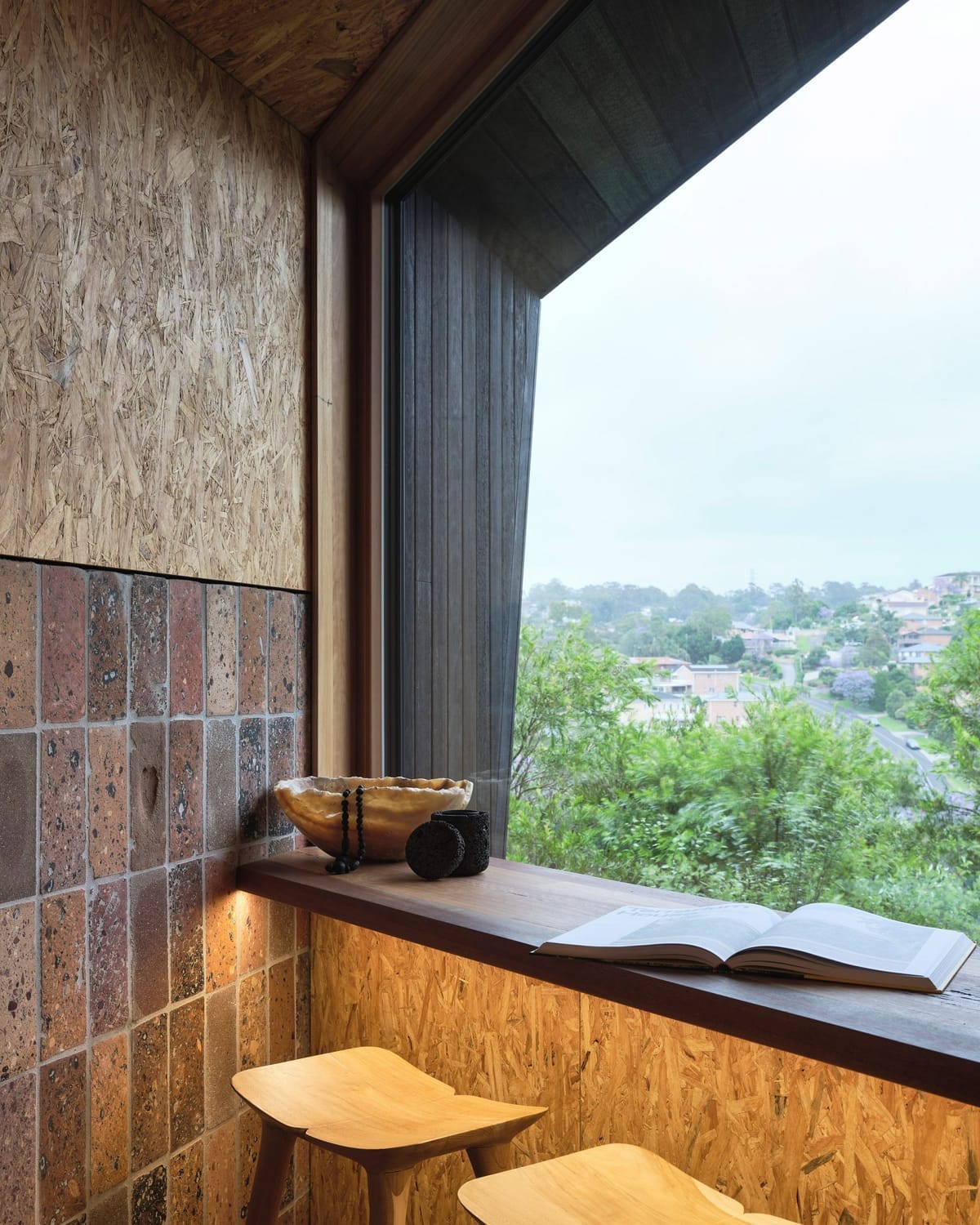
A brilliant example is this simple home office by Alexander Syms that is an homage to natural textures with a pairing of smooth and textured, and repetitive elements on varying scales.
✔ Avoid Overwhelming Décor: Too many elements can create visual chaos. Keep the workspace intentional and uncluttered.
✔Introduce Biomorphic Forms: Incorporate nature-inspired shapes in furniture and artwork to enhance cognitive ease.
Colour Psychology: Harnessing Hues for Enhanced Focus
Colour use profoundly influence our psychological state.
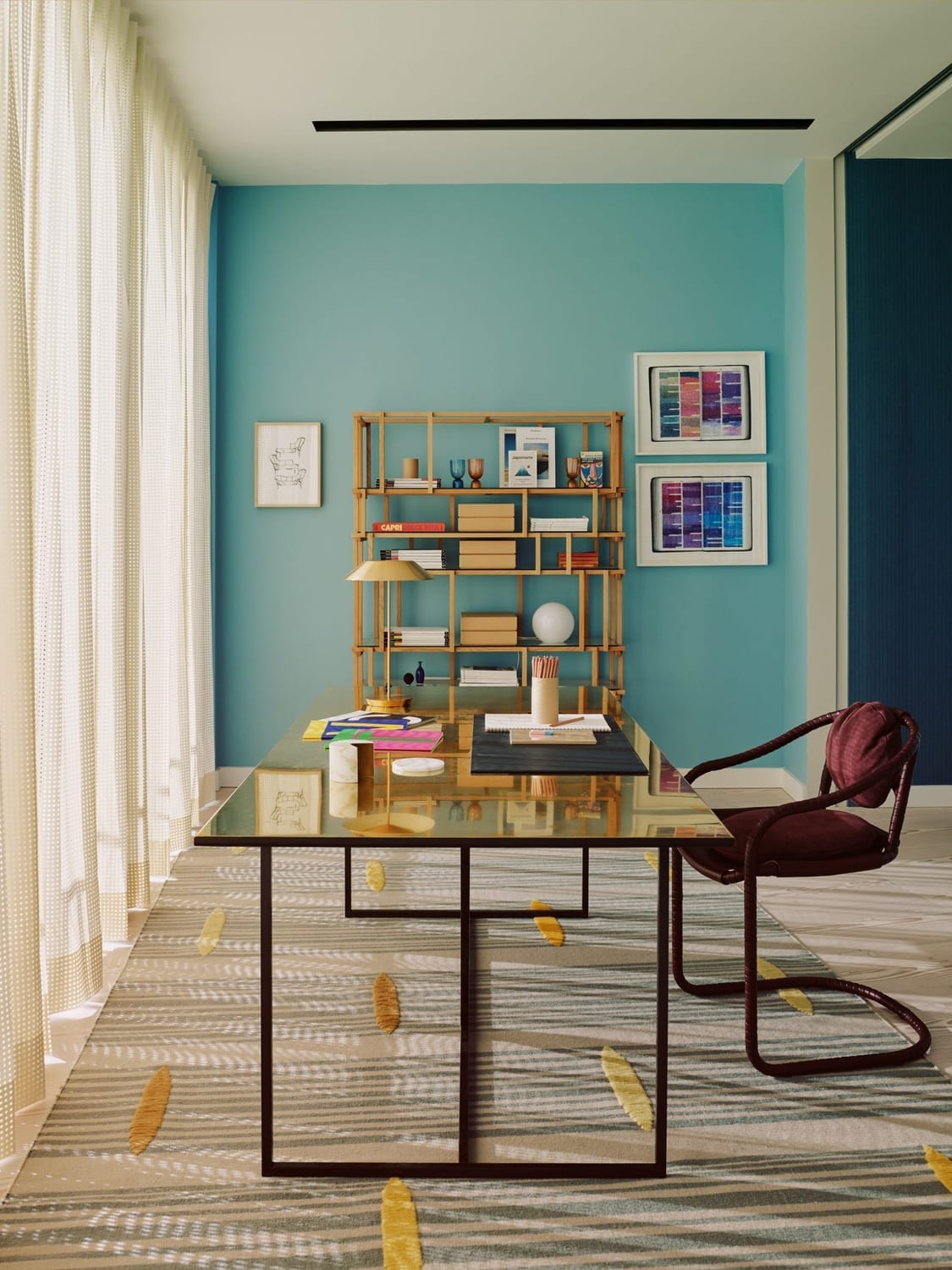
For example, calm colours like green is balancing and blue tones are associated with calmness and can enhance concentration, making them suitable for work environments.
Conversely, excessive use of vibrant colours like red may increase anxiety and distractibility.
It is important to understand how colour hues influence your cognitive function. If you like the colour red, for example, using toned down hues of red with undertones of earth tones will calm an otherwise excitable colour.
Selecting a colour palette that aligns with your desired cognitive and emotional outcomes is crucial in designing a brain-friendly workspace.
Symmetry & Order: The Power of Predictability
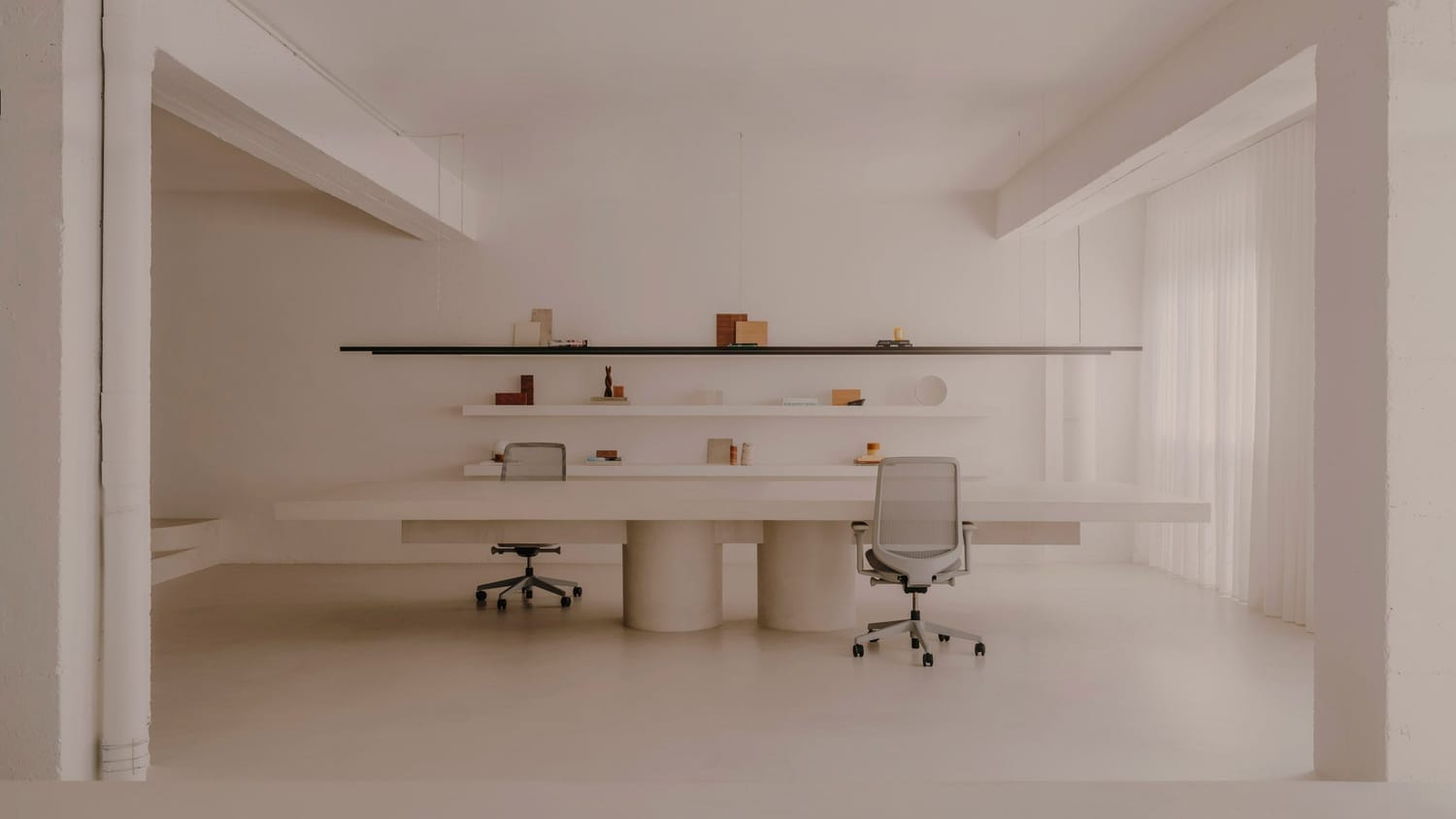
The human brain craves a balance between symmetry and variation. Predictable layouts create a sense of stability, but introduce visual interest by including small asymmetries to keep spaces engaging, but not overly stimulating.
How to Apply Symmetry & Order:
✔ Balanced Layouts: Align desks and shelves symmetrically for mental ease.
✔ Introduce Organic Elements: Avoid rigid perfection—use curved décor, asymmetrical lighting, or layered textures to introduce visual interest and variety.
✔ Example: A workspace with a perfectly symmetrical desk setup but an asymmetrical bookshelf and organic-shaped décor creates a dynamic yet structured environment.
Soundscaping: Managing Auditory Inputs & Minimising Distractions for Deep Work
Noise pollution is one of the biggest barriers to home office productivity but its intensityand tolerance is highly subjective. While some people thrive in environments with background noise, others require quiet, controlled environments to focus.
Either way, it is important for you to be the detective, even if you think you have a high tolerance for intrusive noises, you may be sabotaging optimising your productivity without being aware.
This is where working with a clear framework is important: AWARENESS (investigation and analysis), RECALIBRATION (building a design toolkit and executing in stages) and INTEGRATION & LASTING CHANGE (ensuring that your space evolves with you)
Because environmental noise can significantly impact cognitive performance, incorporating sound-absorbing materials, white noise machines, or personalised playlists can help manage auditory inputs, creating an environment conducive to individual work preferences.
How to Manage Noise Pollution in Your Home Office:
✔ Soundproofing Solutions: Use rugs, curtains, and upholstered furniture to absorb sound.
✔ White Noise Machines: Block out distracting sounds with consistent background noise.
✔ Nature Sounds for Focus: Research shows that ocean waves, rainfall, or birdsong enhance cognitive performance.
Biophilic Design: The Power of Nature in Workspaces
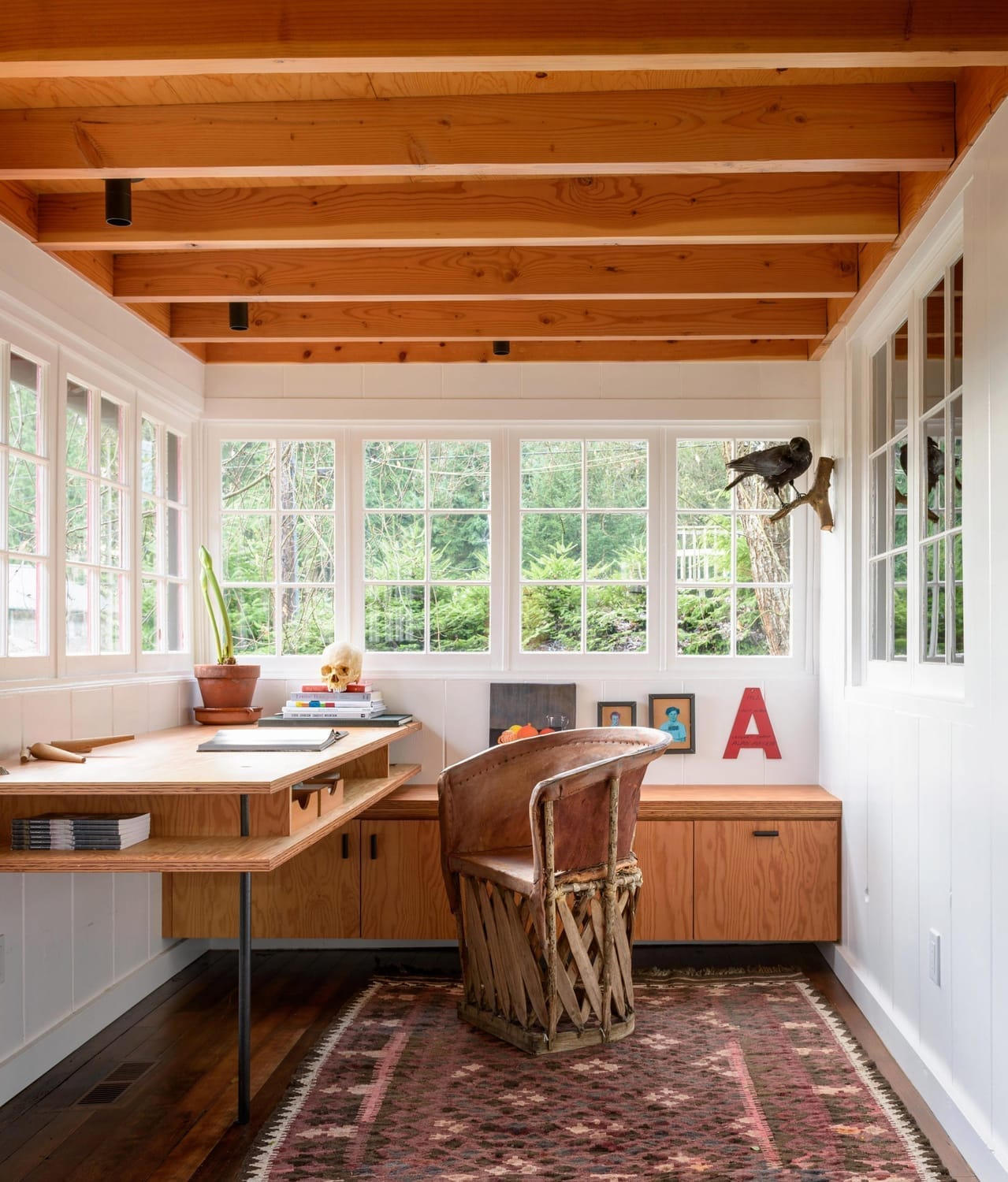
Humans are hardwired to connect with nature—yet most office spaces lack natural elements.
Biophilic design principles suggest that our connection to nature plays a crucial role in mental restoration and can improve focus and creativity in work settings.
Research shows that incorporating greenery, natural materials, sunlight and views of nature has been shown to significantly improve mood, memory, focus, and enhance cognitive function.
How to Incorporate Biophilia into Your Office:
✔ Maximise Natural Light: Position your desk near a window to enhance alertness.
✔ Introduce Indoor Plants: Even one potted plant can boost cognitive function by 15% Kaplan & Kaplan, 1989.
✔ Use Natural Materials: Opt for wooden desks, stone textures, or water features to create a restorative environment.
Thigmotaxis: Why We Feel Safer at the Edges of a Room
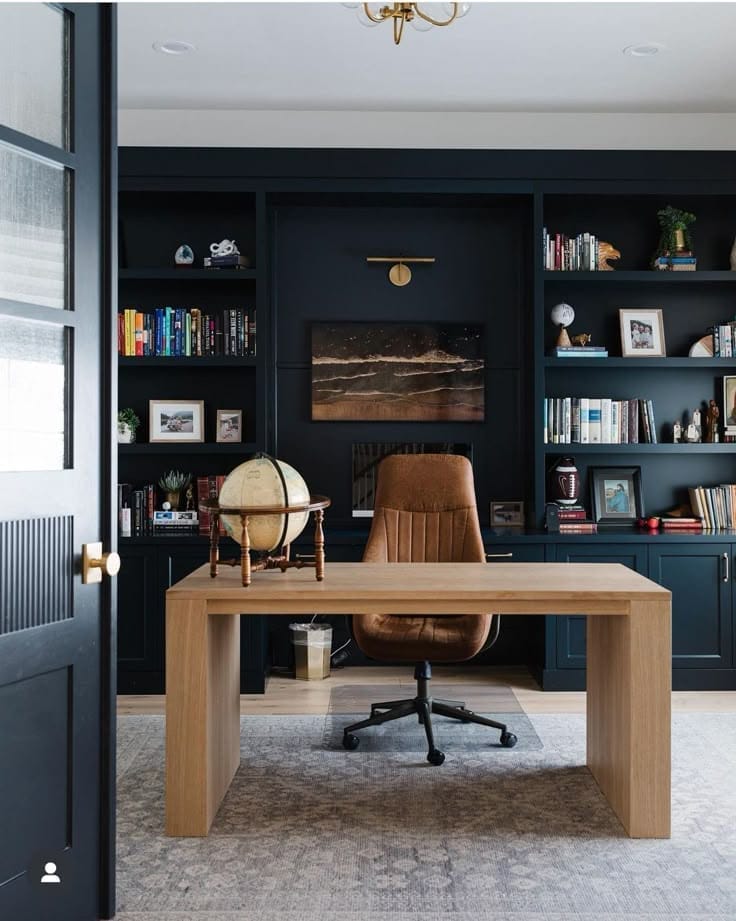
Have you ever noticed how you instinctively choose a seat near a wall in a café rather than the middle of the space? That is thigmotaxis in action—our natural preference for positioning ourselves near boundaries rather than in open, exposed areas.
From an evolutionary perspective, humans have always sought shelter and protection in their environments. Early humans preferred caves and tree canopies for safety, and that instinct remains deeply embedded in our subconscious today.
Neuroscience confirms that people feel more at ease in spaces with defined edges and some degree of enclosure, while overly open environments can trigger low-level anxiety or restlessness.
The Feng Shui Connection: The Command Position and Spatial Security
Interestingly, thigmotaxis aligns with key Feng Shui principles, particularly theCommand Position—a foundational rule in Feng Shui that dictates optimal desk and seating placement.
- Your workspace should be positioned against a solid wall to create a sense of stability and security.
- Avoid sitting with your back to an open space or doorway, as this can cause subconscious stress. Instead, face the entrance while keeping some protective structure (like a wall or bookshelf) behind you.
- Partial enclosures like partitions, bookshelves, or plants can provide a sense of safety while maintaining openness.
This intriguing combination of neuroscience and ancient spatial wisdom shows that our brains are designed to crave balance between security and openness—a workspace should feel grounded and protected without being claustrophobic.
How to Apply Thigmotaxis in Your Home Office
To create a workspace that feels safe, focused, and mentally supportive, consider these design adjustments:
✔ Position your desk against a wall or in a corner to provide a sense of enclosure.
✔ Ensure you have a clear view of the room’s entrance—this enhances a feeling of control and reduces distraction.
✔ Use partitions, plants, or bookshelves to subtly define different work zones while maintaining an open, breathable space.
✔ Avoid placing your back to an open doorway or large window, as this can create a subconscious sense of vulnerability.
Optimising Spatial Layouts for Maximum Focus & Intuitive Use
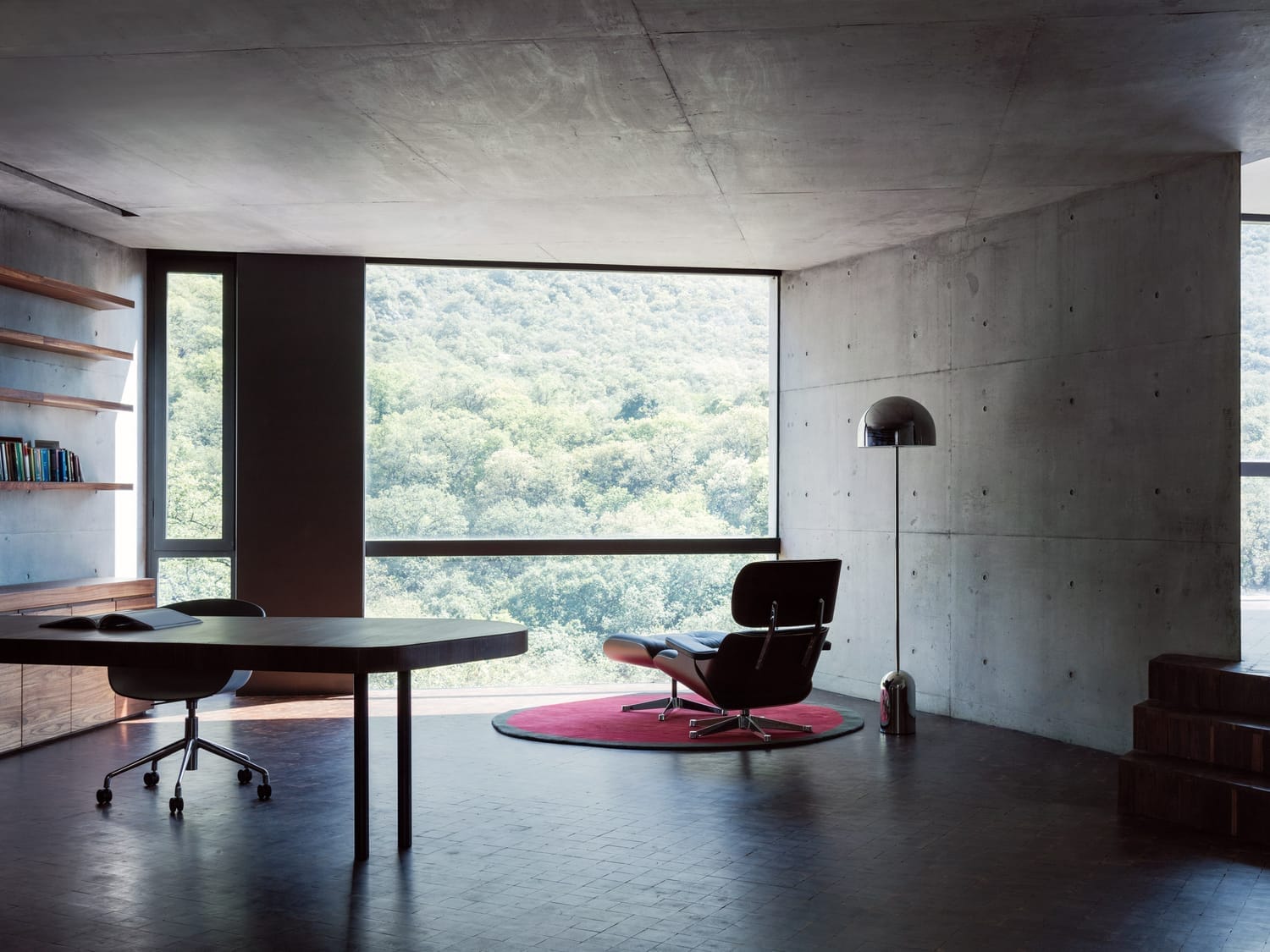
Your home office layout isn’t just about fitting a desk and chair into a room—it directly affects how efficiently your brain processes information, organises tasks, and maintains focus.
A well-planned workspace should allow for seamless movement and effortless interaction with work tools. Poor layout creates cognitive friction, making simple tasks feel more exhausting, leading to subconscious distractions, mental fatigue, and decreased cognitive function.
A well-designed workspace should:
- Encourage a smooth flow of movement (so you’re not squeezing between furniture or feeling cramped).
- Minimise cognitive distractions (keeping frequently used items within reach and unnecessary clutter out of sight).
- Create a clear distinction between work and relaxation zones so your brain associates your office with productivity, not stress.
The Power of Spatial Zoning: Designing for Different Work Modes
Your brain thrives when it can task switch between different types of work effortlessly. Instead of cramming everything into a single workspace, consider breaking your office into activity-based zones:
Focus Zone (Deep Work & Concentration): This is your primary workspace—your desk, chair, and monitor setup should be distraction-free and ergonomically designed for long periods of focus. Position it away from busy areas or doorways to reduce interruptions.
Idea Zone (Creative Thinking & Problem-Solving): A separate area (a lounge chair, standing desk, or even a blank wall for brainstorming) that encourages free thinking and movement. Studies show that alternating between sitting and standing improves cognitive function and creativity.
Recharge Zone (Mental Reset & Breaks): Your brain needs rest to maintain peak productivity. Even in a small space, incorporating a reading nook, a meditation cushion, or a simple view of greenery can signal to your brain when it’s time to pause and refresh.
Designing a Brain-Friendly Home Office in Small Spaces
Not everyone has a dedicated office, but that doesn’t mean you can’t design a workspace that supports focus and efficiency. Small spaces require smart spatial solutions to optimise both functionality and mental well-being.
Space-Saving Solutions for Compact Home Offices
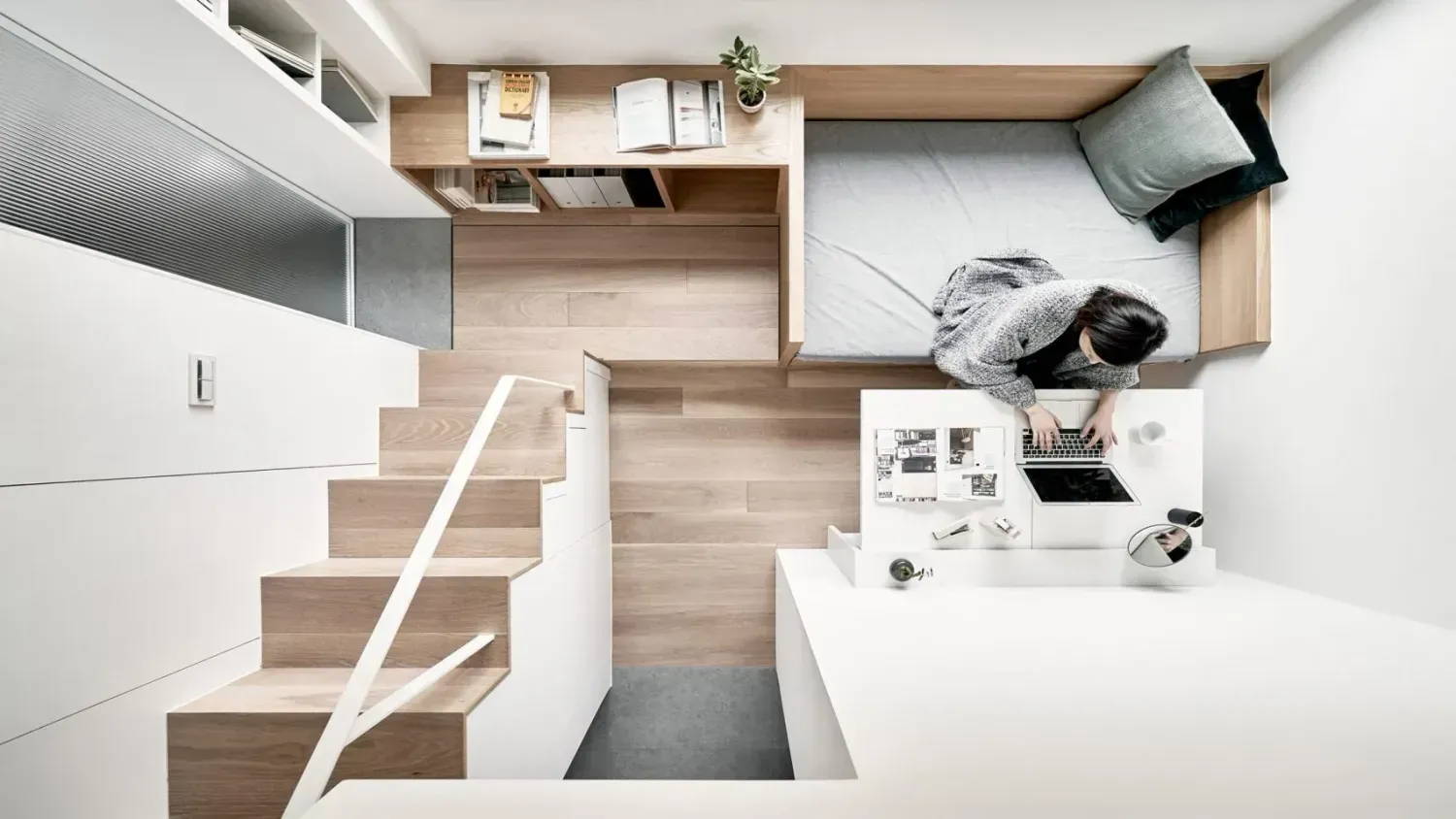
Multi-Functional Furniture – A wall-mounted desk or a foldable work table allows you to reclaim space when not working. Choose storage-integrated furniture like desks with drawers to reduce visual clutter.
Vertical Storage & Wall Space – Instead of cluttering your desk, use floating shelves, pegboards, or magnetic organisers to keep essential tools accessible but out of sight. This reduces cognitive load and visual distractions.
Defined Boundaries with Visual Cues – If your office is in a shared space like a bedroom or living room, use room dividers, rugs, or curtains to separate your work area from your relaxation zone. This helps your brain distinguish between work time and personal time.
Optimised Lighting for Small Areas – Compact workspaces often suffer from poor lighting, which can lead to eye strain and decreased focus. Use a combination of task lighting (desk lamps) and ambient lighting (LED strips or wall sconces) to create a well-lit but cosy environment.
Acoustic Control in Shared Spaces – If noise is an issue, install fabric wall panels, use a white noise machine, or invest in noise-canceling headphones to create a sound-buffered workspace that minimises distractions.
FAQs: Brain-Friendly Home Offices & Neuropsychology in Interior Design
Q1: How does my home office setup impact my focus and productivity?
Your home office directly influences your cognitive load, stress levels, and ability to concentrate. Poor lighting, clutter, improper ergonomics, and even colour choices can overstimulate your brain, leading to mental fatigue and decreased productivity. Designing your space with neuropsychology principles helps create an environment that supports focus, creativity, and well-being.
Q2: What is neuropsychology-based interior design?
Neuropsychology-based interior design applies scientific insights about how the brain processes space, light, colour, and sound to create environments that enhance mental clarity and emotional well-being. It goes beyond aesthetics to ensure your space works with your brain, not against it.
Q3: What colours are best for a high-focus workspace?
Blues & Greens: Enhance focus, reduce stress, and promote productivity.
Soft Neutrals: Provide a balanced, non-distracting background.
Avoid Overly Bright or Stimulating Colours (e.g.,neon tones) in workspaces, as they can increase anxiety and mental fatigue.
Q4: How does lighting affect concentration and brain function?
Lighting impacts your circadian rhythm, melatonin production, and overall energy levels. Exposure to natural light during the day helps regulate alertness and mood, while poor lighting (too dim or too harsh) can cause eye strain, headaches, and cognitive sluggishness. Full-spectrum, adjustable lighting that mimics daylight is ideal for sustained focus.
Q5: What role does clutter play in cognitive function?
Clutter creates visual noise, making it harder for the brain to process information efficiently. A messy workspace increases cognitive load, leading to faster mental fatigue and difficulty concentrating. Decluttering and organising your space reduces subconscious stress and enhances mental clarity.
Q6: How can biophilic design improve my work performance?
Biophilic design—integrating natural elements like plants, natural textures, and outdoor views—has been shown to lower stress, improve mood, and boost creativity. Studies suggest that exposure to nature-inspired spaces enhances cognitive function and overall well-being.
Q7: What’s the best way to reduce noise distractions in a home office?
To minimise noise-related distractions:
Use soft furnishings (rugs, curtains, upholstered furniture) to absorb sound.
Consider noise-canceling headphones or a white noise machine.
Arrange your office layout to reduce exposure to external noise sources.
Q8: How does ergonomic furniture support brain function?
Sitting in the wrong position for extended periods causes physical discomfort, and can lead to repetitive strain injury from extended misuse, which distracts your brain from focusing on work. Ergonomic chairs, standing desks, and proper monitor placement help maintain comfort and reduce fatigue, allowing for better concentration.
Q9: Can scent influence focus and productivity
Yes! Certain scents have been shown to stimulate cognitive function and alertness:
Peppermint & Citrus: Boost energy and focus.
Lavender & Chamomile: Reduce stress and promote relaxation.
Rosemary: Improves memory and mental clarity.
Q10: How can I tell if my home office is working against me?
If you often feel mentally drained, restless, distracted, or stressed while working, your environment may be overstimulating or poorly designed for focus. Pay attention to factors like lighting, noise, clutter, and ergonomics, and make adjustments to support brain-friendly work habits.
Q11: How can an interior designer help optimise my home office for focus?
A designer specialising in neuropsychology-informed interiors can:
Assess how your space affects your focus and mental well-being.
Recommend lighting, colour schemes, and layouts that enhance cognitive function.
Optimise soundproofing, ergonomics, and sensory elements to reduce distractions.
Final Thoughts
Designing an optimal workspace is about optimising brain function, reducing stress, and maximising productivity.
No matter the size of your workspace, the key is designing with intention. Whether it’s zoning your office for different types of work, maximising storage, or refining the flow of movement, the way you set up your space directly influences your ability to focus, problem-solve, and stay productive.
Designing a home office with an understanding of how environmental factors influence brain function can lead to spaces that not only look aesthetically pleasing but also enhance focus and productivity.
When you consider elements such as lighting, colour, ergonomics, organisation, sound, and natural components, we can create work environments that support cognitive well-being and efficiency- and that way, you can work smarter, not harder.
For personalised guidance in creating a workspace tailored to your cognitive and professional needs, consulting with an interior designer experienced in neuropsychological principles can provide valuable insights and solutions.
Want expert help designing a home office tailored to your cognitive needs? Book a 1-hour Home Diagnostic Consultation today.
Let’s create a space that enhances your focus, creativity, and mental well-being. Book your1-hour Home Diagnostic Consultationto uncover the hidden factors affecting your productivity.

SHARE




POST CATEGORY