

The Science of Minimalism: A Neuropsychological Framework for Calm, Focus & Sensory Ease
The Profound Promise of Brain-First Minimalism
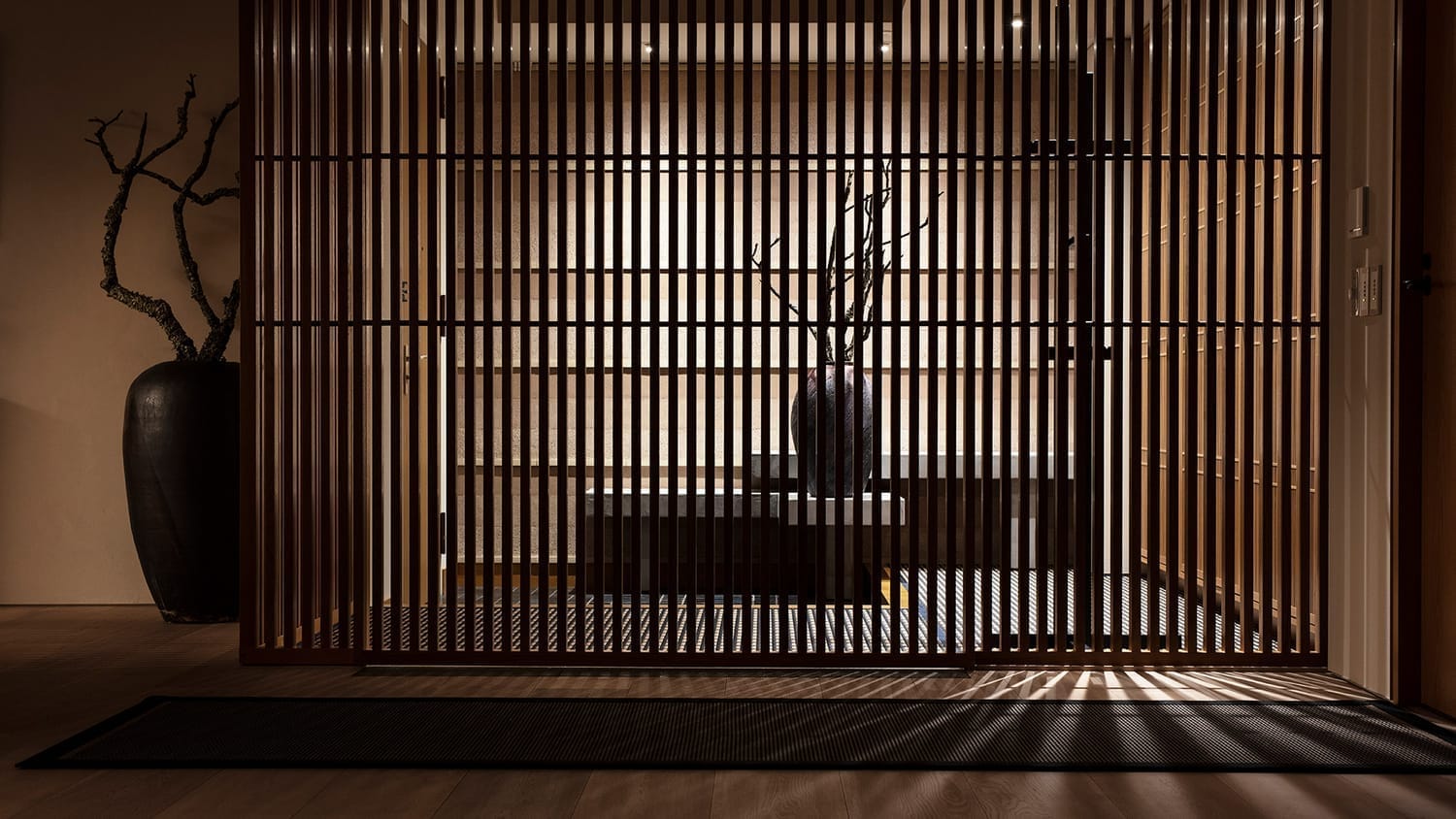
Minimalism has long been defined by a paring down of visually overwhelming elements in your interior spaces, and what it excludes from interior spaces: clutter, excess, and visual noise. And for a long time, my focus was solely on the concept of simple, clean lines and neutral tones, layered neutrals with a play on textured and smooth.
However, minimalism is much more than that. What if we reframed it in terms of what it adds?
Mental clarity. Emotional calm. Sensory ease.
This is the profound promise of Brain-First Minimalism: an approach to design where your environment actively supports the optimal functioning of your brain.
It goes beyond mere visual aesthetics or decluttering to offer a meticulously crafted framework for restoring cognitive vitality and emotional balance.
From a neuropsychological standpoint, our environments are never neutral. They constantly demand processing and shape our internal states in ways that we often overlook. While visual clutter is the most obvious form of this, minimalism's true power lies in addressing the deeper, often invisible cognitive and sensory load that our spaces impose on us.
Beyond Visual to Cognitive Release
The objective is not just a reduction in visual input; it is a fundamental reduction in the processing burden on the prefrontal cortex. This frees your executive functions ( your ability to concentrate, make decisions and remember things ) from constant filtering, tackling cognitive fatigue at its source.
Beyond Static Scenes to Dynamic Spatial Ease
True minimalist design makes it easy for your brain to 'read' your home. If your space has clear paths and everything is easy to find, your brain won't get tired trying to figure out where things are. This frees up mental energy for what truly matters.
Beyond Surface Tidiness to Unconscious Mental Clarity
Minimalism helps to quiet the little worries in your brain.
When you see unfinished tasks or things that quietly 'nag' at you, your brain continues to work on them in the background. Taking a brain-first approach helps you truly let go of these mental 'to-dos', calming that quiet anxiety and making it easier to make decisions.
Beyond Visual-Only to Multi-Sensory Regulation
While visually clean, a space can still overstimulate other senses.
However, smart minimalist design carefully selects lights, sounds, textures and even smells to prevent sensory overload. This tells your body to relax and switch from 'alert' to 'rest' mode, bringing deep calm.
Beyond Aesthetics to Physiological Resonance
Ultimately, this consistent reduction in cognitive and sensory burden leads to improved physiological well-being. It can positively influence the hypothalamic–pituitary–adrenal (HPA) axis, helping to regulate cortisol levels.
This, in turn, promotes hormonal balance, improves sleep quality and boosts overall stress resilience.
This is the science of neuropsychological minimalism — a powerful framework, particularly for individuals experiencing overwhelm, hormonal changes, anxiety, ADHD, or the pervasive stress of modern life. It is the design language your brain has been craving.
Minimalism as a Sensory Framework:
The 4 Layers of Neuropsychological Minimalism
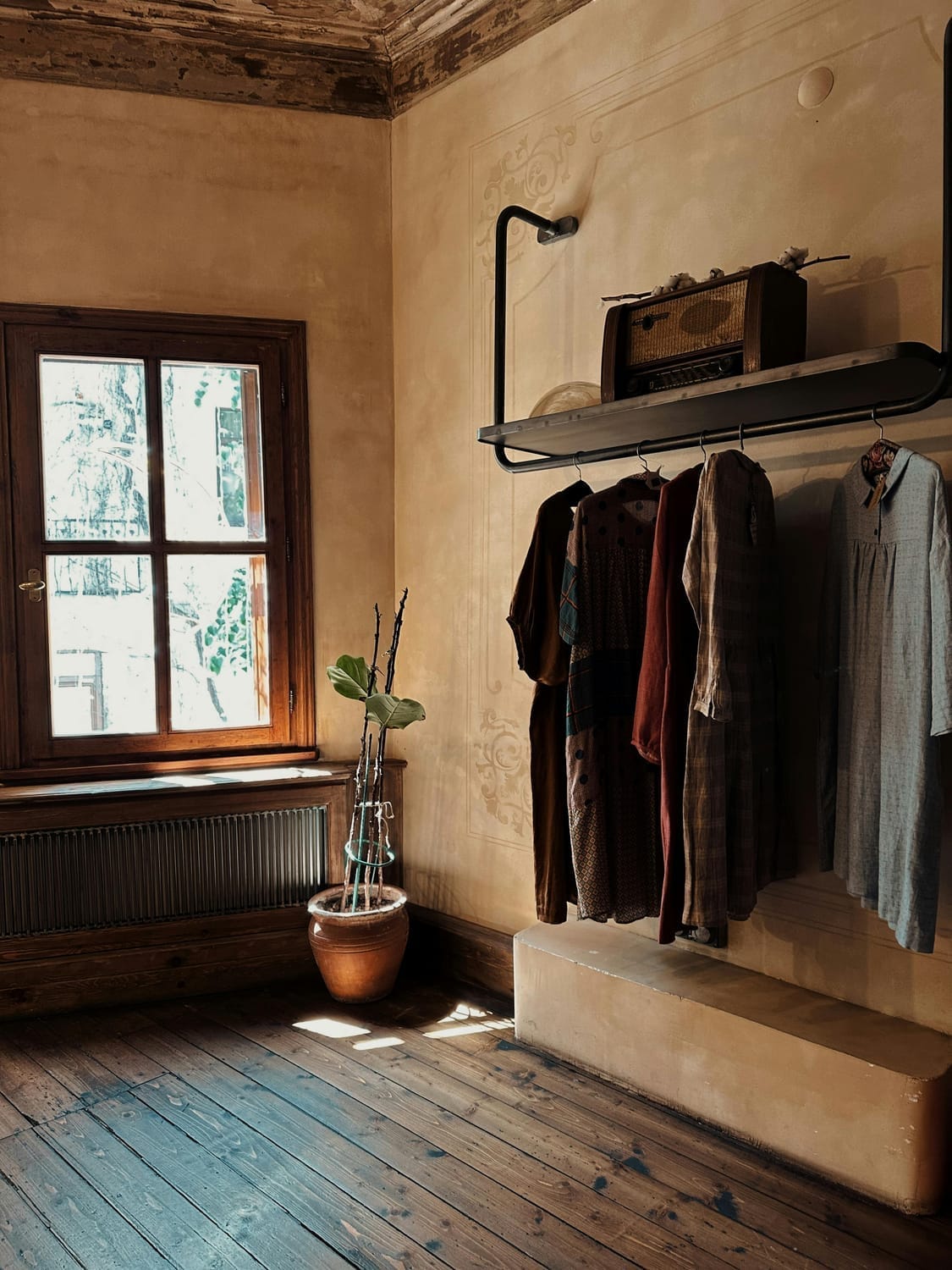
A truly minimalist space defines itself not by its sparseness. It is defined by its intentional curation. This curation is intended to support the brain.
Consider this in four neuro-aligned layers:
Layer 1: Cognitive Ease
Design decisions explicitly reduce the brain's processing load.
Clear surfaces leads to fewer decisions.
Patterns your brain recognises as calming and cohesive leads to less filtering.
Predictable spatial layouts leads to faster spatial mapping.
Design tip: Create one 'visual rest' zone in every room — an intentionally bare surface or wall that gives your eyes a break.
Layer 2: Emotional Safety
Objects and layouts that directly regulate the nervous system.
Familiar textures or natural elements that offer a sense of grounding.
Fewer open storage systems reduce subconscious 'to-do' triggers.
Personalised yet minimal décor grounds without overstimulation.
Design tip: Use closed storage to contain energetic noise. Give meaning to the objects you choose to leave out.
Layer 3: Sensory Simplicity
A curated sensory landscape that cues comfort, not alertness.
Use tactile contrast (e.g., wool + wood) for visual interest, prioritising a play on texture over chaotic colour use.
Soft, indirect lighting calms the brain’s alert system.
Reduce echo or auditory clutter with textiles and rugs.
Design Tip: Layer soft textures and warm lighting near seating areas; this signals your brain that rest is safe and available.
Layer 4: Habit Support
Design that explicitly supports behaviour change through environmental cues.
Designate clear zones for specific brain states: focus, rest, recharge.
Keep frequently used tools (journal, yoga mat, teacup) visible—not hidden.
Remove visible cues for habits you aim to break.
Design Tip: Reframe minimalism as intentional friction. Make the desired actions effortless and the undesirable ones more challenging.
"Minimalism isn't about having less — it's about creating space that allows your brain to do less, so you can focus on what matters. A well-edited environment frees cognitive bandwidth, reduces sensory noise, and gives the mind room to rest, focus, and feel safe."
— Lolade Ajai
Beyond the Visual: The Role of Aesthetic Design in Minimalism
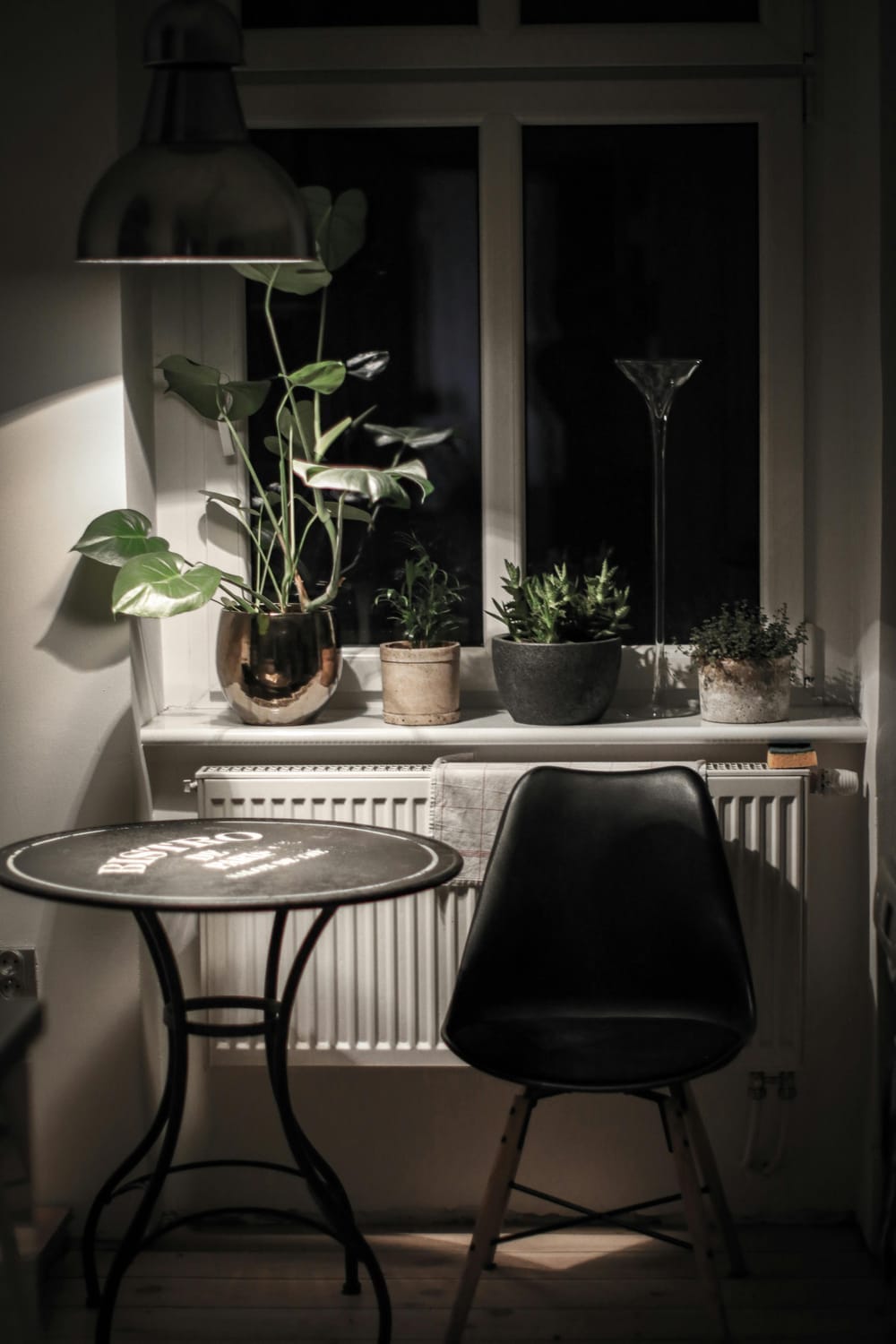
Minimalism is more than just beige rooms and empty shelves. It embodies deliberate design harmony. Here's how deeper design elements such as colour, lighting and texture are integrated into neuro-minimalist interiors:
Colour:
Neutral colours reduce visual complexity, allowing the brain to rest.
Cool hues such as sage and dusty blue have a calming effect on the autonomic nervous system.
Accent colours evoke specific emotional states, such as yellow for joy and earth tones for grounding.
Lighting:
Natural light regulates your circadian rhythm, which has a direct impact on your mood and energy levels.
Layered lighting (ambient, task and accent) gives you more control and reduces environmental unpredictability.
Dimmable, warm-toned lights encourage relaxation in the evening.
Texture:
Rich textures stimulate the somatosensory system gently, helping to regulate emotions through touch.
Combining organic materials such as linen, stone and clay creates a balance between minimalist simplicity and sensorial depth.
Use texture to add personality to a minimalist space instead of relying on excessive colour or pattern.
Minimalism for Hormonal, Cognitive & Emotional Wellness

If you are experiencing perimenopause, anxiety, ADHD, or simply sensory overload from modern life, the way you design your space becomes more important than just aesthetics. It is medicine.
Struggling with brain fog? Your space is potentially too visually stimulating.
Struggling with emotional reactivity? You lack grounding textures and predictable layouts.
Do you have low energy or sleep disruption? Your lighting is disrupting your circadian rhythm.
This is the new frontier of wellness design, with a focus on the needs of the brain.
Ready to Redesign for a Brain-Friendly Life?
Start with your most-used space.
Ask:
What steals my focus or overstimulates me?
What part of this space makes me exhale—and how can I replicate that feeling?
What can I remove to allow my nervous system to soften?
This is minimalist design—not for Instagram, but for your nervous system.
Take Action Today
If you are ready to translate these insights into tangible changes in your own space, here are a few pathways I offer:
Dive Deeper: For a comprehensive guide with practical, step-by-step strategies grounded in neuropsychology to help you design a truly brain-friendly home, explore my e-guides to learn and implement changes you can begin making in autonomy and at your own pace. Explore the e-guides here.
Join the reinvention Mastery or Reinvention Essentials 6-month coaching program for women navigating perimenopause and postmenopause, and who want to learn how to use their spaces to support the evolution of their next chapter. Learn more about that here.
Personalised Insight: If you'd like tailored guidance on how the specific dynamics of your home environment are impacting your well-being and receive expert recommendations for change, consider booking a Home Diagnostics Session.
Ongoing Support: For continued learning, gentle accountability, and connection with a community exploring these ideas, you are welcome to join my Community. It is new and we are excited for where it is going.
FAQ: The Hidden Psychology of Your Home: How Your Space Reshapes Your Mind
Q1: Can minimalist design be warm and inviting?
Absolutely! By incorporating warm colour tones, varied textures, and personal elements, you can make minimalist spaces feel cozy and welcoming.
Q2: How does lighting affect mental health in interior spaces?
Proper lighting can regulate circadian rhythms, improve mood, and increase productivity. Natural light is particularly beneficial for mental health.
Q3: Is it possible to personalise a minimalist space without cluttering it?
Yes. A thoughtful selection of meaningful items can add personality. This is possible without compromising the minimalist aesthetic. Strategic placement is also important.
Q4: What role do natural elements play in minimalist design?
Natural elements like plants and natural materials can reduce stress and enhance cognitive function, contributing to a healthier environment.
Q5: How does spatial layout impact cognitive function?
An organised and uncluttered layout reduces cognitive load, making it easier to focus and process information.
Q6: Can minimalist design principles be applied in small spaces?
Definitely. Minimalism is particularly effective in small spaces, as it emphasises functionality and avoids unnecessary clutter.
Want expert help designing a home tailored to your cognitive needs? Book a 1-hour Home Diagnostic Consultation today.
Let’s create a space that enhances your focus, creativity, and mental well-being. Book your1-hour Home Diagnostic Consultationto create a brain friendly and supportive home.

SHARE




POST CATEGORY