

Midlife, Mood & the Qualia of Space: How to Redesign Your Home for Brain-Boosting Peace
Your Home Is More Than Bricks and Mortar
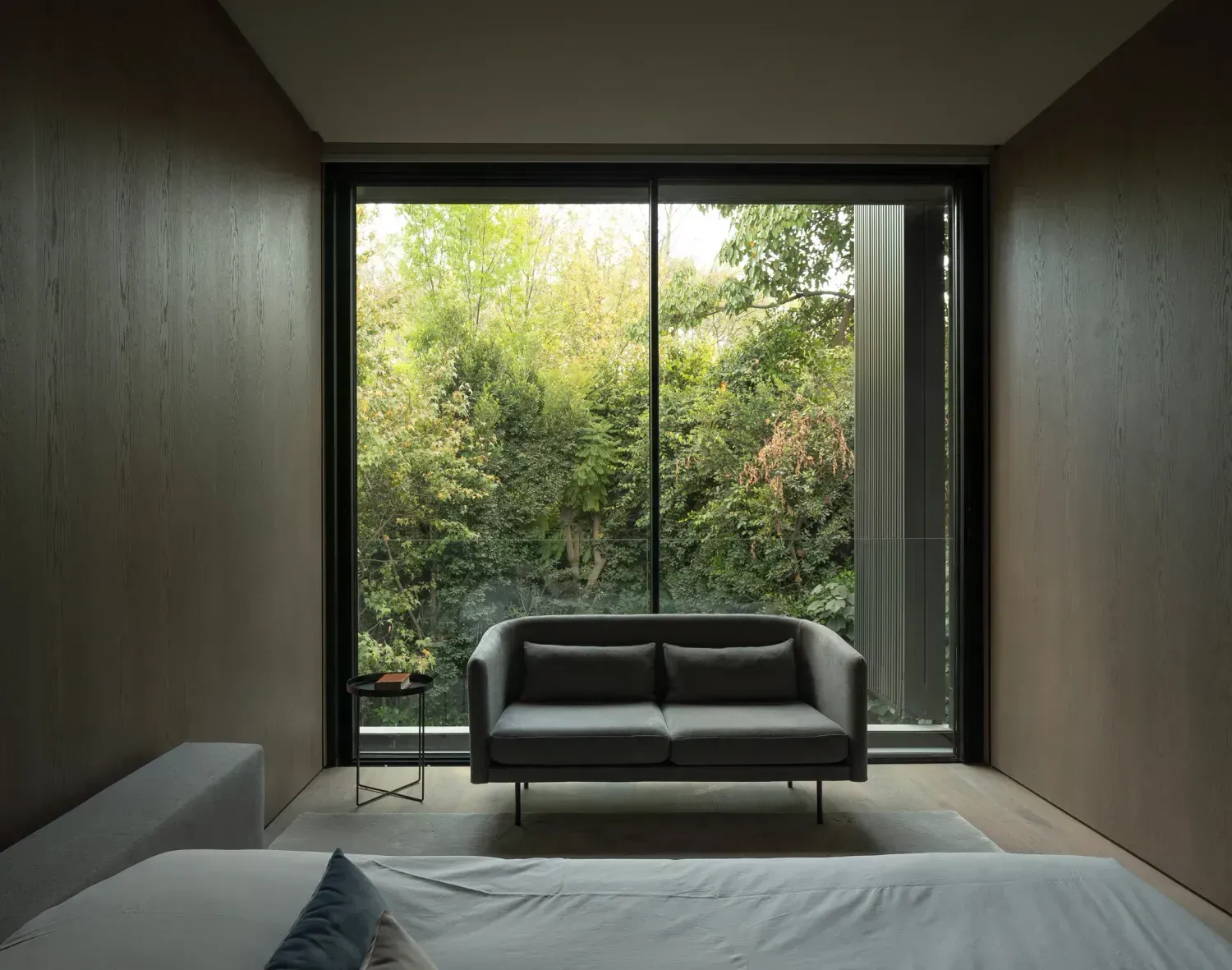
In my childhood, i always felt like this overly sensitive person. I was the only girl in a family of four boys, so naturally, i did not enjoy the loud, rough play and noisy nature of my brothers. This always had me retreating to my bedroom. That place felt like sanctuary.
Even then, i remember that i always felt a strong need to move things around ( like changing the position of my bed), keeping my curtains closed all day to dampen the noise of the three churches and one mosque that lived within listening distance of each other, and re-organise my wardrobe.
Knowing today what i did not know then, and thanks to first my practice as an interior designer and this foray into the wonderful world of neuropsychology, i started to understand that i was not some weird child who did not like the company of people.
I was simply a highly sensitive person who intuitively searched for spaces and places that offered her refuge, where she had control over how the environment looked and felt to her. I don't believe that my life's trajectory would have found me doing anything other that what i am doing now, even if i tried.
It is this curiosity about this connection between our environments, our body and the brain that led me to read this wonderful book, John P Eberhard's 'The Brain Landscape: The Coexistence of Neuroscience and Architecture'. where he discusses this intersection between neuroscience, psychology, architecture and design so beautifully - and where i discovered Qualia.
I know this experience in my childhood is not unique to only me.
I know for sure that in midlife, many women are experiencing such a major shift in their sensory processing and are completely unaware of how the environment plays into this rhetoric, wondering why their homes suddenly feels overwhelming, and it's so interesting to see the sensory shifts that are often the reason why!
In this weeks journal, we are going to dive into why we have these inexplicable subjective experiences that seem to differ from the next person - qualia – the very essence of how you subjectively experience your home – and why understanding this concept will revolutionise how midlife women can design their environments for profound well-being.
If you are ready, i am ready. Let's go!
"Philosophers often use the term ‘qualia’ (singular ‘quale’) to refer to the introspectively accessible, phenomenal aspects of our mental lives."
- Stanford Encyclopedia of Philosophy
Understanding Qualia: How Your Senses Shape Midlife Home Experiences

In the context of interior design for cognitive well-being, qualia can be described as the subjective, lived experiences evoked by sensory stimuli in a space; The 'what it feels like' to encounter a certain texture under your fingers, warm sunlight on your skin, or to breathe in your favourite scent after a long day.
These elements in your environment are subjective and personal to you—they are internal, sometimes hard to articulate, yet profoundly real sensations that form the emotional and cognitive signature of your experience of a particular space..
In essence: Qualia are the raw, sensory impressions that bridge the physical design of a space and the psychological responses it elicits.
While qualia might sound abstract, it is the fundamental building block of how we experience our environments. It represents the deeply personal, internal textures of perception, like the way a dusky rose wall colour doesn't just look warm, but feels like emotional safety to you.
We can measure the physical attributes of a space—ceiling heights, shadow gaps, the lumens of a bulb, the thread count of a linen sheet, the Hertz of a sound frequency.
But qualia are what make those sensory inputs mean something to the person experiencing them; it is also what makes designing for residential spaces so rewarding and emotionally resonant for me.
In interior design, especially for women navigating midlife shifts, qualia help us understand why some spaces ground us and why others agitate us. This helps us form the subconscious language your nervous system uses to interpret its surroundings. It is intuitive design that unpacks your emotional signature in your home space and tailors it to your unique needs.
Now that we understand that your home is not just a collection of objects and surfaces, but a tapestry that can be woven from your personal qualia, we can bring this fascinating concept directly into your home with the understanding that every element contributes to how you feel in your space.
Visual Qualia in Cognitive-Responsive Design

Visual qualia refer to the subjective, felt experience of what we see—the 'what it’s like' to experience colour, contrast, brightness, and visual form. It’s not simply that the bedroom wall is painted terracotta—it is that feeling of warmth that evokes a grounding sensation for you. Read more about this here.
In the brain, certain regions process visual input such as colour and form. But how we interpret that input is filtered through lived experience, hormonal states, and emotional context—especially during perimenopause and postmenopause, when sensory perception can become heightened or dysregulated.
When we consider calibrating brightness, contrast, and hue in alignment with individual cognitive needs—such as reducing sensory fatigue, stimulating clarity, or reinforcing calm—your home can become a support system for emotional and cognitive regulation.
Auditory Qualia
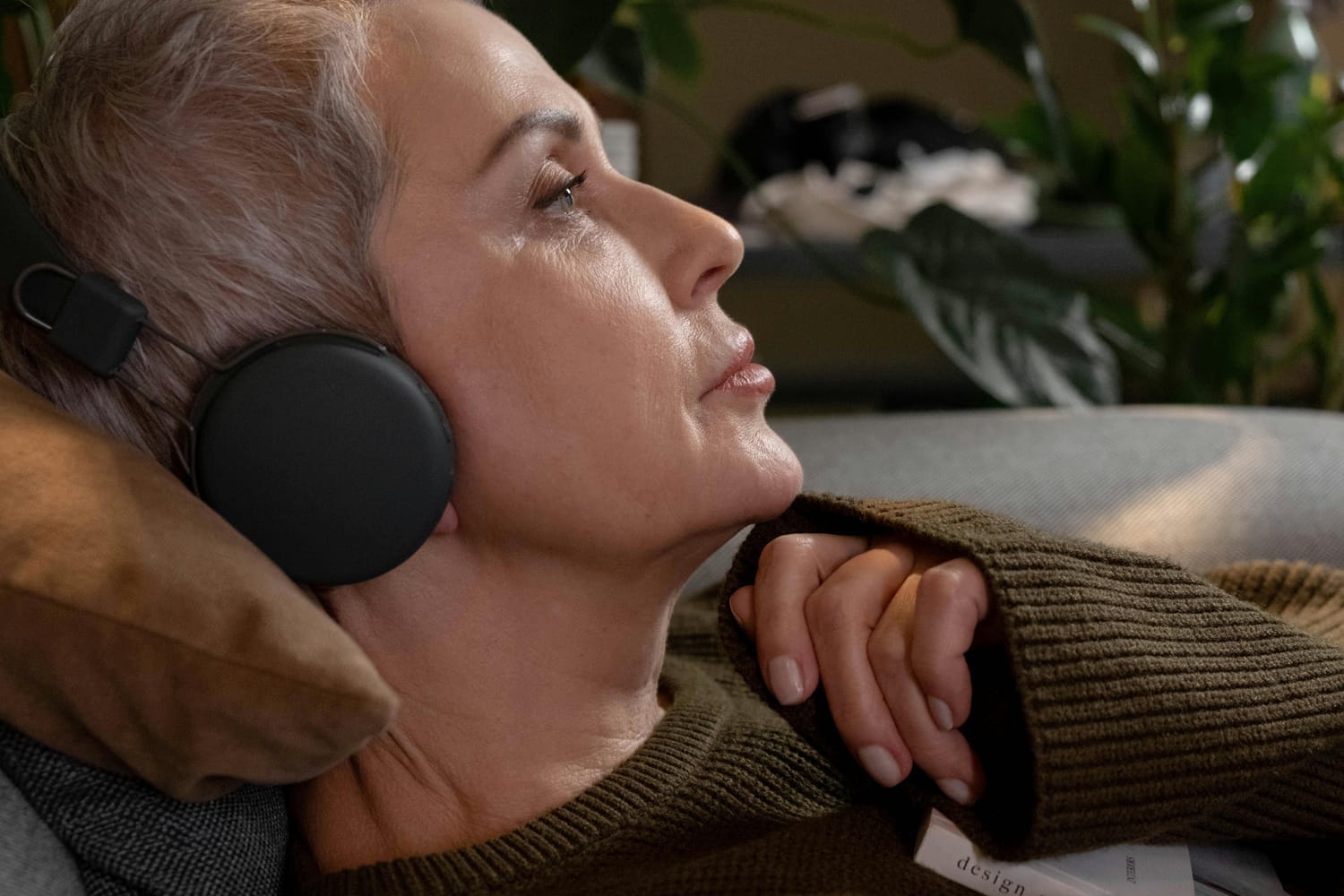
When we talk about auditory qualia, we are referring to the subjective sensation of sound – things like pitch, timbre and loudness.
These are all rooted in our auditory neural pathways and match neural signal patterns in the cortex.
Using interior design with things like acoustic treatments, soundscapes, and white noise can create a calming environment rather than one that's stimulating. This fascinating paper by Michael HAVERKAMP 'How does what we hear sound? The qualia problem in acoustics' is a great read.
Tactile Qualia

The way we feel things with our hands is called tactile qualia.
This includes how things feel to the touch, how hard or soft they are, and what temperature they are.
These are processed through the body's sensory system and become a part of how we understand our body.
Think about how the feel of a rug underfoot or the feel of a cool, smooth kitchen surface under your hands.
These tactile sensations influence how comfortable and at ease we feel.
If you choose your materials and furniture carefully, you can create an environment that makes you feel relaxed and at ease.
Olfactory Qualia

The way we experience smells is subjective, and they can trigger strong emotions and memories.
These experiences are triggered by pathways from the olfactory bulb to the amygdala and hippocampus.
For instance, the smell of coffee or freshly laundered linen can trigger powerful emotional memories.
In my experience - and i will use Lavender as an example - t is generally known that Lavender is a calming scent.
For me, Lavender is bothersome, and i lean more towards Cedarwood and Patchouli.
Proprioceptive/
Kinesthetic Qualia

Proprioceptive qualia are basically the body's awareness of where it is, how it is moving and which way it is facing.
Our body schema uses information from all our senses to understand these things.
The feeling of spaciousness or the ease of moving through a room is a proprioceptive qualia.
Having clear pathways and using furniture that is the right size for the room and your body proportions can make a room more comfortable and easier to move around in.
"The brain does not passively receive sensory input; it actively constructs perceptual experiences based on context, memory, and internal state. The same visual stimulus can evoke vastly different emotional responses depending on hormonal status, mood, and past experience."
— Anjan Chatterjee, MD, The Aesthetic Brain: How We Evolved to Desire Beauty and Enjoy Art (2013)
So the next time you walk into your home, pay attention to how you are feeling in that space, because there is a whole lot of complex processes going on. We are always creating this complex dialogue and a mix of feelings that together make up the personal experience of the our spaces.
This is the reason why two people in the same room can have totally different experiences – their brains interpret and feel these sensations uniquely based on past experiences, current mood, and individual sensory processing.
How Midlife Sensory Changes Affect Your Mood, Brain Fog, and Qualia

Now that we have unpacked the different types of qualia and how they can be deeply personal and often subconscious, let us bring it home to women in midlife experiencing the brain makeover of Perimenopause.
Common Experiences of Women in Midlife:
Hormonal fluctuations is a hallmark of perimenopause and menopause. Fluctuating estrogen and progesterone levels directly impact important neurotransmitter systems like serotonin, dopamine, and GABA, used for regulating mood, sleep, cognition, and stress response. This comes with a whole gamut of presentations, some of which are:
Mood Swings: Increased irritability, anxiety, and heightened emotional sensitivity.
Sleep Disturbances: Insomnia and disrupted sleep patterns, leading to feelings of fatigue and reduced cognitive function during the day.
Cognitive Changes: Brain fog, memory lapses, and difficulty concentrating, impacting daily clarity.
Increased Stress Vulnerability: A diminished capacity to cope with everyday stressors, making small irritations feel monumental.
Physical Symptoms: Hot flushes (or flashes), joint pain, and headaches, all contributing to discomfort and impacting overall well-being.
On top of that, midlife tends to coincide with transitions that amplify sensory sensitivity, leaving many women wondering why their home feels overwhelming in midlife. Think children leaving home, caring for aging parents, career re-evaluations, or changes in relationships, to name a few.
The confluence of these hormonal shifts and life changes often trigger a fundamental re-evaluation of our sense of identity, our current and future obligations and life priorities.
"Perimenopause and menopause are associated with neuroendocrine changes that influence the way the brain processes sensory information. Fluctuations in oestrogen affect neurotransmitter systems such as serotonin and acetylcholine, which play a crucial role in regulating mood, attention, and sensory perception. These changes can heighten sensory sensitivity and alter the brain’s affective response to environmental stimuli—leading to increased anxiety, emotional dysregulation, and cognitive fog."
— Mosconi, L. (2018). The XX Brain: The Groundbreaking Science Empowering Women to Maximize Cognitive Health and Prevent Alzheimer's Disease.
This season of brain renovation leads to a powerful shift in subjective experience. What previously felt tolerable or even pleasant in your environment may now feel irritating, overwhelming, or draining.
For example, while i have always preferred quiet environments over noisy ones, ever since i entered perimenopause, the loud, bustling ambience of city life always left me feeling drained and irritable - never mind unable to fall asleep because my brain is busy talking incessantly at me. So commuting into the city for work feels like a task i must prepare for.
The desire for peace and an environment that supports the cultivation of that peace increased exponentially, and i prioritised that when looking looking for a house. It had to be suburban and i had to be surrounded by nature, with minimal vehicular and human traffic.
For us women, the subjective experience of our home environment—the qualia—can either exacerbate our challenges or provide sanctuary. If our homes are consistently filled with stress, discomfort, or overstimulation (e.g. harsh lighting, loud noises, clutter), it will significantly worsen our mood, sleep and overall well-being.
A home designed to intentionally elicit qualia of calm, security, comfort, and support is a powerful tool for self-regulation and resilience during this transformative period of our lives.
Environmental Psychology & Neuroaesthetics: Validating Qualia in Midlife Home Design
This is where it gets a bit more sciencey for those who want the empirical data. If you are not into it, just skip this section.
The Neuroscience
While neuroscientists have not found one specific part of the brain that processes 'qualia' (the subjective experience of a thing), there is a lot of evidence from the study of the brain and the psychology of the environment that helps us understand the brain and behavioural changes that lead to specific 'qualia' in our homes.
Thanks to neuroscience, we understand the intricate sensory processing pathways in the brain.
For instance, the visual pathway (occipital lobe), auditory (temporal lobe), and somatosensory (parietal lobe) areas process raw data.
Their interaction, especially with regions involved in emotion and memory like the amygdala and hippocampus, gives rise to the subjective feeling of an experience.
A jarring sound in the home, for instance, processed rapidly by the amygdala for emotional salience, can trigger feelings of irritation, contributing to negative auditory qualia.
We also know how specific neurotransmitter systems are impacted by environmental factors. For example, light exposure directly affects melatonin and serotonin levels, influencing sleep and mood, and how certain colours can activate reward pathways (dopamine) or stress responses (cortisol).
The prefrontal cortex, the area of the brain that is critical for executive function and decision-making, is significantly impacted by environmental stressors or supportive elements, influencing one's cognitive qualia (e.g., feeling clear-headed versus foggy).
Different brainwave states (alpha, beta) are associated with different qualia, with calm environments promoting relaxing alpha waves. This highlights how design choices influence brain activity.
Most importantly, we understand neuroplasticity, which means our brains are constantly adapting.
Repeated exposure to certain stimuli in the home can reshape neural pathways, reinforcing specific qualia and emotional responses over time.
So, a home that consistently elicits feelings of safety and comfort can strengthen neural circuits associated with well-being.
"Our experience of the world is a controlled hallucination—a prediction that the brain updates based on internal bodily states, not just external sensory data. Hormonal fluctuations can shift those internal states and thus alter how we perceive reality itself."
— Lisa Feldman Barrett, PhD, How Emotions Are Made: The Secret Life of the Brain (2017)
The Environmental Psychology
This field studies how people and their surroundings interact. It shows us how the experiences we have in our environments can affect how we feel. There are are what i would refer to as four axes that relate to our experiences in our home environments:
Attention Restoration Theory (ART): This theory demonstrates that natural environments (or elements mimicking them) can restore directed attention, which is often fatigued by demanding cognitive tasks. Read more here.
The soft fascination of nature (e.g., a view of trees, the sound of water) allows for effortless engagement, reducing mental fatigue and promoting positive cognitive qualia. This translates to home design when we maximise the use of natural light, introduce plants, and create natural views.
Stress Reduction Theory (SRT): It has been shown that exposure to natural environments can reduce physiological stress (e.g., lower heart rate, blood pressure, muscle tension).
Read Ulrich, R.S. work on Stress reduction theory here.
Even simulated nature has the same effect. A home that feels natural through its materials, colours, and organisation will elicit qualia of calmness and safety.
Place Attachment and Identity: Our homes are inextricably linked to our sense of self, place and belonging. Positive experiences and memories associated with a particular space, results in strong place attachment, which creates feelings of security, comfort, and identity. Read more here.
A home that reflects your personality and values fosters these feelings.
Personal Control and Perceived Control: Another descriptive for this is 'Human Centered Interior Design'. Our ability to modify our environment (e.g. adjusting lighting, temperature, privacy) increases our sense of agency and control.
This has been shown to be a powerful predictor of wellbeing. This approach to designing our residential spaces, puts the user (you) at the center of the design process. your home environment is then designed with you as the active player in the space, where everything revolves around how you function, to give you the best support,
Lack of control over how you need your space to support you, inevitably leads to feelings of helplessness and negative emotions. This has been my argument against communal building projects. While they are amazing for fostering connection, i wonder if we are factoring in the need for human beings to have autonomy over their environments?
But this is a topic for another journal entry.
Validating Qualia in Home Design
Now, this is where it all comes together!!
Now that we can see evidence backed by neuroscience and psychology, showing that Qualia is not woo, we don't need to go looking for where qualia lives in the brain to validate their importance.
We validate them through:
Observable Behavioural and Physiological Responses: We can measure reduced stress hormones, improved sleep patterns, enhanced cognitive performance, and self-reported well-being in response to specific environmental designs. These are the external manifestations of positive qualia.
Subjective Reporting and Phenomenology: We listen to people's descriptions of their experiences.
"I feel calmer in this room,"
"This colour makes me feel anxious,"
"I can finally think clearly here."
These are direct reports of qualia, and when aggregated, patterns emerge that inform effective design principles.
Biometric Data: Heart rate variability, skin conductance, and even fMRI studies (looking at activation in emotion/reward centers) can provide objective correlates to subjective experiences, reinforcing the profound impact of design choices on qualia.
Embodied Cognition: Our minds are not separate from our bodies and environments. Our bodily sensations and movements within a space directly contribute to our cognitive and emotional states, and thus to our qualia.
Designing Homes to Support Cognitive, Physical, and Hormonal Health (through Qualia-Informed Design)
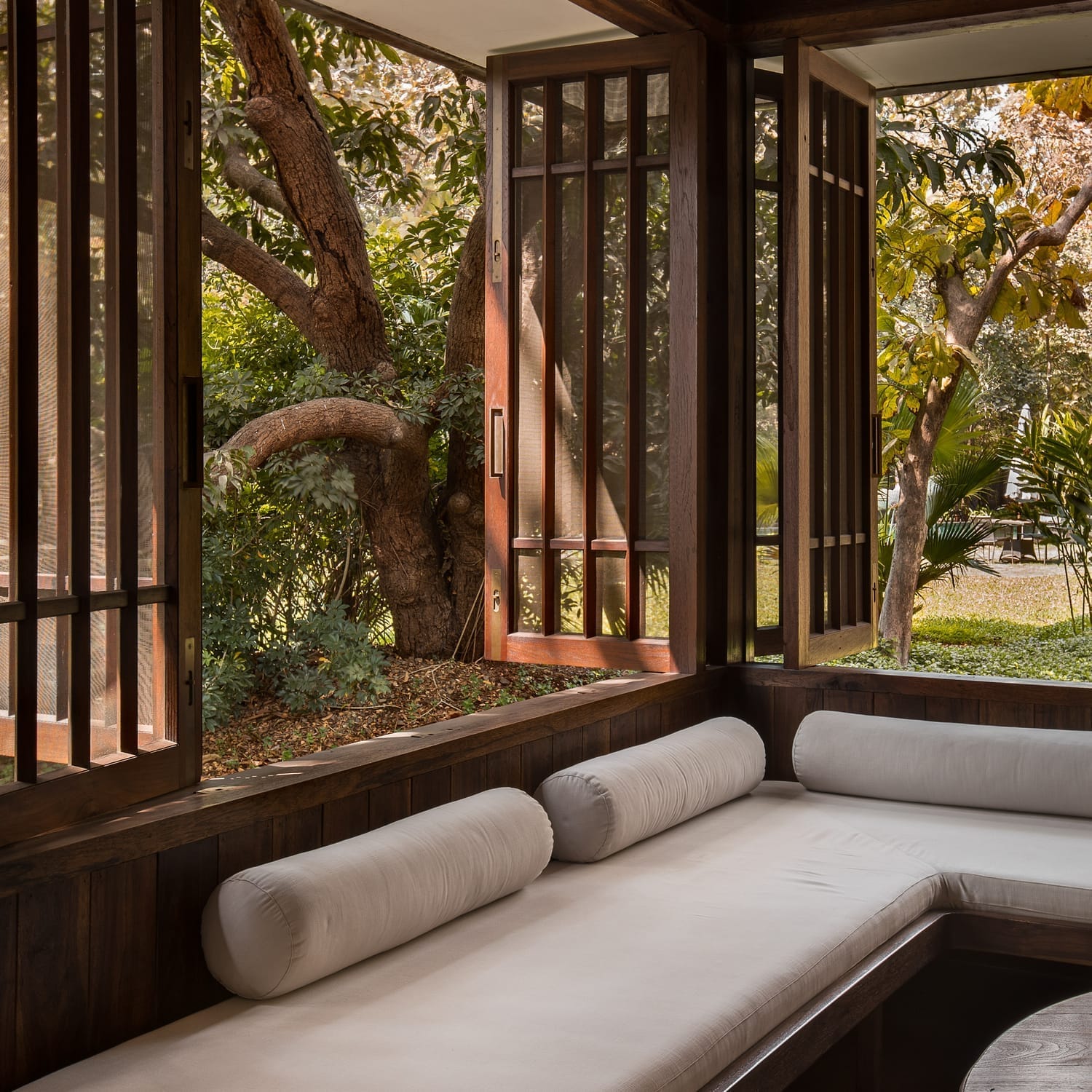
So how do we begin designing our homes to support cognitive, physical and emotional design? We start by keeping in front of mind that design is not solely for function or aesthetics. It is also crucially for the feeling the space evokes.
A few of these cardinal points to consider are:
Use Sensory-Rich but Balanced Environments (tailored to the individual):
1. Visual: Prioritise soft, non-glaring layered lighting, maximise natural light access, incorporate views of nature, use calming colour palettes, and declutter to reduce visual noise.
2. Auditory: Implement sound-dampening materials, consider white noise generators if helpful, isolate noisy appliances, and create quiet zones for retreat.
3. Tactile: Introduce diverse textures (soft fabrics, smooth wood, warm rugs) and comfortable, supportive furniture.
4. Olfactory: Ensure good ventilation, use natural scents (essential oils, fresh flowers), and avoid harsh chemical cleaners.
Promote Restoration and Calm: Design dedicated 'restorative zones' for quiet contemplation, reading, or meditation. Incorporate elements of nature (biophilic interior design) like indoor plants, natural materials, and views of greenery.
Support Circadian Rhythms: Maximise natural light exposure during the day and minimise blue light at night to support melatonin production and healthy sleep-wake cycles, which are crucial for hormonal regulation.
Enhance Perceived Control: Allow for adjustable lighting, temperature, and privacy to optimise stress reduction through design. Provide flexible furniture arrangements that adapt to changing needs.
Foster Safety and Security: Ensure clear pathways, good visibility, and offer comfortable, enclosed spaces for retreat when needed.
Encourage Movement and Physical Comfort: Include ergonomic furniture, designate spaces for gentle exercise (e.g., a yoga mat area), and ensure comfortable seating throughout the home.
Minimise Environmental Stressors: Actively reduce clutter, address sources of noise pollution, and ensure excellent indoor air quality.
For women in a midlife stage, this means making a conscious effort to create spaces that reduce common symptoms of the menopause. For example, cool, breathable bedding and good air circulation can help with hot flushes, making you feel more comfortable. The list is, of course, not exhaustive.
Be the Detective in Your Own Life: Discover Why Your Home Feels Overwhelming in Midlife — and Learn How to Fix It

Being a detective in your own life – actively understanding how your environments influence you, and why – is crucial for everyone, but particularly empowering for women navigating midlife changes.
Here's why:
1. We often interact with the environment without realising it. We might feel tired or stressed, but we might not realise that it's because of the bright overhead lights, the messy counter, or the noise of traffic outside.
Being a detective means being aware of these influences and understanding them better. It is about being aware of your feelings. For example, ask yourself "How does this light make me feel?" or "What's the feeling of being in this room right now?"
2. You are taking charge of your own wellbeing. When you understand how your environment affects your state of mind, you go from being someone who just goes along with what's happening around you to someone who can make things happen. You realise that you can change your environment to make yourself feel better. This feeling of being in control is really powerful, especially when many women feel like they're losing control because of changes in their hormones.
3. You can create your own personalised solutions, or get help from a designer. There is not one "ideal" environment. What makes one person feel calm might make another person feel bored. The same is true of what makes one person feel excited, and another person feel overwhelmed.
By taking a look at your own needs, you can find out what is important to you in your relationship with your environment. This means you can get advice that is exactly right for you, for all aspects of your health – mental, physical and emotional.
4. You become your own proactive health manager. Instead of waiting for symptoms to manifest (e.g., anxiety, insomnia, irritability), you can proactively design a calming home during menopause to prevent or mitigate symptoms. This is a cornerstone of preventive health and resilience building, giving you a powerful tool in your midlife toolkit.
5. Whether it's choosing a new home, renovating a room, or simply rearranging furniture, understanding your environmental sensitivities empowers you and allows for informed decisions that align with your deepest needs and support your health goals. It shifts decision-making from arbitrary preference to strategic self-care.
6.For women experiencing hormonal changes, their own experiences can sometimes be dismissed or attributed solely to "hormones". If you understand the environmental influences, you can be sure of your feelings. "It's not just me; this noisy environment is making my anxiety worse."
This agency is really important for your mental health and your ability to create an environment where you can be happy with yourself.
“Mindfulness isn't difficult, we just need to remember to do it.”
-Sharon Salzberg
I bet you are starting to wonder 'how do i even begin to do this? It's simple.
Being a detective involves:
Mindful Observation: Paying close attention to how you feel in different spaces and at different times of day.
Self-Experimentation: Making small, intentional changes to your environment and observing the immediate and long-term impact on your mood, energy, and cognitive function.
Journaling/Tracking: Noting patterns between specific environmental stimuli and your internal states (e.g., "After 30 mins in the bright kitchen, I feel irritable").
Curiosity and Openness: Being willing to explore and question your assumptions about your surroundings, and to try new things even if they seem unconventional.
Your Home, Your Sanctuary, Your Well-being
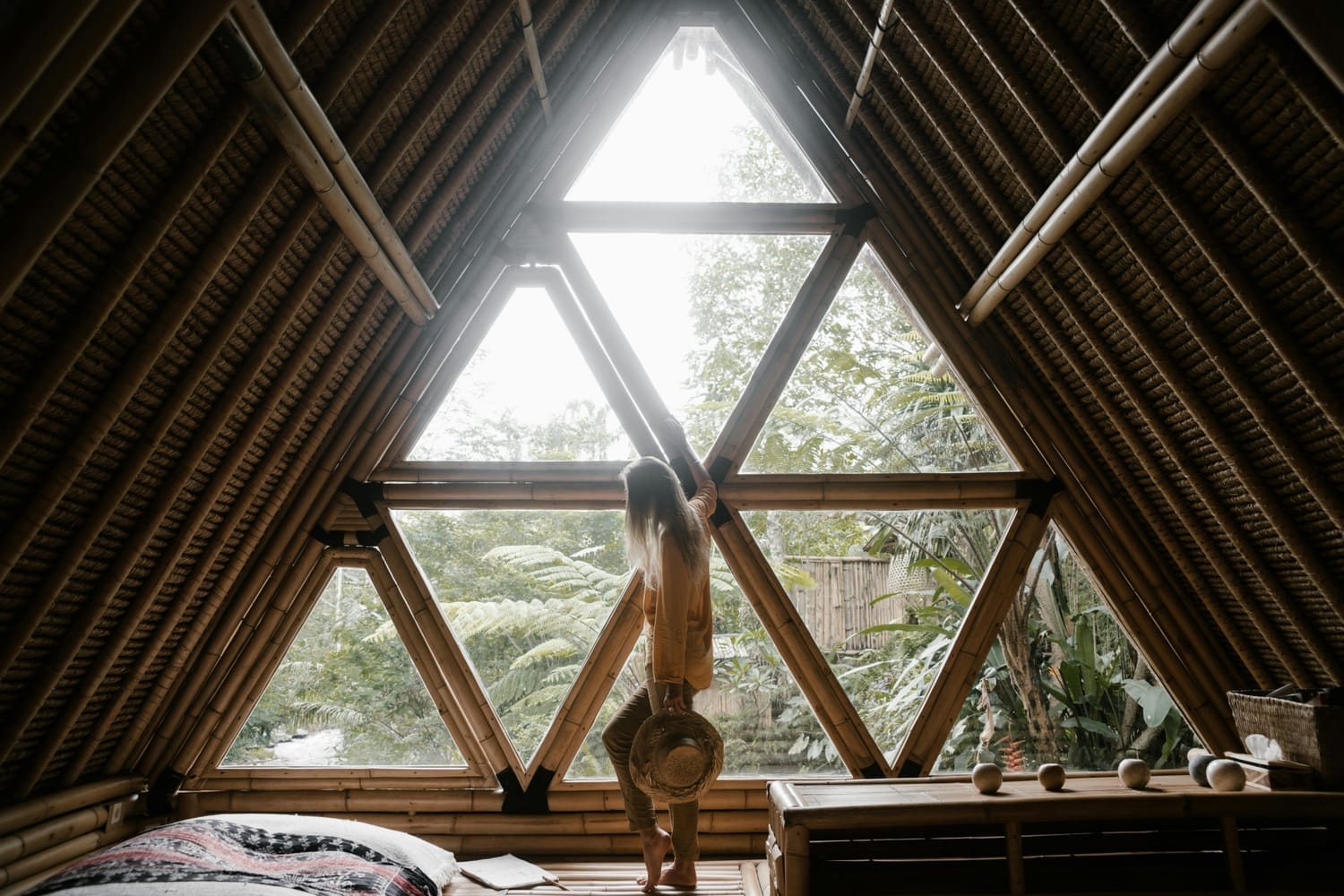
Your home is this dynamic extension of your nervous system, and it is constantly interacting with your senses and influencing your well-being at a deeply subconscious level.
Understanding this phenomenon of qualia with the powerful insights from neuropsychology and environmental psychology, you gain an unparalleled tool to design a living environment that actively supports you through midlife and beyond.
This is the time to be the detective in your own life. Listen to the subtle signals your qualia are sending. Observe how different elements in your home make you feel, think, and even remember.
You have the power to curate a space that is not just aesthetically pleasing, but one that is profoundly healing and uniquely aligned with the incredible, evolving woman that you are.
Take Action Today
If you are ready to translate these insights into tangible changes in your own space, here are a few pathways I offer:
Dive Deeper: For a comprehensive guide with practical, step-by-step strategies grounded in neuropsychology to help you design a truly brain-friendly home, explore my e-guides to learn and implement changes you can begin making in autonomy and at your own pace. Explore the e-guides here.
Join the Reinvention Mastery or Reinvention Essentials 6-month coaching program for women navigating perimenopause and postmenopause, and who want to learn how to use their spaces to support the evolution of their next chapter. The next cycle begins July 1st. Learn more about that here.
Personalised Insight: If you'd like tailored guidance on how the specific dynamics of your home environment are impacting your well-being and receive expert recommendations for change, consider booking a Home Diagnostics Session.
Ongoing Support: For continued learning, gentle accountability, and connection with a community exploring these ideas, you are welcome to join my Community. It is new and we are excited for where it is going.
Frequently Asked Questions
1. What exactly is qualia, and how does it relate to my home?
Qualia refers to the raw, subjective experiences that arise from our senses—like the feeling of sunlight on your face or the scent of morning coffee. In the context of your home, qualia describes how your space feels to you, beyond its physical structure. It's the difference between a room that feels peaceful and one that feels agitating, even if they look similar.
2. Why does my home suddenly feel overwhelming in midlife?
During midlife, hormonal shifts (especially in perimenopause and menopause) can heighten sensory sensitivity and emotional reactivity. This means environments that once felt fine may now trigger anxiety, brain fog, or fatigue. You're not imagining it—your brain and body are experiencing space differently, and design adjustments can help.
3. Can home design really help with mood swings, brain fog, and stress?
Yes. Research in neurodesign and environmental psychology shows that lighting, color, texture, scent, and spatial layout directly influence brain function and emotional states. Adjustments like warmer lighting, clutter reduction, and calming colors can support better sleep, mood regulation, and mental clarity—especially during hormonal transitions.
4. What are some signs my environment is negatively affecting me?
Common signs include:
Feeling fatigued or irritable in certain rooms
Trouble concentrating in your workspace
Difficulty sleeping due to lighting or noise
Emotional discomfort you can’t quite explain
These may reflect negative qualia, which can often be alleviated through design changes.
5. What is a brain-friendly home, and how do I create one?
A brain-friendly home supports your cognitive and emotional well-being through intentional sensory design. This includes:
Natural light during the day and warm lighting at night
Calming, non-overstimulating color schemes
Quiet zones for rest and focus
Scent and soundscapes that promote relaxation
Layouts that support easy movement and comfort
This approach is especially effective for women experiencing midlife neurohormonal changes.
6. I’m sensitive to noise and clutter—what can I do?
If you're experiencing sensory overload, consider:
Using noise-dampening materials or white noise devices
Decluttering visually chaotic spaces
Creating “retreat zones” with minimal stimulation
Rearranging furniture to allow smoother movement
These adjustments reduce stress-inducing qualia and increase your sense of control.
7. Do I need an interior designer to make these changes?
Not necessarily. But working with someone who understands qualia and neurodesign can be transformative. They can help you translate your felt experiences into practical design choices. Most importantly, they validate how your space makes you feel—and design with that in mind.
Want expert help designing a home tailored to your cognitive needs? Book a 1-hour Home Diagnostic Consultation today.
Let’s create a space that enhances your focus, creativity, and mental well-being. Book your1-hour Home Diagnostic Consultation to create a brain friendly and supportive home.

SHARE




POST CATEGORY