

How Your Environment Affects Your Hormones: The Science of Space & Mood
The Science of Space & Mood
Midlife can feel like a storm of fluctuating moods, low energy levels and poor quality sleep.
This is a lived experience for me, 47 years old, entered into perimenopause in my late 30's without understanding that it was perimenopause; and struggling to understand where this sudden cascade of neuroendocrine issues were coming from.
I have a habit of developing tunnel vision when it comes to things that i don't understand but want to get on top of. My brain and body health is one of those things. Besides my vision of bridging the gap between interior design as aesthetics and interior design as a co-player in human health and wellbeing, perimenopause narrowed the niche down a little tighter for me.
I know now, from study and research, that when the nervous system is chronically overstimulated or not supported enough by our surroundings, it is one of the first systems to tank.
Yet these subtle contributors within our homes — the everyday, seemingly harmless design choices — often go completely unnoticed; and the repercussions are usually drastic.
Lifestyle changes are amazing at helping: think eating clean, removing microplastics and harmful chemicals from your immediate environment, getting adequate exercise and deep restorative sleep among other things.
The missing link between good intentions and creating a sustainable lifestyle habit at home, is how your home supports those good intentions.
The good news? With a few strategic changes, you can transform your space from a source of stress into a sanctuary that supports your body’s natural equilibrium.
Every design choice, from the quality and timing of our interior lighting to the layout of our homes, sends a biological message.
These messages can either soothe or stress your body, and over time, this can impact everything from your cortisol levels to your sleep quality, mood and motivation.
This week's journal entry explores the powerful link between our home's environmental cues and hormone health, and share 5 Quick Fixes to Start Rebalancing Your Home—and Your Hormones, as well as a deeper dive in our soon to be released, paid downloadable journal, 'Optimising Your Home for Hormonal Balance: Practical Strategies to Reduce Endocrine Disruptors and Support Well-Being', which includes tips on air purification, electromagnetic field (EMF) exposure and healthier material choices.
“The brain is the master regulator of hormone release, and its sensitivity to stressors—environmental, sensory, emotional—directly influences the body’s endocrine rhythms.”
— Sapolsky, R. M. (2004). Why Zebras Don’t Get Ulcers
The Nervous System–Hormone Connection: What Most People Miss
Your nervous system is a 24/7 surveillance system that is always monitoring your body's functions. It constantly assesses your environment for signs of safety or stress — what scientists call 'neuroception'.
Without you having to think about it, your body responds to:
Bright lighting
Loud sounds
Cluttered spaces
Chemical smells
Tight or blocked layouts: think about the ease of movement/ circulation/ transition around furniture and through zones in your home
If these cues are over stimulating or distressing, this automatic process triggers your stress response system, specifically the hypothalamic-pituitary-adrenal (HPA) axis, which regulates hormone production.
Hormones Are Responding—Even When You Are Not Aware
When your brain senses stress in your environment, it triggers a cascade of events.
Cortisol (the stress hormone) rises.
Melatonin (the sleep hormone) is suppressed.
Serotonin and oestrogen levels fluctuate, affecting mood and cycles.
In other words, the state of your home environment could be silently hijacking your hormonal health.
From Insight to Impact: The 5 Environmental Disruptors You Need to Rethink
“Environmental inputs are processed neurologically long before they reach conscious awareness. Poor lighting, noise, and clutter can act as subliminal stressors that dysregulate autonomic balance.”
— Dr. Esther Sternberg, “Healing Spaces: The Science of Place and Well-Being” (2009)
Now that we have examined how your nervous system and hormonal balance are in constant dialogue with your environment, it is time to explore which elements of your home may be having a negative effect on your well-being without you even realising.
These disruptors may seem harmless — even normal — but they are over-activating your stress response, destabilising your mood and interfering with vital hormones such as melatonin, cortisol, oestrogen and serotonin.
Let's take a look at the five most commonly overlooked yet powerful environmental stressors that could be holding you back.
1. Cool vs. Warm Light: How Colour Temperature Affects Melatonin
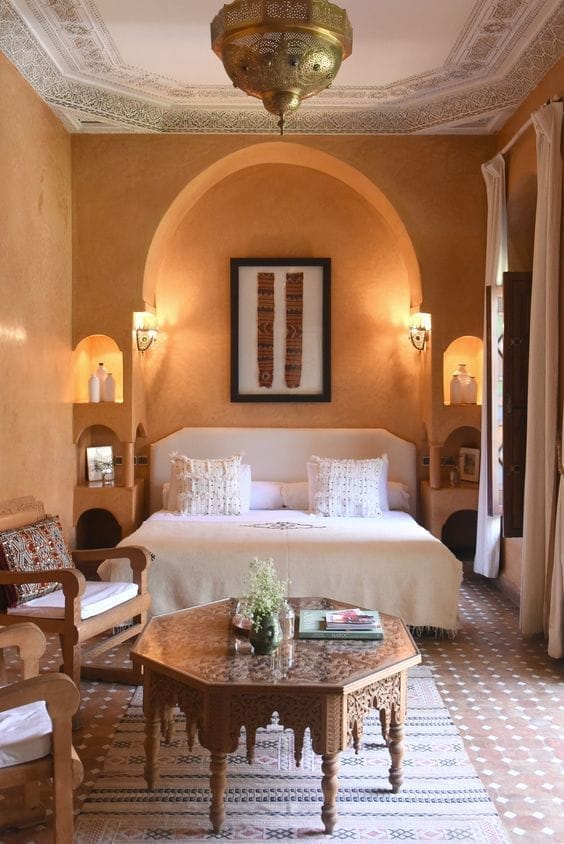
Blue and cool-toned lights mimic daylight. This is great for alertness during the day, but disastrous at night. Melatonin, your body's natural sleep hormone, is blocked by cool light, which delays the process of your body winding down.
Create An Evening Light Hygiene For Better Sleep
To support hormonal balance and healthy sleep:
Use warm, amber-toned bulbs after sunset.
Install dimmer switches or lamps with soft light.
Replace harsh overhead lights with floor lamps.
Avoid screens, or use blue light filters in the evening.
Lighting isn’t just about aesthetics, it's biological.
2. Clutter and Cortisol: Why Visual Clutter Spikes Your Stress Hormones

Visual overload leads to cognitive overload. The brain craves order and completion. When every surface is crowded and every corner is visually chaotic, your stress levels increase, even if you are not consciously aware of it.
This chronic, low-level stress activates the sympathetic nervous system and increases cortisol levels, affecting:
Blood sugar
Weight gain
Sleep disruption
Immune suppression
Surface Reset Rituals Calm the Mind and Body
You don't need to give your whole home a makeover.
Start with:
Clearing just one surface each day.
Designating a 'visual breathing zone' in each room;
Using closed storage to reduce visual noise.
Each cleared space will send a message of safety to your body.
3. Sensory Overload and Mood Dysregulation: Sound, Smell, and Touch: Forgotten Mood Triggers
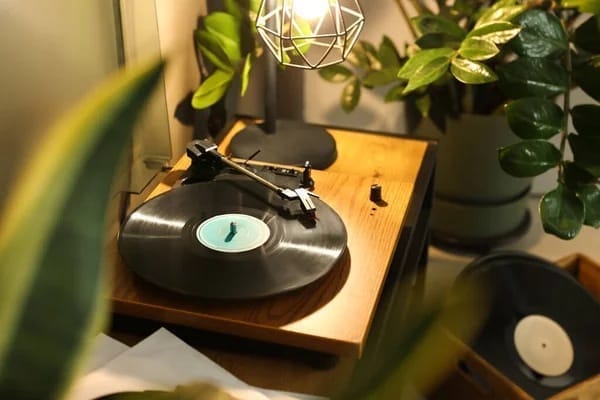
Harsh, synthetic or grating sensory stimuli can overstimulate the nervous system. This is particularly the case during perimenopause or midlife, when hormonal sensitivity is often heightened.
Examples include:
Loud background noise (e.g. TV, appliances).
Strong artificial scents (e.g. candles, air fresheners).
Scratchy fabrics or cold surfaces.
Create a Mood-Supportive Sensory Landscape
Try these small sensory shifts to regulate your mood:
Add a calming scent, such as lavender, vetiver or sandalwood.
Play gentle ambient music or nature sounds.
Use soft throws, cosy rugs and tactile fabrics.
This is nervous system design — your mood follows your senses.
4. Interior Layouts and Midlife Motivation:
Blocked Flow, Blocked Drive
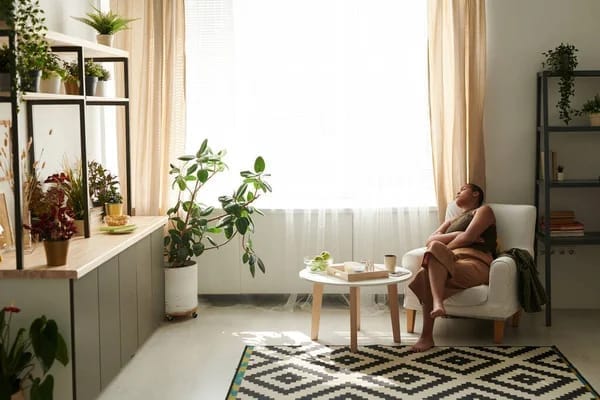
When rooms feel cramped or stagnant, it can lead to energetic blockages, causing mental fog, fatigue or a loss of motivation.
Your brain processes spatial layouts in the same way as it does emotional cues. If the environment suggests stillness or overwhelm, your hormones interpret these cues accordingly.
Reintroduce energy and purpose through design.
To boost mental clarity and momentum, try these tips.
Open up blocked pathways between pieces of furniture.
Let in more natural light.
Anchor your workspace with intentional design.
Use mirrors to reflect brightness and create a sense of flow.
The more energy that moves through your space, the more drive you’ll feel.
5. Supplement Overload vs. Space Reset: Supplements Alone Can’t Overcome Environmental Stress

No matter how much magnesium, adaptogens or nootropics you take, if your home environment is still causing you stress, they will never be fully effective.
A stressed nervous system makes digestion, absorption and hormonal feedback loops inefficient.
Design First, Supplement Second.
Try flipping your wellness script:
Create a calming sensory layout.
Adjust the lighting and layout.
THEN use supplements for support, not as a quick fix.
Healing may not rely solely on your routine; it may lie in the synergy of your habits, routine, spatial design, and supplementary aids such as supplements.
5 Quick Fixes to Start Rebalancing Your Home—and Your Hormones

“Sensory experiences that appear ‘mild’ or ‘normal’ can have cumulative effects on the nervous system, especially when they disrupt circadian rhythms or sensory harmony.”
— Environmental Psychology Handbook, 2nd Edition (Gifford, 2014)
You don’t need to renovate your entire home to start enjoying it more. Sometimes, the most powerful changes are the smallest and most intentional. Here are five changes you can make today to support your nervous system and gently restore hormonal balance.
1. Use Light Like Nature Intended
Replace harsh overhead lighting with layered, circadian-friendly alternatives. Use warm-toned bulbs in the evening to mimic the sunset, and cooler light during the day to enhance clarity and focus.
Pro tip: add a dimmable lamp to your bedroom or living room. This will not only soften your space, but also signal to your brain that it is time to wind down, supporting healthy melatonin release.
2. Declutter to Calm Your Brain
Visual chaos equals mental chaos. Clutter can overwhelm the brain’s visual cortex, increasing cortisol levels and making it harder to regulate emotions.
Start here: Clear just one surface today, such as a bedside table, kitchen counter or workspace. You will instantly feel a sense of order and relief.
3. Bring the Outdoors In
Biophilic design isn't just a passing trend; it's rooted in biology. Natural elements such as wood, plants, stone and daylight can reduce heart rate, blood pressure and perceived stress levels.
Quick fix: Place a small potted plant where you spend most of your time. Choose a variety that is easy to care for, such as a snake plant or pothos, and let nature take over.
4. Mute the Noise
Auditory overstimulation is a hidden stressor. Chronic background noise can trigger low-grade anxiety and nervous system fatigue without you even realising it.
Practical idea: Use soft furnishings such as curtains, rugs or woven room dividers to absorb sound. You can even place fabric under hard-surfaced furniture to soften the acoustics in your space.
5. Soothe with Scent
Scent is the only sense that bypasses the thinking brain and speaks directly to the limbic system, which is responsible for your emotions and memory. The right aroma can ground you in seconds.
Try this: Add lavender, chamomile or sandalwood to your evening routine. Want a morning boost? Reach for citrus notes like bergamot or orange.
If you are curious to know more about aromatherapy, Aromaweb is a great place to start.
Inside the Paid Journal: Optimising Your Home for Hormonal Balance
Ready to go deeper? Our paid digital journal explores these strategies in full detail.
Material Choices That Reduce Endocrine Disruption
Avoid PVC, BPA, phthalates, and synthetic glues
Choose low-VOC paints, solid wood, and natural fibers
Mind off-gassing from mattresses, upholstery, and flooring
Air Purification for Hormonal Health
Use HEPA air purifiers to filter dust, mold, and chemicals
Introduce plants like snake plant, spider plant, or peace lily
Reduce synthetic fragrances and chemical cleaners
EMF Reduction Techniques for the Sensitive Nervous System
Use ethernet where possible instead of Wi-Fi
Keep devices out of the bedroom
Turn off routers at night
Add EMF-blocking paint or grounding devices in key areas
This journal gives you a complete home detox blueprint for balancing your hormones from the ground up.
It will be released by July 25, 2025. To buy, visit the section 'e-guides'
“The built environment has direct and measurable effects on mood, cognitive function, and the neuroendocrine system. These feedback mechanisms are dynamic and bidirectional.”
— Evans, G. W. & McCoy, J. M. (1998). When buildings don’t work: The role of architecture in human health. Journal of Environmental Psychology.
Take Action Today
If you are ready to translate these insights into tangible changes in your own space, here are a few pathways I offer:
Dive Deeper: For a comprehensive guide with practical, step-by-step strategies grounded in neuropsychology to help you design a truly brain-friendly home, explore my e-guides to learn and implement changes you can begin making in autonomy and at your own pace. Explore the e-guides here.
Join the Reinvention Mastery or Reinvention Essentials 6-month coaching program for women navigating perimenopause and postmenopause, and who want to learn how to use their spaces to support the evolution of their next chapter. The next cycle begins July 1st. Learn more about that here.
Personalised Insight: If you'd like tailored guidance on how the specific dynamics of your home environment are impacting your well-being and receive expert recommendations for change, consider booking a Home Diagnostics Session.
Ongoing Support: For continued learning, gentle accountability, and connection with a community exploring these ideas, you are welcome to join my Community. It is new and we are excited for where it is going.
Frequently Asked Questions: Hormones and Home Design
1. Can your home really affect hormones?
Yes—environmental stress affects the nervous system, which directly regulates hormone production and balance.
2. How does lighting disrupt sleep hormones?
Cool or blue-toned light suppresses melatonin, delaying sleep onset and reducing quality rest.
3. Why does clutter make me anxious?
Clutter increases visual and cognitive load, which raises cortisol and triggers the stress response.
4. Can interior changes support menopause symptoms?
Absolutely. Sensory design can stabilize mood swings, reduce sleep disturbances, and calm hormonal turbulence.
5. What’s the easiest first step for beginners?
Clear one cluttered surface and replace overhead lights with a warm-tone lamp.
6. How do I know if my space is stressing me out?
Signs include fatigue, sleep issues, mood swings, and feeling overwhelmed in certain rooms.
Want expert help designing a home tailored to your cognitive needs? Book a 1-hour Home Diagnostic Consultation today.
Let’s create a space that enhances your focus, creativity, and mental well-being. Book your1-hour Home Diagnostic Consultation to create a brain friendly and supportive home.

SHARE




POST CATEGORY