

The Energy-Leaking Home: How Your Space Is Draining You—and What to Do About It
You have probably blamed yourself for feeling exhausted by 11 am. For snapping at the slightest thing. For not being able to 'get it together', even after a full night's sleep.
I know i have experienced most of all that, and it does not feel good.
Many times, particularly in perimenopause and postmenopause, we attribute this to hormone fluctuations. That is true to a point. Hormonal fluxes influence everything from our mental acuity, to our moods and everything in between. But here is the thing. The human biology is complex, intelligent and highly adaptable.
I know that many of us can relate to scenarios where the same hormones we attributed to these mood swings were present, yet when we have that much needed spa day or retreat weekend, we felt grounded, clear, and calm—simply because the environment supported us.
That’s the missing link we don’t talk about enough: it’s not just what’s happening inside your body, but what your body is constantly responding to on the outside.
This week on social media, I have been exploring the link between your environment and your nervous system, especially in middle age, when you may feel more sensitive, less able to cope, and when the design of your home matters more than ever.
“A brain can improve till it fits its environment.”
— William Ross Ashby
What Is an Energy-Leaking Home?

“Our brains literally recognise [home] as an extension of ourselves, our identity.”
— Dean Burnett
An energy-leaking home is a space that constantly activates your nervous system instead of soothing it. This has a subtle but persistent negative impact on your cognitive clarity and emotional balance.
The clues are subtle, yet profoundly impactful:
You walk into a room and immediately feel foggy, restless, or overstimulated.
Despite your best efforts, you can’t seem to focus on tasks or relax deeply.
You are wired during the day, struggling to unwind at night, and overwhelmed in between.
These mood swings are not random or a sign of personal failure. They are environmental feedback: your nervous system reacting to subconscious stress signals in your surroundings and disrupting your innate capacity for nervous system regulation.
The Science Behind the Drain: Why Your Home Isn't Neutral
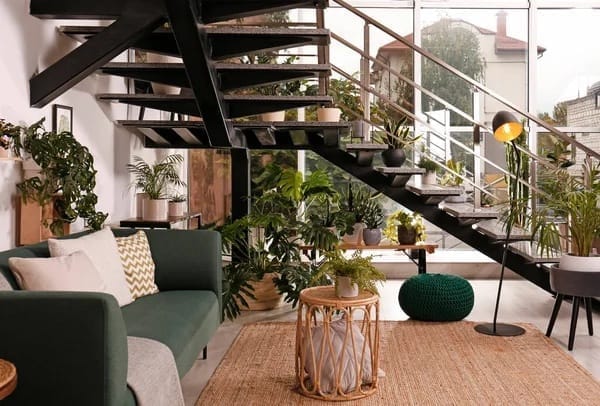
The primary function of your brain is to keep you safe. It does this by constantly scanning your surroundings for potential threats. Am I safe? Is this calm? Can I relax here?
This is evolutionary hardwiring at work.
Our brains evolved in the Paleolithic era, when survival depended on being hyper-attuned to environmental cues, such as the snap of a twig, the rustle of grass or a change in the light. We evolved to scan for threats because our lives depended on it.
Fast forward to today and that Stone Age brain is still with us. The threats are no longer predators lurking in the bushes, but rather cluttered rooms, flickering LED lights, distant traffic hums and interiors that fail to connect with our identity. Yet our brain responds with the same survival systems.
This is known as an evolutionary mismatch: our ancient neurological patterns are activated by modern stimuli that they were not designed to process.
As we live in environments that constantly send subtle, misaligned signals, our nervous systems remain on alert, never feeling fully safe or truly rested.
This is why neuroscience and environmental psychology for interior design and architecture are vital; they provide the means to design spaces that calm the ancient alarm system and nurture true nervous system regulation, hormonal balance, and cognitive clarity.
Research consistently shows how common home elements can trigger a low-grade stress response:
Visual clutter: Studies, including research from Yale University, show that visual clutter affects the way information flows in the brain. This significantly reduces working memory capacity and increases cognitive load. Your brain expends considerable energy trying to filter out irrelevant stimuli, which can lead to mental fatigue and stress responses, including elevated cortisol levels.
Harsh overhead lighting: This includes ceiling recessed spotlights, bare light bulbs and fluorescent lighting. Constant exposure to bright, cool-toned overhead lighting, particularly in the evening and night time, can disrupt your natural circadian rhythm by signalling to your body that it is perpetually daytime. This can suppress the production of melatonin, your sleep hormone, and keep your nervous system on alert, leading to elevated stress hormones such as cortisol, particularly in the evening.
Low-level noise: That constant hum from the refrigerator, the distant traffic drone, or incessant TV chatter isn't harmless background noise. Research indicates that even low-level environmental noise can activate your sympathetic nervous system (your "fight or flight" response) and the hypothalamic–pituitary–adrenal (HPA) axis, leading to the secretion of stress hormones. This constant physiological arousal contributes to annoyance, impaired focus, and chronic stress.
Identity dissonance: This occurs when the design of your home no longer reflects your inner sense of self. This disconnect may manifest as restlessness, subtle anxiety, or a persistent feeling that you cannot fully settle, even when nothing appears to be wrong.
Research shows that this incongruence between who you are now and what your home reflects creates cognitive friction, which can subtly drain your emotional and psychological energy. It's the internal tension of living in a space that reflects an outdated version of yourself, or worse, someone else entirely.
When your home fails to reflect your identity, your brain doesn’t interpret it as neutral. Instead, it interprets it as unknown and uncertain — possibly even unsafe. The result is the subtle, yet chronic, activation of your nervous system’s alert mode.
Even specific design elements, such as unfamiliar cultural décor — like the introduction of new Chinese aesthetic motifs in a Western home — have been shown to affect emotional processing and increase feelings of disconnection if they do not align with personal identity.
Now add to that hormonal shifts (especially significant in perimenopause and menopause), which can heighten sensory sensitivities (auditory, visual, tactile, and even olfactory) and impact sleep, mood, and cognitive function, and you’ve got the perfect storm for chronic energy depletion and a constantly overstimulated nervous system.
5 Common Energy Leaks You Might Be Living With
1. Visual Chaos

Your brain is like a supercomputer, and clutter is like having too many tabs open on a computer.
Even something as seemingly harmless as unfinished tasks, in the form of a cluttered desk or overflowing shelves, can silently overwhelm your brain’s processing centre, leading to mental fatigue before you've even started your day.
2. Sensory Overload
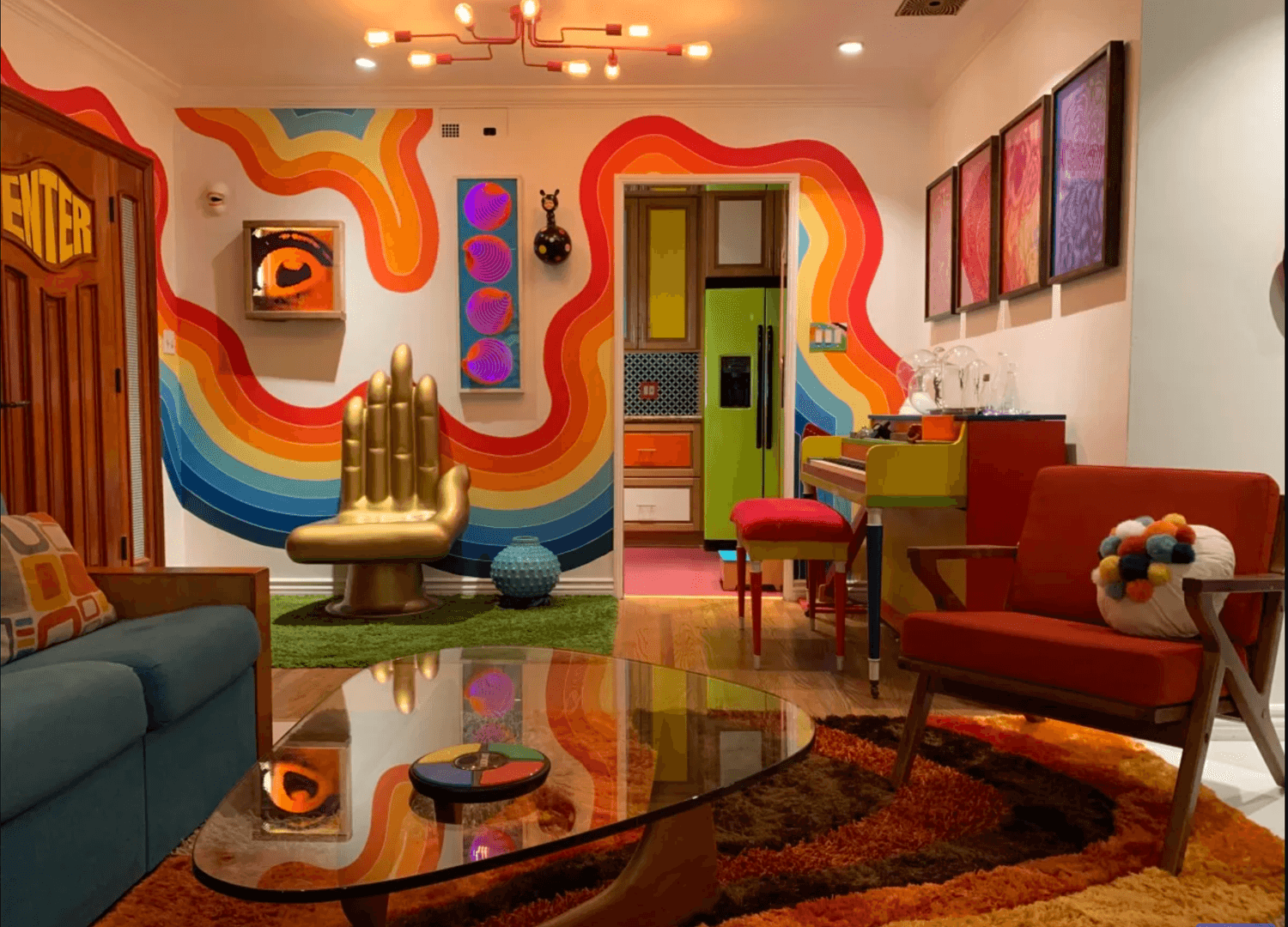
Loud and sharp contrasts, multiple bold colour use, loud echoes, flickering lights, synthetic scents from cleaning products or diffusers—your midlife brain doesn’t have the same sensory buffer it used to.
These inputs chip away at your calm, making it harder to relax or focus.
3. Identity Lag

If your surroundings reflect a past version of yourself that no longer exists, they hold you back emotionally.
Your brain thrives on congruence, so a mismatch between who you are and where you live creates subtle tension and prevents you from expressing your true self.
4. No Rest Cues

Without a consistent soft landing space, such as a designated cosy corner for your nervous system, your brain never receives the clear signal to truly pause, restore and detach from the day's demands.
5. Inconsistent Patterns
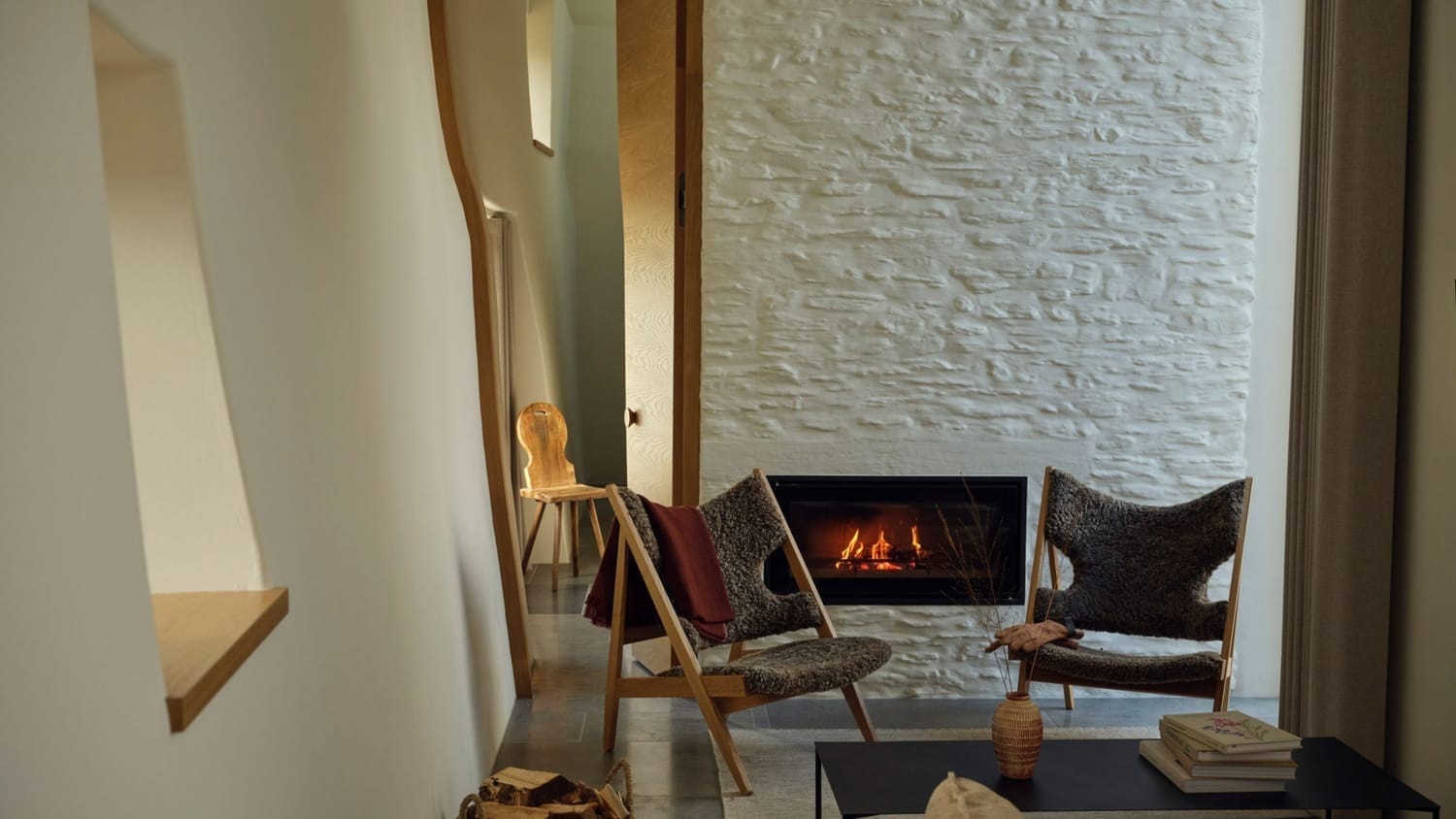
Your nervous system craves rhythm and predictability. Without consistent patterns, such as a designated spot for your daily ritual or a predictable flow in your space, your nervous system can become unanchored and feel subtly on edge.
Designing a Healing Home: Interior Design for Wellness Starts Here
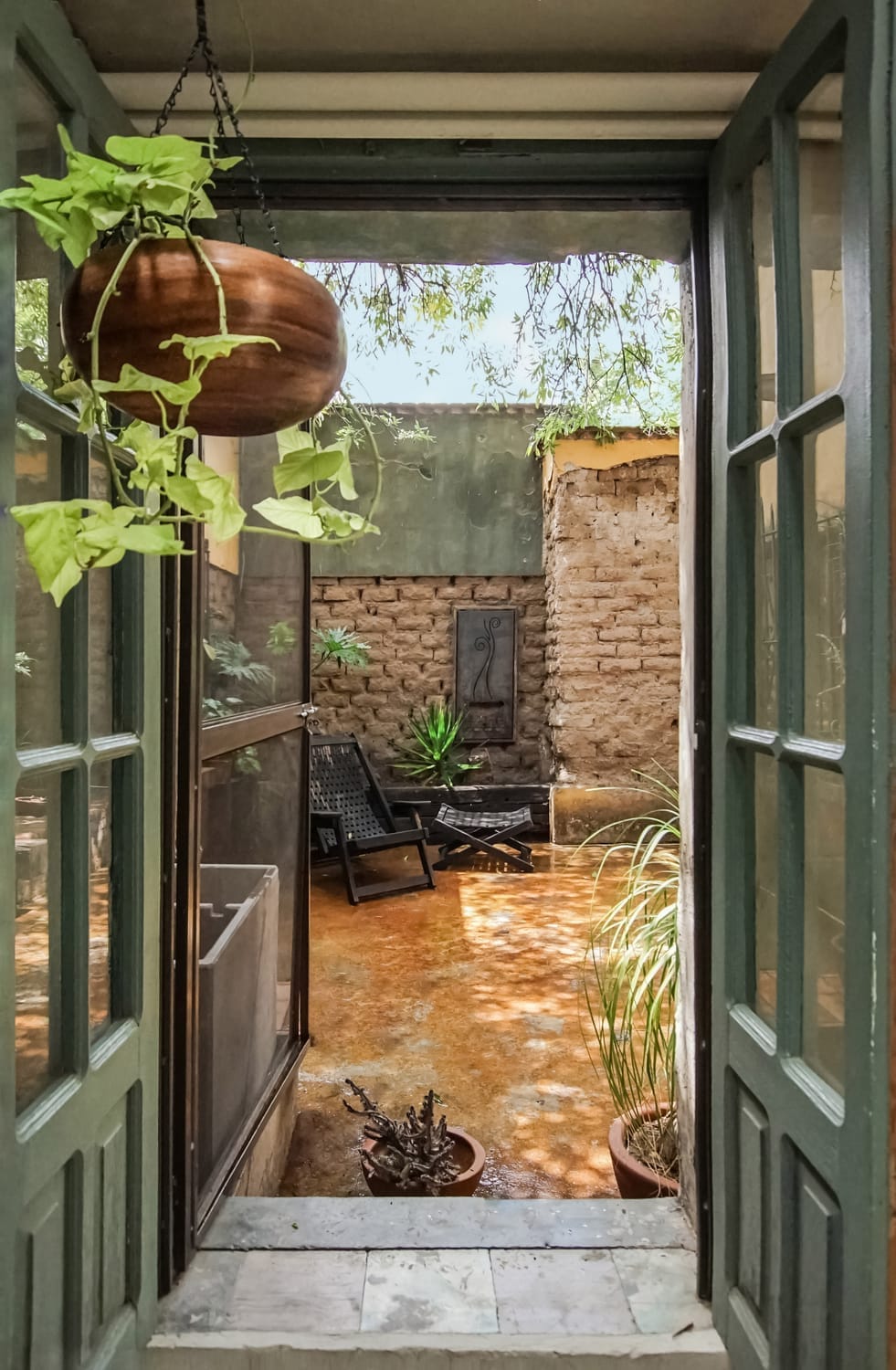
You don’t need to move house. You don’t need a total renovation.
You need alignment. You need human-centered design that supports your unique biology.
Here’s what that looks like:
A daily rhythm of natural light that supports your circadian cycle, guiding your body's natural energy patterns.
Decluttering that isn’t just aesthetic—it’s profound neurological self-care, freeing up mental bandwidth.
Textures and tones that strategically reduce sensory input instead of amplifying it, creating a calm backdrop for your life.
Micro-zones in your home that clearly tell your body, “You’re safe here, you can relax now.”
Where to Start (Immediate Observations You Can Apply)
You can begin small and immediately notice a difference:
Choose one room. Start with the space where you feel the most drained or overwhelmed.
Remove one piece of visual clutter. Just one. Put it away, or decide if it no longer serves you.
Add one cue of safety. This could be a soft throw blanket on your sofa, a warm-toned lamp, or simply clearing a corner for a plant.
Then, take a moment. Notice how your body responds. How does the air feel? How does your mind feel?
Calm happens when your environment supports your biology—not fights it. This is the foundation of a truly healing space.
"A house is much more than a mere shelter; it should lift us emotionally and spiritually."
— John Saladino
Take Action Today
If you are ready to translate these insights into tangible changes in your own space, here are a few pathways I offer:
Dive Deeper: For a comprehensive guide with practical, step-by-step strategies grounded in neuropsychology to help you design a truly brain-friendly home, explore my e-guides to learn and implement changes you can begin making in autonomy and at your own pace. Explore the e-guides here.
Join the Reinvention Mastery or Reinvention Essentials 6-month coaching program for women navigating perimenopause and postmenopause, and who want to learn how to use their spaces to support the evolution of their next chapter. The next cycle begins July 1st. Learn more about that here.
Personalised Insight: If you'd like tailored guidance on how the specific dynamics of your home environment are impacting your well-being and receive expert recommendations for change, consider booking a Home Diagnostics Session.
Ongoing Support: For continued learning, gentle accountability, and connection with a community exploring these ideas, you are welcome to join my Community. It is new and we are excited for where it is going.
Frequently Asked Questions
1. What is an “energy-leaking” home?
It’s a space that subtly drains your mental and emotional energy—through noise, clutter, harsh lighting, and other environmental stressors—without you realising it.
2. How do I know if my home is affecting my nervous system?
If you feel wired but tired, foggy, overstimulated, or emotionally off when you are at home—even after resting—your space may be over stimulating your stress response.
3. Isn’t it just my hormones making me feel this way?
Hormones play a big role, especially in perimenopause and postmenopause; but your environment can either calm or amplify those symptoms. It’s not one or the other. It’s both.
4. Do I need to renovate or move to fix this?
Not at all. Simple changes—like adjusting lighting, reducing clutter, and adding calming sensory cues can dramatically shift how your home environment makes you feel.
Want expert help designing a home tailored to your cognitive needs? Book a 1-hour Home Diagnostic Consultation today.
Let’s create a space that enhances your focus, creativity, and mental well-being. Book your1-hour Home Diagnostic Consultation to create a brain friendly and supportive home.

SHARE




POST CATEGORY