

The Kitchen Reset: Designing Your Hormone & Mental Health Sanctuary
The Kitchen: Your Unsung Ally for Hormonal Balance and Mental Well-being
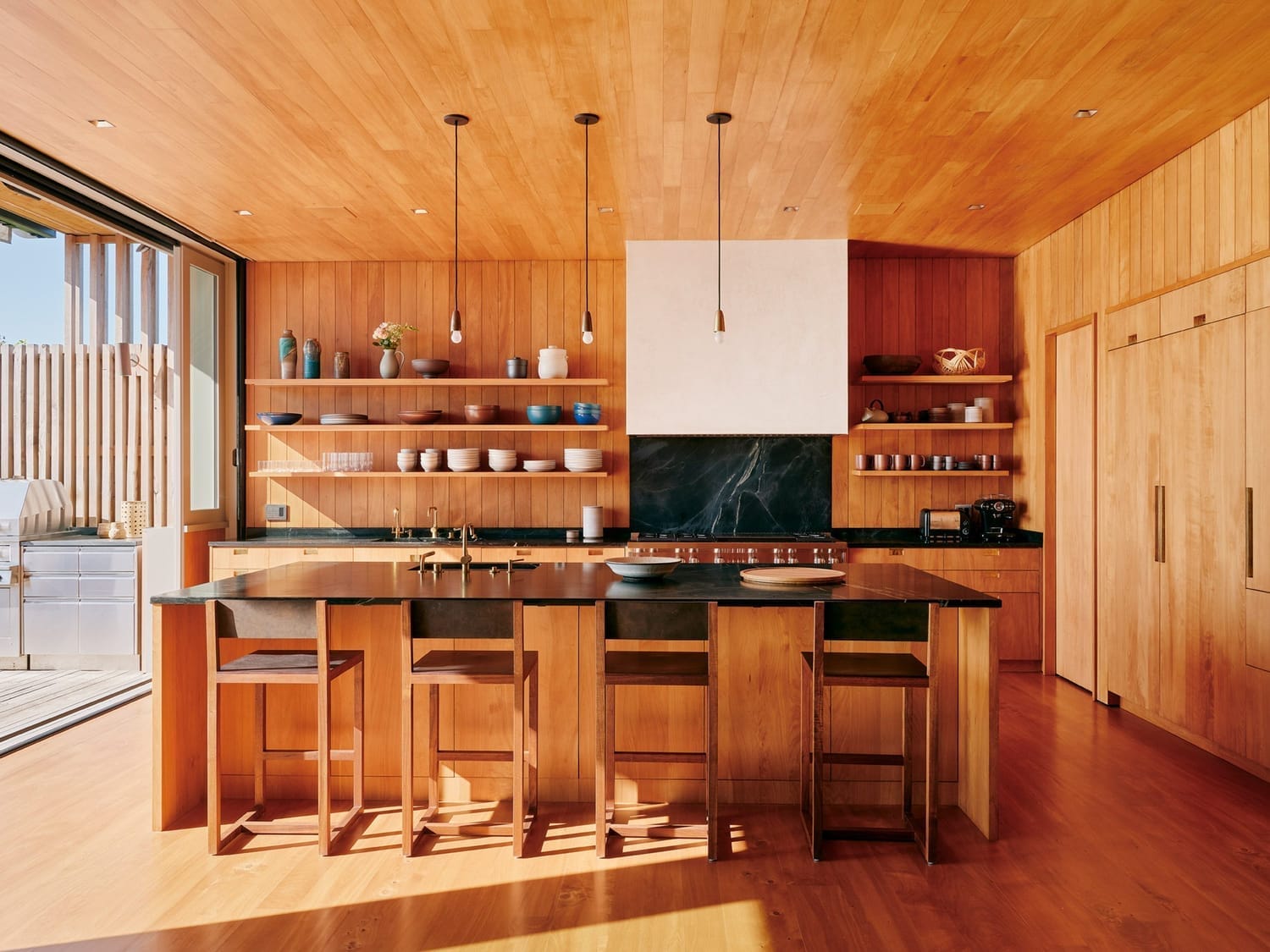
People often view the kitchen as simply a place for meal prep, but it holds a profound and often overlooked power.
Beyond recipes and routines, it is a vital, dynamic space through which your hormonal balance and mental health can be profoundly impacted. For high-achieving women, especially those navigating the unique challenges of midlife, recognising this link is not just beneficial, it is essential for long-term well-being and success.
In this journal, we explore how your kitchen can become an ally for your nervous system, a sanctuary for your hormones and a powerful tool for reshaping your mindset around home and self-care.
We will explore how you, armed with neuropsychological insights, can transform your kitchen from a mere functional space into an emotionally resonant environment that actively promotes your well-being.
The fast-acting, subcortical regions of our brains—especially the amygdala, basal ganglia, and hypothalamus—responds first to our environment. We don’t analyse space. We feel it.
Kitchen Design for Wellness: Reclaiming the Hearth as Sanctuary

For millennia, the hearth was humanity's first true home. It wasn't just a place to cook food; it was the centre of communal life, where stories were shared, safety was found and emotions were regulated. Anthropologists refer to it as the 'birthplace of culture', as it fostered the very cognition that defines our humanity.
Sitting around the fire, we found rhythm, connection, and a primal sense of security.
However, fast forward to today and our kitchens, designed for maximum output and efficiency, have lost this intrinsic connection to well-being. They have become sterile, overstimulating task zones, designed to help us tick things off our to-do lists rather than nurture women going through changes.
This disconnect between our ancient instincts and our modern environment creates subtle yet persistent internal stress.
Insightful takeaway:
Your subconscious mind remembers the original purpose of the kitchen. If you feel disoriented or drained in your own kitchen, it is not a personal failing, but rather a sign from your innate human wiring, that there is a mismatch between your environment and your biological need for safety, rhythm and presence.
The Midlife Mismatch: How Your Kitchen Can Trigger Stress
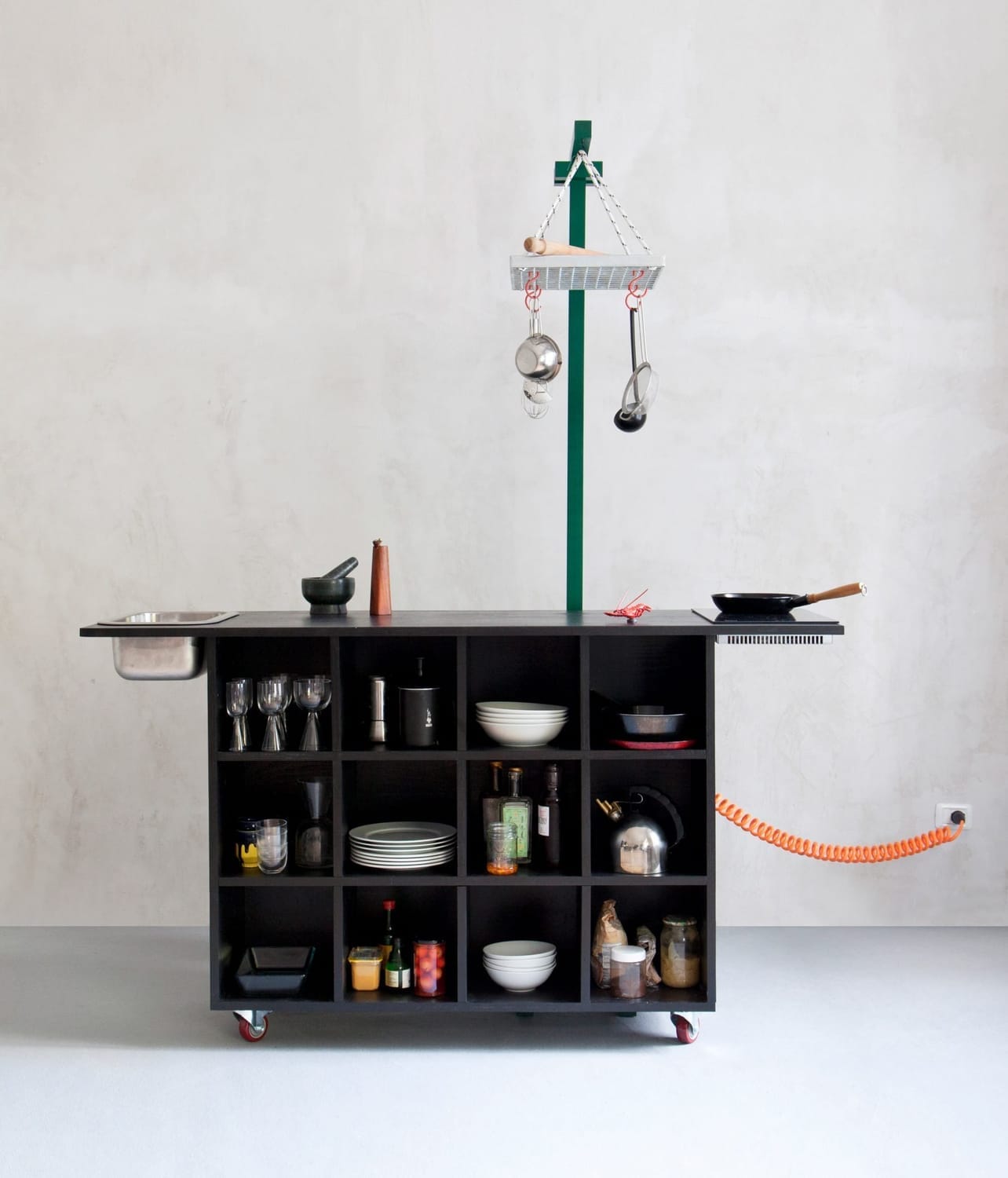
"Because we are embodied beings moving through time and space… our memories have spatial and temporal contexts—and these memories accumulate to form our identities.”
— From the ecological psychology and neuro identity insights of architectural scholars
For women in midlife, especially those experiencing perimenopause and postmenopause, an unsupportive kitchen has a greater impact. As oestrogen levels fluctuate and decline, the brain can become more reactive to stress.
This means that your nervous system, which constantly scans your environment for safety cues, becomes acutely sensitive to the messages that your kitchen sends out.
Consider these common modern kitchen features from the perspective of both your nervous system and an interior designer:
Harsh, Overhead LED Lighting
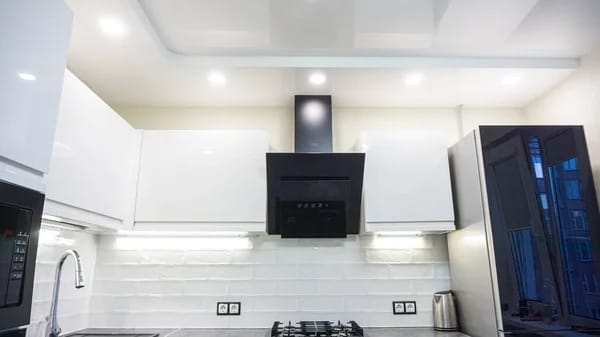
Designed for visibility, not ambiance, these lights can mimic high-noon sun or emergency lighting, signaling danger to your primitive brain.
This can elevate cortisol, the stress hormone, contribute to eye strain, and disrupt your natural circadian rhythm. A designer understands that layered lighting is crucial for emotional resonance, not just function.
Open Shelving and Visual Clutter

While aesthetically popular, open shelving often leads to visual noise.
Your brain works harder to process every item, creating a subtle but constant cognitive load. This can lead to decision fatigue even before your day truly begins.
An interior designer helps you differentiate between curated display and distracting clutter, crafting visual calm.
Acoustic Overload
Open-plan kitchens, while social, can be echoey and filled with a cacophony of appliance hums, family chatter, and clattering dishes.
For a nervous system already on high alert due to hormonal shifts, this constant auditory input is sensory overload, preventing true rest and recovery.
A designer knows how to introduce sound-dampening materials and strategic layouts.
Poor Flow and Functionality
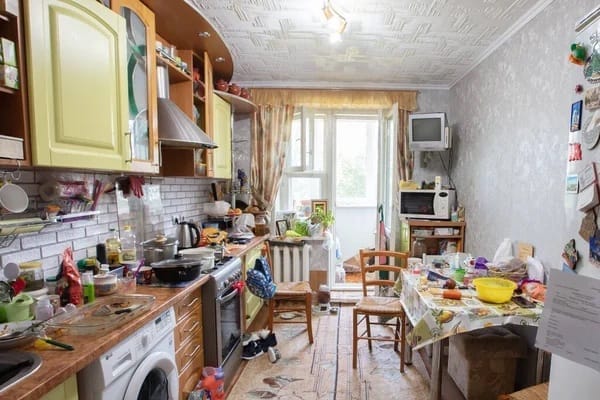
The classic "work triangle" (sink, fridge, hob) prioritizes linear efficiency, not the cyclical, intuitive movements that might be more calming.
If your kitchen layout forces illogical movements or makes tasks feel like a chore, it contributes to decision fatigue and physical stress, keeping your nervous system "on."
An interior designer reimagines flow to support your unique daily rhythms and reduce physical friction.
Lack of Natural Textures and Warmth
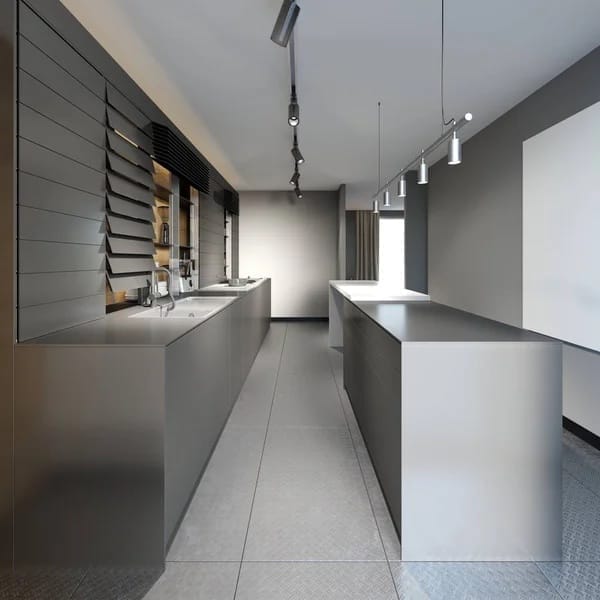
Sterile, hard surfaces (stainless steel, certain tiles) lack the grounding, comforting qualities of natural materials like wood, stone, or woven textures.
A lack of visual warmth can reduce oxytocin response, the "love hormone" associated with bonding and calm.
A designer thoughtfully selects materials that appeal to touch and sight, fostering a sense of biophilic connection.
We often assume we’re reacting irrationally when our kitchens make us feel agitated or drained. But this isn’t a mindset issue—it’s biology.
According to Nobel Prize-winning psychologist Daniel Kahneman, the human brain operates with two core systems:
System 1: Fast, instinctive, and emotional—it reacts immediately to sensory stimuli.
System 2: Slow, deliberate, and logical—it evaluates after the fact.
Your kitchen’s lighting, clutter, noise, and texture are processed first by System 1—particularly by parts of the brain like the amygdala and hypothalamus, which evolved to keep you safe on the savannah.
These parts don’t reason—they feel.
That is why a cold, echoey, cluttered kitchen feels off before you can articulate why.
Your brain is scanning for safety cues long before your rational mind catches up.
When your kitchen constantly overstimulates, your body isn't tired, it is responding and protecting you.
Your nervous system stays wired, hormones continue running, and over time, your reserves dry up.
Insightful Takeaway:
Your kitchen is more than just a backdrop to your life; it actively influences your hormones and mental state. The first step towards reclaiming your well-being is recognising common kitchen stressors as biological triggers, not personal failings.
An interior designer can apply neuropsychological principles to transform these triggers into therapeutic design elements.
NeuropsychologyTools for Kitchen Calm: Engaging the Brain to Create Sanctuary

“Sensory experiences that appear ‘mild’ or ‘normal’ can have cumulative effects on the nervous system, especially when they disrupt circadian rhythms or sensory harmony.”
— Environmental Psychology Handbook, 2nd Edition (Gifford, 2014)
The good news is you don’t need a full renovation to design a kitchen that soothes your nervous system. What you do need is a mindset shift—from seeing your kitchen as a productivity zone to embracing it as a therapeutic space that supports your biology.
This shift engages more than your style sense—it calls on specific brain regions responsible for reflection, self-awareness, and intention.
An understanding of neuropsychology for interior design helps you understand how to translate this inner shift into concrete, calming design solutions.
But it starts with how you engage with your space.
Mindset Tools That Activate the Calming Brain
The “How Do I Want to FEEL?” Exercise
Before rearranging anything, pause.
Close your eyes. Ask yourself, How do I want to feel in this space?
Calm? Inspired? Nourished?
This emotional goal activates your dorsolateral prefrontal cortex (DLPFC)—the area responsible for planning and prioritisation—shifting you from reacting instinctively, to designing with intention.
It becomes your internal compass for every design decision that follows.
The “Energetic Audit”
Walk into your kitchen as if you’ve never seen it before.
Where does your energy dip? What causes friction [ blinding overhead light, a cluttered counter, a cold corner with no purpose]?
This moment of reflection engages your anterior cingulate cortex (ACC), the brain’s built-in system for identifying conflict between what you feel and what you want. Noting those dissonances gives you specific, actionable clues for transformation—insights a skilled designer can turn into sensory and spatial relief.
The “Presence Practice”
Even in a less-than-ideal kitchen, slowing down shifts everything.
When making tea, feel the warmth of the cup. When prepping food, notice textures and smells.
This practice recruits your prefrontal cortex, the seat of conscious awareness and regulation.
While your amygdala and hypothalamus may register the space as chaotic, this higher brain function allows you to reassess, reframe, and begin rewiring your emotional memory of the kitchen from a task-driven zone to a place of grounded being.
Insightful Takeaway:
Whether you are aware of it or not, your kitchen is communicating with your nervous system. By practising conscious engagement, you're changing not only how your kitchen looks, but also how it makes you feel at neurological, memory-related and hormonal levels.
These seemingly small actions activate the neurobiological systems responsible for safety, calmness and creativity, turning your kitchen into a true ally in the promotion of your well-being.
Practical Tools for Nervous System Support in Your Kitchen: An Interior Designer's Perspective
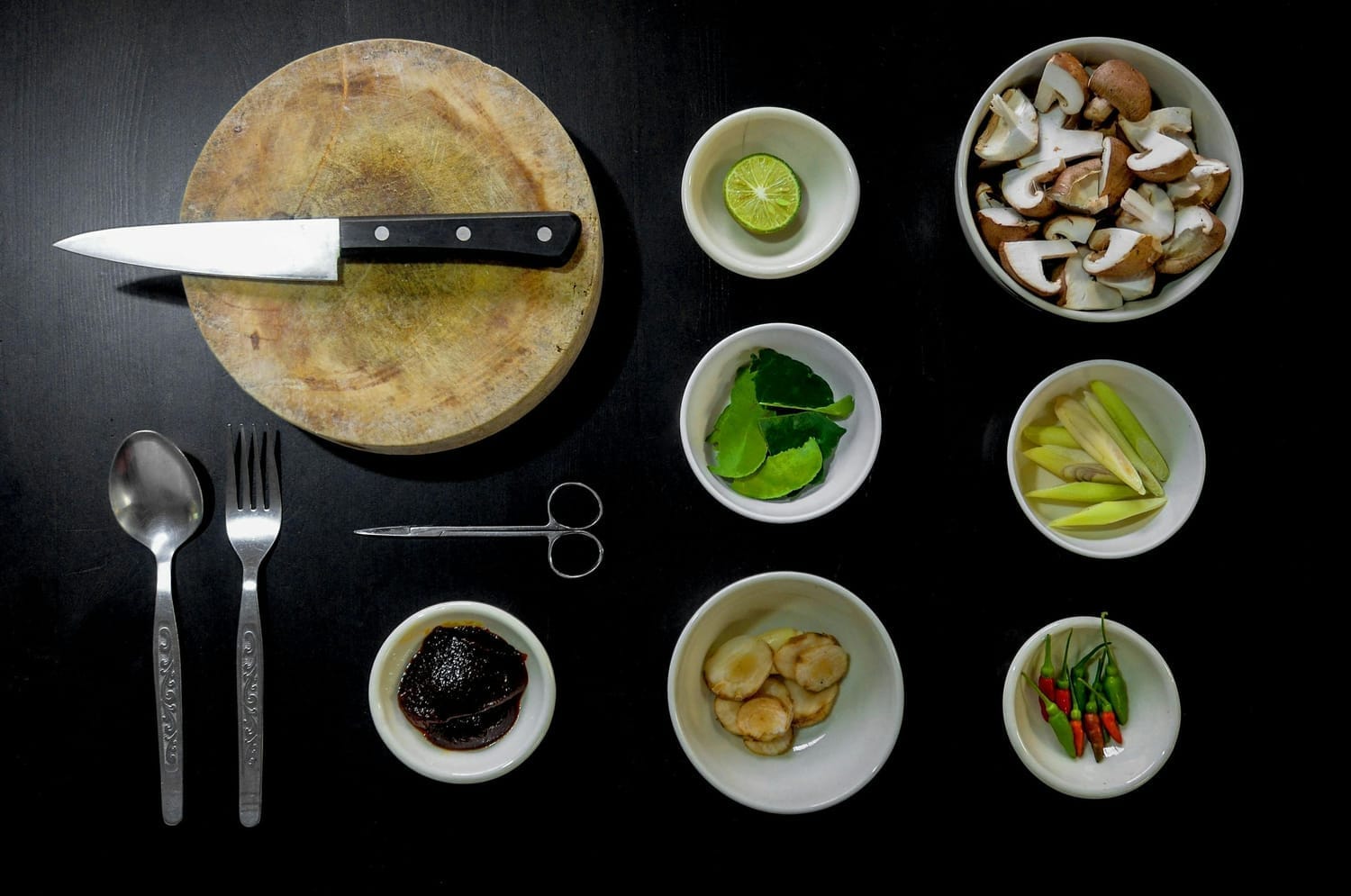
Once you have shifted your mindset, you can implement concrete changes:
1. Use Light as a Regulator
The Power of Layered Illumination
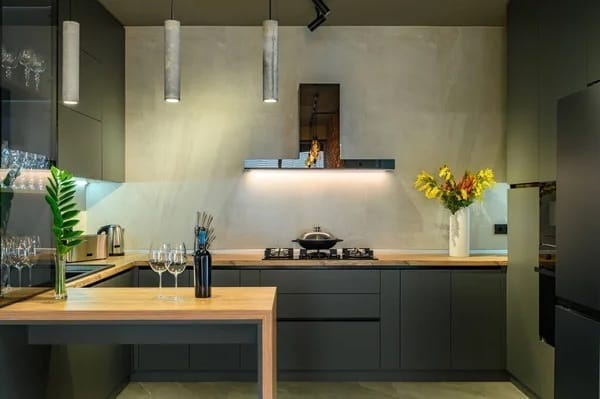
Beyond the Single Overhead: Harsh overhead lighting can disrupt a calm nervous system. Design with layered lighting to create versatility and control.
Task lighting for clarity: Essential for safety and focus, under-cabinet lighting provides bright, glare-free illumination directly onto countertops for preparation work, ensuring clarity without overstimulation in the wider space.
Perimeter lighting for depth and calm: Consider strip lighting within toe kicks, above cabinets or within shadow gaps. This subtle, indirect lighting creates depth and accentuates architectural features, adding a calming, ambient glow akin to moonlight or a distant fire. It guides the eye and introduces a sense of spaciousness and peace.
Accent lighting for ambience: Pendants over an island or small, warm-toned lamps on open shelves (if curated carefully) can create focal points and provide a warm, inviting glow. This fosters a sense of intimacy and cosiness, which is crucial for oxytocin release.
Dimmer switches and smart lighting: These are non-negotiable. They allow you to instantly change the mood and light intensity of your kitchen, shifting from bright task lighting to a soft, relaxing evening glow.
2. Visual Calm & Cognitive Ease
The Art of Strategic Concealment and Curation
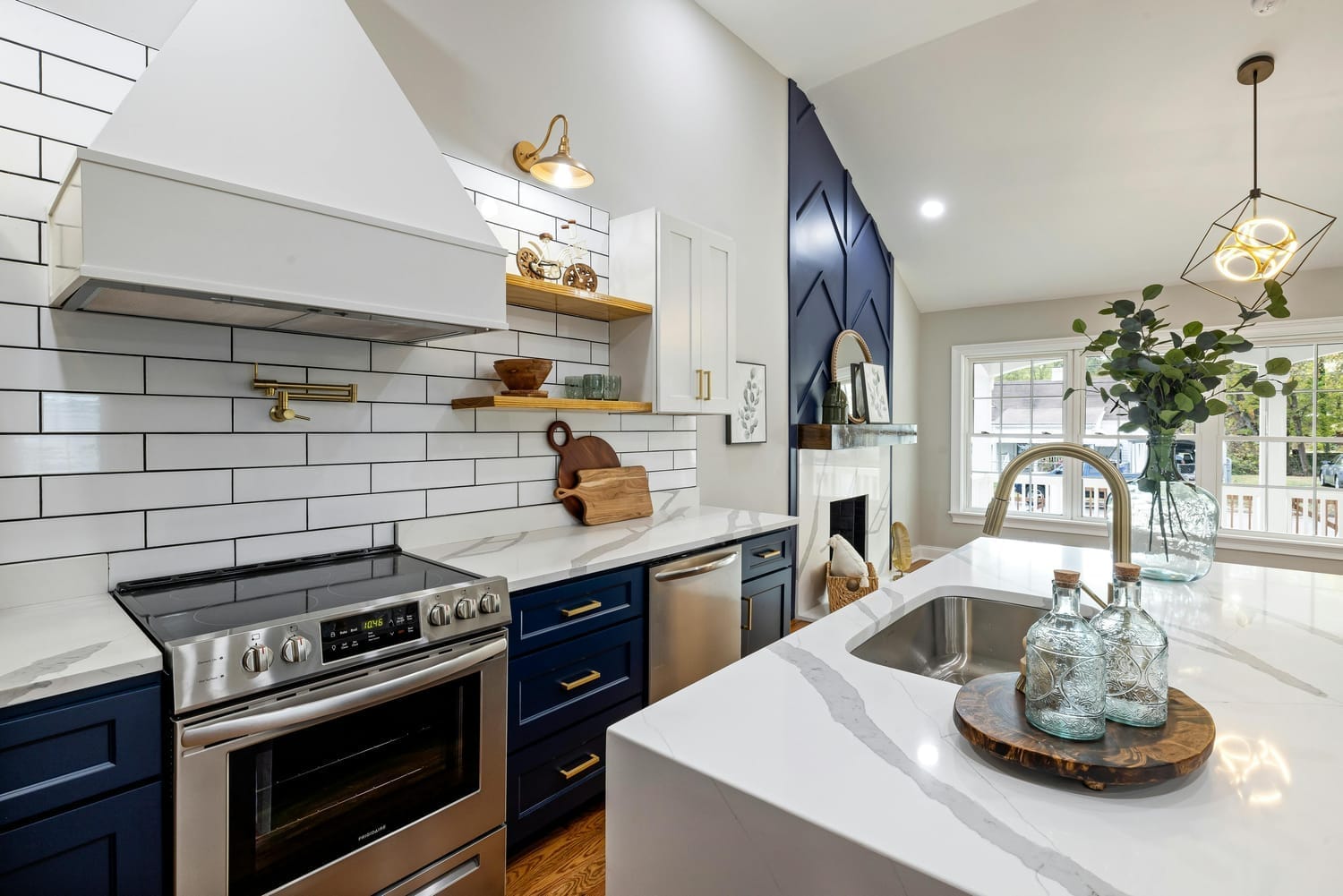
Embrace Closed Storage As a Neuro-Design Tool: Prioritise seamless, floor-to-ceiling cabinetry and deep drawers. Designers use clever storage solutions, such as pantry systems and appliance garages, to hide visual noise and allow your brain to truly rest. 'Out of sight, out of mind' is a powerful neuropsychological principle for achieving visual calm.
Declutter With Intention: Clear countertops are essential for a calm nervous system. A designer can help you establish intuitive 'homes' for every item, minimising decision fatigue before breakfast.
Curate With Purpose: If open shelving is desired, it should be treated as a gallery, not a pantry. Only display a few visually cohesive and personally meaningful items (e.g. handmade ceramics). The fewer objects your brain has to process, the more serene your space will feel.
Integrate Greenery Strategically: A few carefully placed plants, such as trailing pothos or sculptural snake plants, introduce biophilic elements and connect you to nature, which has an inherently calming effect on the nervous system.
3. Sensory Grounding
Engaging Touch, Sound, and Scent Thoughtfully
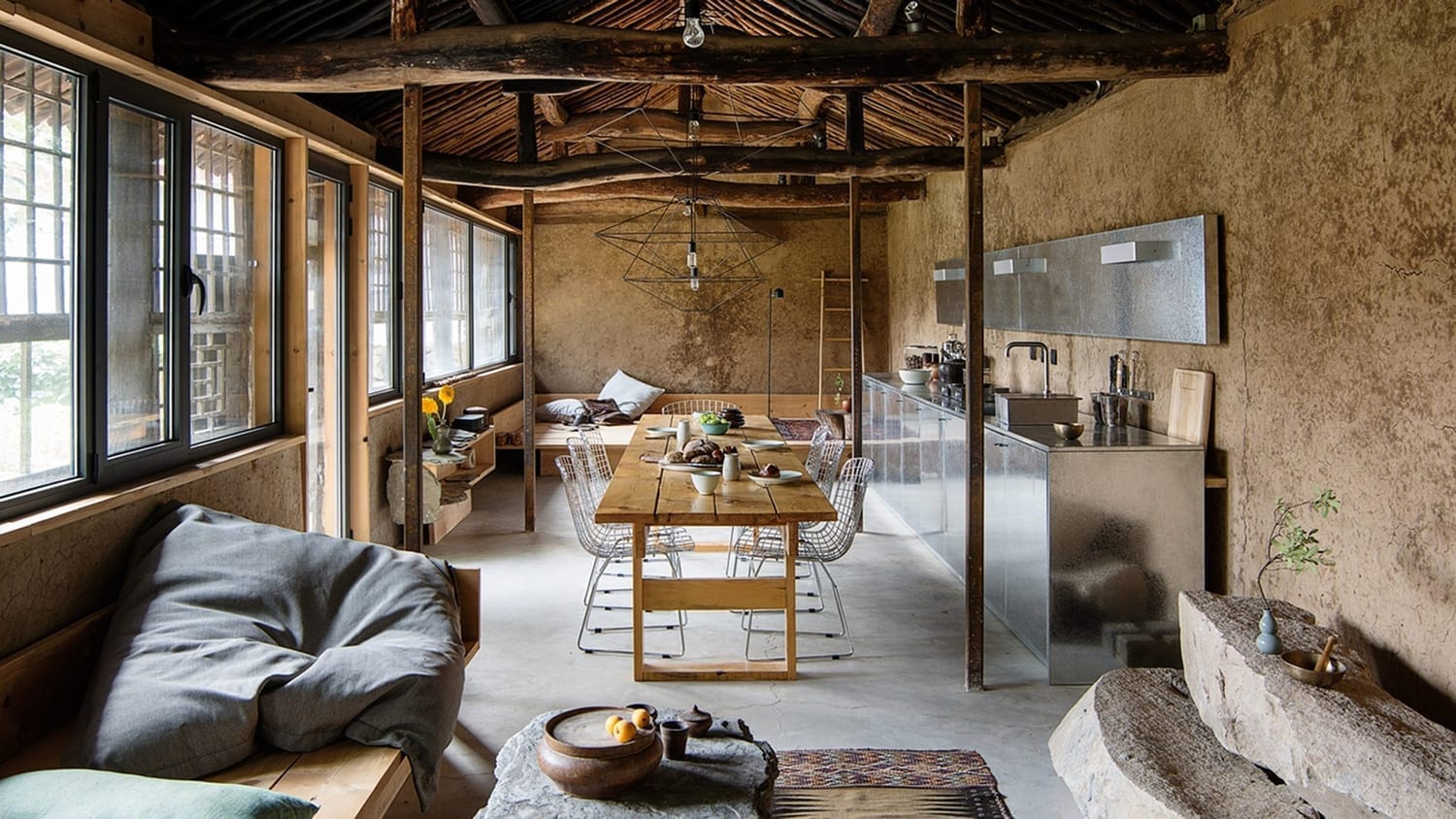
Natural Textures for Tactile Comfort: Layer your kitchen with materials that feel good to touch and see. Think warm wood countertops, textured backsplash tiles, linen dish towels, hand-thrown pottery. These natural elements evoke a sense of grounding and authenticity, contrasting with harsh, sterile surfaces.
Acoustic Comfort through Design: In open-plan spaces, you can strategically integrate soft furnishings (e.g., upholstered bar stools), cork flooring, or even acoustic panels disguised as art to absorb sound. Choosing quieter appliances also plays a crucial role in reducing background auditory stress.
Subtle Aromas for Mood: Beyond cooking smells, integrating essential oil diffusers with calming scents (lavender, frankincense) can become part of your kitchen's non-cooking ambiance, shifting its energetic signature.
4. Flow & Rhythm
Designing for Intuitive Movement and Rest
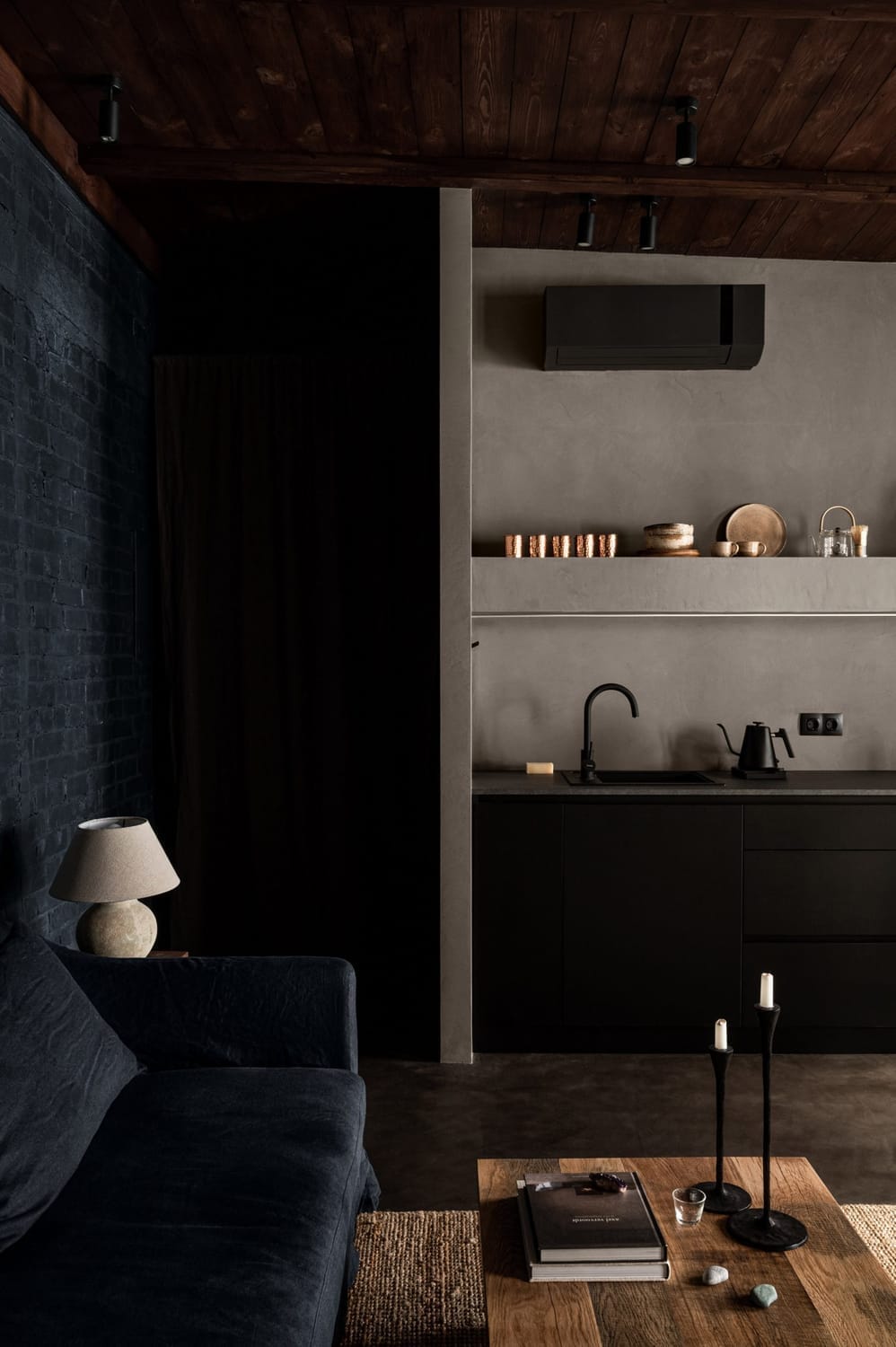
Beyond the Triangle: Human-Centric Zoning: Rather than working within rigid work triangles, a designer creates intuitive zones based on your actual habits, such as a dedicated coffee station, a baking zone and a highly organised prep area near the waste disposal unit. This reduces unnecessary steps and cognitive effort.
Strategic "Pause Spots": Adding a comfortable bench or an inviting armchair by a window creates a vital "exhale zone". It's not just a seat, but a designated space for enjoying a cup of tea, taking notes or simply gazing outwards. This allows your nervous system to relax without having to leave the kitchen.
Visual Pathways: Make sure you have clear pathways and intuitive storage to prevent bottlenecks and mental friction. This creates a sense of effortless organisation and movement.
The Kitchen as Your Personal Regulation Hub
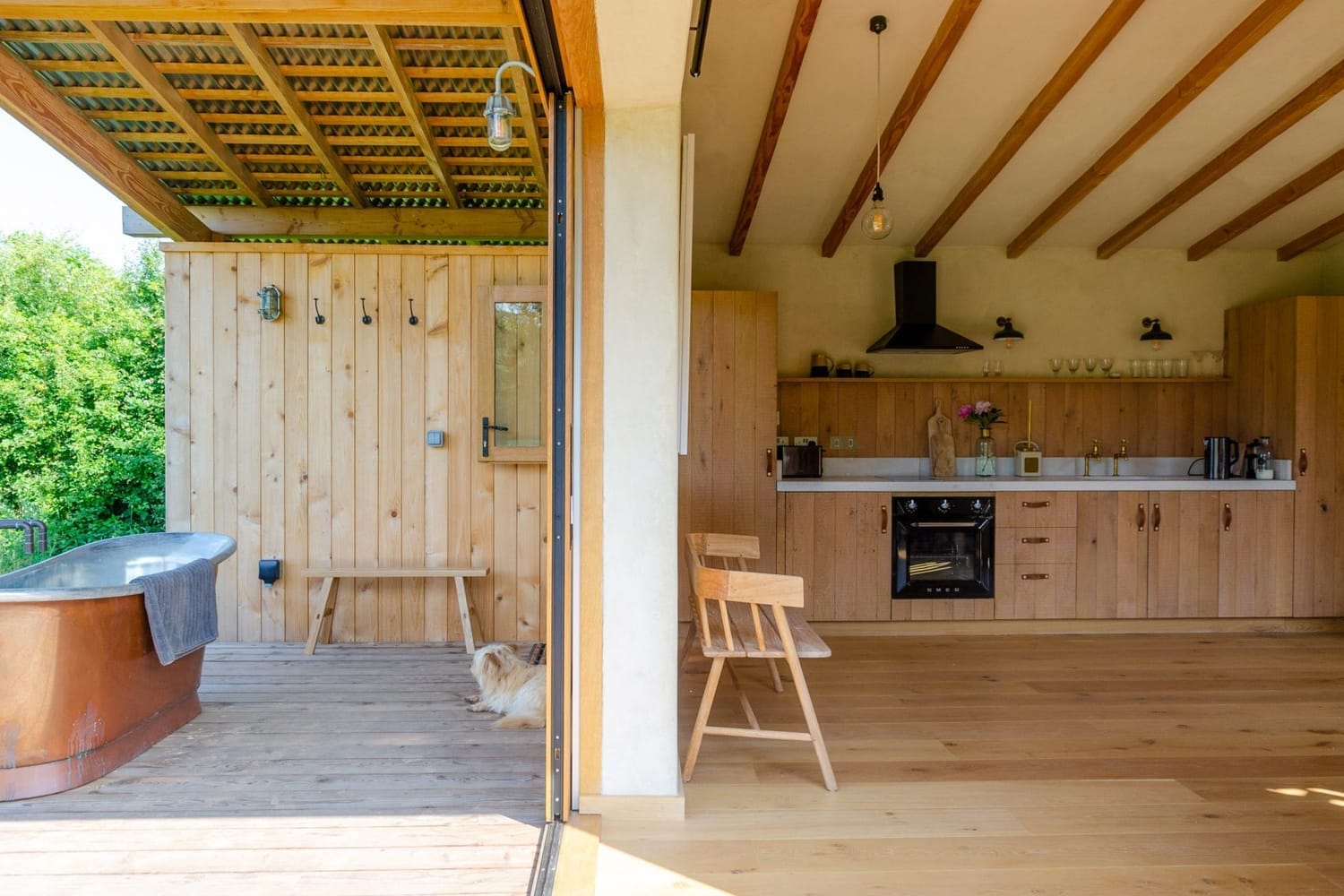
When redesigning your kitchen, it's important to consider your nervous system and hormonal balance. It's about creating an environment that actively supports your well-being.
When your space speaks the language of your biology, you foster a profound sense of safety, rhythm and calm. With their expertise in layering function, aesthetics, and neuropsychology, an interior designer can create a kitchen that is truly emotionally resonant.
This intentional curation of the heart of your home allows you to show up with more energy, clarity and peace during mealtimes and in every other aspect of your high-achieving life. Your kitchen will truly become a sanctuary and a powerful ally in your personal and professional transformation journey.
Take Action Today
If you are ready to translate these insights into tangible changes in your own space, here are a few pathways I offer:
Dive Deeper: For a comprehensive guide with practical, step-by-step strategies grounded in neuropsychology to help you design a truly brain-friendly home, explore my e-guides to learn and implement changes you can begin making in autonomy and at your own pace. Explore the e-guides here.
Join the Reinvention Mastery or Reinvention Essentials 6-month coaching program for women navigating perimenopause and postmenopause, and who want to learn how to use their spaces to support the evolution of their next chapter. The next cycle begins July 1st. Learn more about that here.
Personalised Insight: If you'd like tailored guidance on how the specific dynamics of your home environment are impacting your well-being and receive expert recommendations for change, consider booking a Home Diagnostics Session.
Ongoing Support: For continued learning, gentle accountability, and connection with a community exploring these ideas, you are welcome to join my Community. It is new and we are excited for where it is going.
Frequently Asked Questions: The Kitchen Reset
1. What is a “kitchen sanctuary,” and how does it support hormone health?
A kitchen sanctuary is a thoughtfully designed space that reduces sensory overload, supports nervous system regulation, and aligns with your emotional and biological needs—especially during hormonal transitions like perimenopause. It’s less about aesthetics, more about how your body feels in the space.
2. How can interior design really affect my stress levels or mental clarity?
Design elements—like lighting, acoustics, clutter, and flow—are processed by your brain constantly. If those elements signal chaos, your nervous system stays on high alert. When design supports calm, your stress hormones lower, your focus returns, and your energy stabilizes.
3. Is this just for women going through menopause?
No. While midlife women are especially sensitive to environmental stressors due to hormonal fluctuations, anyone navigating high stress or sensory fatigue can benefit from a more nurturing, emotionally intelligent kitchen space.
4. I can’t afford a renovation. Can I still make changes?
Absolutely. Small shifts—like adjusting lighting, clearing clutter, or introducing calming textures—can dramatically shift how your kitchen feels. The strategies shared in this article are designed to be actionable regardless of budget.
5. What’s the first step to making my kitchen more emotionally resonant?
Start with intention. Ask yourself: How do I want to feel in this space? Then identify one friction point (too much noise, harsh light, visual clutter) and take one step to soften or simplify it. Change starts with awareness—and momentum builds from there.
Want expert help designing a home tailored to your cognitive needs? Book a 1-hour Home Diagnostic Consultation today.
Let’s create a space that enhances your focus, creativity, and mental well-being. Book your1-hour Home Diagnostic Consultation to create a brain friendly and supportive home.

SHARE




POST CATEGORY