

The Quest For The Anti-Anxiety Home. Why Most Modern Homes Are Bad for Your Brain—and How to Take Back Control
The Silent Crisis in Modern Design
In today’s fast-paced world, many of us biohack our diets, sleep, and workout. We understand the intricacies of work pressure, digital overwhelm, hormonal shifts and poor nutrition, and many of us have a good handle on these - thanks to the availability of amazing thought leaders making knowledge accessible.
However, few of us consider one of the most powerful and overlooked contributors to chronic stress and anxiety:
The design of our own homes.
And here is the crisis: modern home design is often at war with your nervous system, hormonal health, and cognitive clarity.
The mantra architects lived by in the days of Frank Lloyd Wright and Peter Zumthor: 'spaces are designed for people not people for spaces', was a north star for creating buildings and spaces.
These days there is a disconnect, and the reality is often the opposite.
"Form follows profit is the aesthetic principle of our times"
- Richard Rogers
With the rise of the fast and clone-like residential developments becoming the norm in urban areas ( and which are very quickly creeping up on suburban areas where i live), it is people who have to fit into spaces that ignore their biology, needs, and rhythms.
Modern residential developments prioritise efficiency, density, and aesthetic trends, and very often at the expense of our nervous systems, hormonal health, and cognitive clarity.
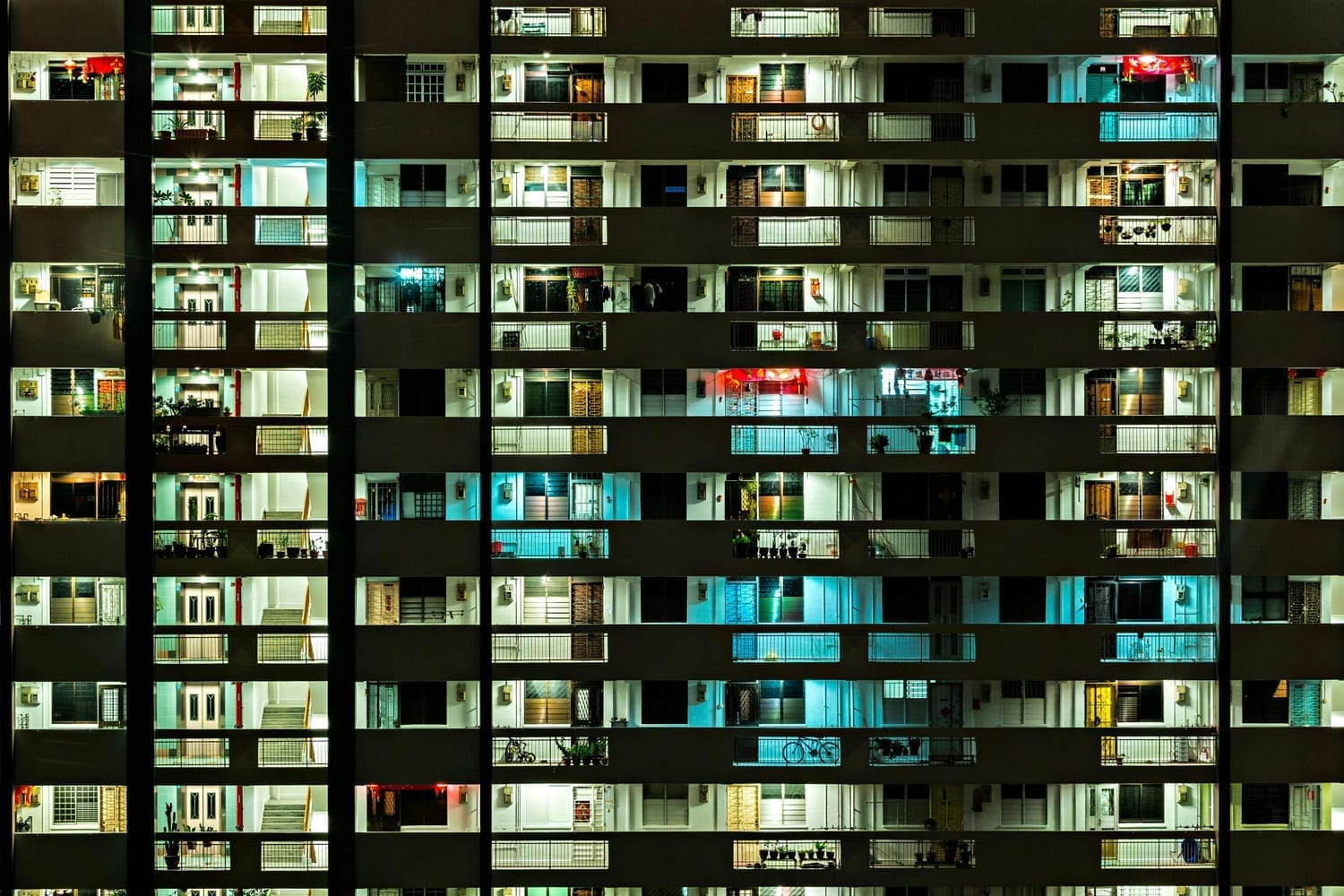
This series i am sharing this week was triggered by the large scale, building project that is taking shape alarmingly quickly right next door to my apartment building. The 'uniform' nature of the buildings and the promise of more human and vehicular traffic, as well as the introduction of more junk light and noise has me on this race to begin my search for a new home, further out into the suburbs of Ile de France.
"I think the biggest problem with 'industrial' architecture is that it's lost its sense of humanity. Minimalist stuff drains all the humanity out of it. That idea works great for the money thing, but it doesn't work great for the feeling thing."
- Frank Gehry
With the rise of the fast and clone-like residential developments becoming the norm in urban areas ( and which are very quickly creeping up on suburban areas where i live), it is people who have to fit into spaces that ignore their biology, needs, and rhythms.
Modern residential developments prioritise efficiency, density, and aesthetic trends, and very often at the expense of our nervous systems, hormonal health, and cognitive clarity.
This series i am sharing this week was triggered by the large scale, building project that is taking shape alarmingly quickly right next door to my apartment building. The 'uniform' nature of the buildings and the promise of more human and vehicular traffic, as well as the introduction of more junk light and noise has me on this race to begin my search for a new home, further out into the suburbs of Ile de France.
We call our homes sanctuaries, but they are often built like products—optimised for square footage, resale value, and market appeal, not human healing. The result? Spaces that may look beautiful but feel biologically unsafe.
So what exactly is the problem here? The elephant in the room that everyone who doesn't own a standalone home is dealing with is the crisis of the 'bottom line' in residential developments, how this crisis encroaches more on just physical space and how we can start to rethink how these spaces support us by adapting tangible strategies that give us control over our health in residential environments.
When Your Home Triggers You: How Modern Design Over Stimulates the Brain
Walk into most modern homes and you will notice something strange: they tend to be visually sleek but neurologically hostile.
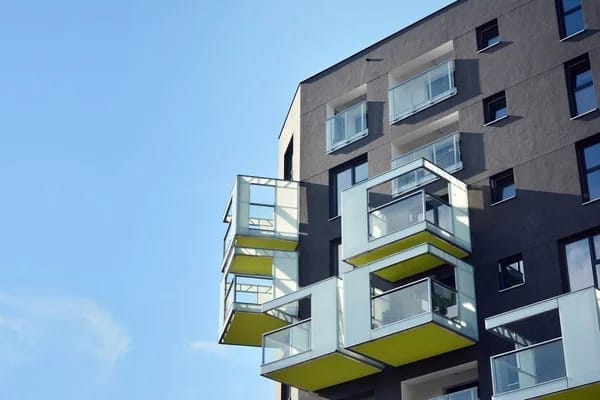
Most modern residential spaces—especially in urban settings—are built with one goal: maximum output for minimum square footage.
Developers prioritise:
Profit per square metre
Minimal construction time
Visual appeal for resale
What gets left behind? Human biology. Sensory needs. Hormonal rhythms.
Common design pitfalls I have noticed in today’s homes include:
Poor ingress of natural light and over-reliance on cold artificial lighting: primarily due to not orienting windows to align with the natural circadian cycles.
Poor ventilation and toxic off-gassing materials
Hard materials that amplify noise and echo
Layouts that lack spatial zoning and overwhelm visual fields
Spaces that encourage visual clutter, and tech saturation
These design decisions may seem minor, but their cumulative neurological impact is profound.
The Mental-Health Cost of Modern Homes
On a general scale we are witnessing a rise in burnout, chronic anxiety, sleep dysfunction, cognitive fog and hormonal imbalances.
And the environments we inhabit are not neutral in this equation. They interact constantly with our nervous system—triggering stress responses or supporting regulation.
A case study on Residential Crowding & Mental Health in Beijing of 1,613 Beijing residents, showed that higher crowding (fewer square meters per person) significantly correlates with depression, especially in women and families with children.
Even better-intentioned “retrofits” can trap heat, pollutants, and mold in social housing—harmful for the very residents they intend to help, according to this research paper by Arman Hashemi and Mohan Dungrani.
Another interesting article by one of my favourite architects and designers, Thomas Heatherwick, published in The Wired, where he highlights that the inconvenient truth of the austere and frequently unfriendly aesthetic style of modern buildings as harming our health has gone ignored by construction industries. He then highlights a crucial point: where before we only relied on isolated cases and rhetoric, 'the recent availability of sophisticated new brain-mapping and behavioural study techniques, such as using wearable devices that measure our body’s response to our surroundings, means it is getting much harder for the construction industry echo chamber to keep ignoring the responses of millions of people to the places it has created'.
This is especially critical for midlife women navigating hormonal fluctuations like perimenopause. Heightened sensory sensitivity, cortisol resistance, and sleep disturbances are all made worse by unsupportive environments.
A poorly designed space will keep you in fight-or-flight mode, even when you are supposedly resting. It becomes harder to think clearly, reset emotionally, or feel safe.
But here’s the empowering truth: You don’t need to move house to reclaim your well-being. You need to learn how to design for your biology.
The Biology of Built Environments
Biophilic Design Enhances Well-Being
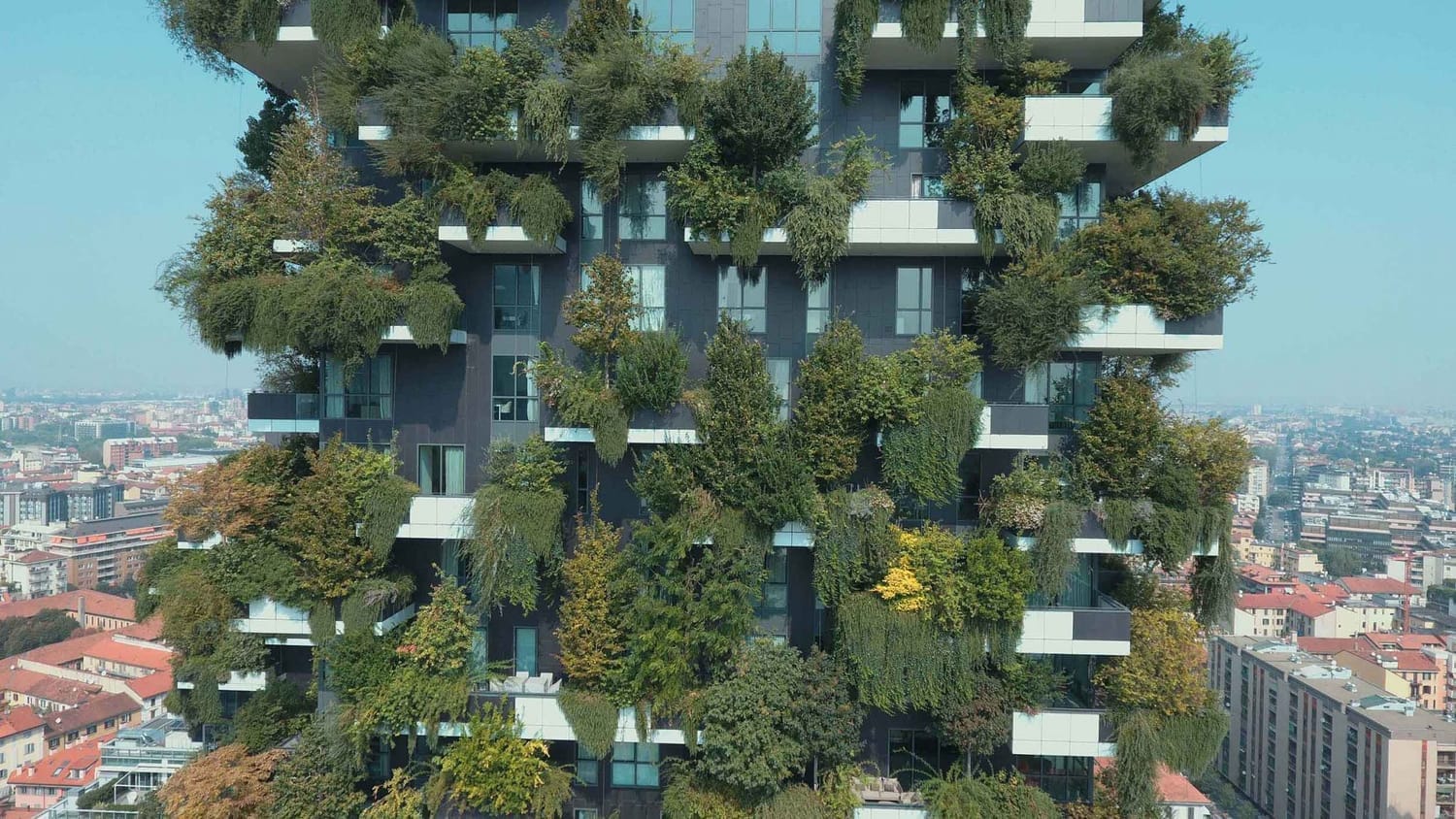
This research by Heba Al Sayyed and Wael Al-Azhari published in Frontiers.org shows how Virtual Reality-driven research found that residential spaces infused with natural light, greenery, and ventilation dramatically improves stress recovery (measured by skin conductance) compared to non-natural environments.
The image of the Bosco Verticale in Milan, Italy is a beautiful example of how some construction companies have taken the initiative to create buildings that cater to the needs of their human residents.
City Design & Stress Levels
It has been shown that high-density, monotonous cityscapes elevate stress—while neighborhoods featuring diverse, green environments correlate with lower stress and better cognitive performance. Read more about that here. You will need to request the full text, to read.
“No house should ever be on a hill or on anything. It should be of the hill. Belonging to it. Hill and house should live together each the happier for the other.”
- Frank Lloyd Wright
How to Take Back Control—Tools and Strategies for Healing Your Home
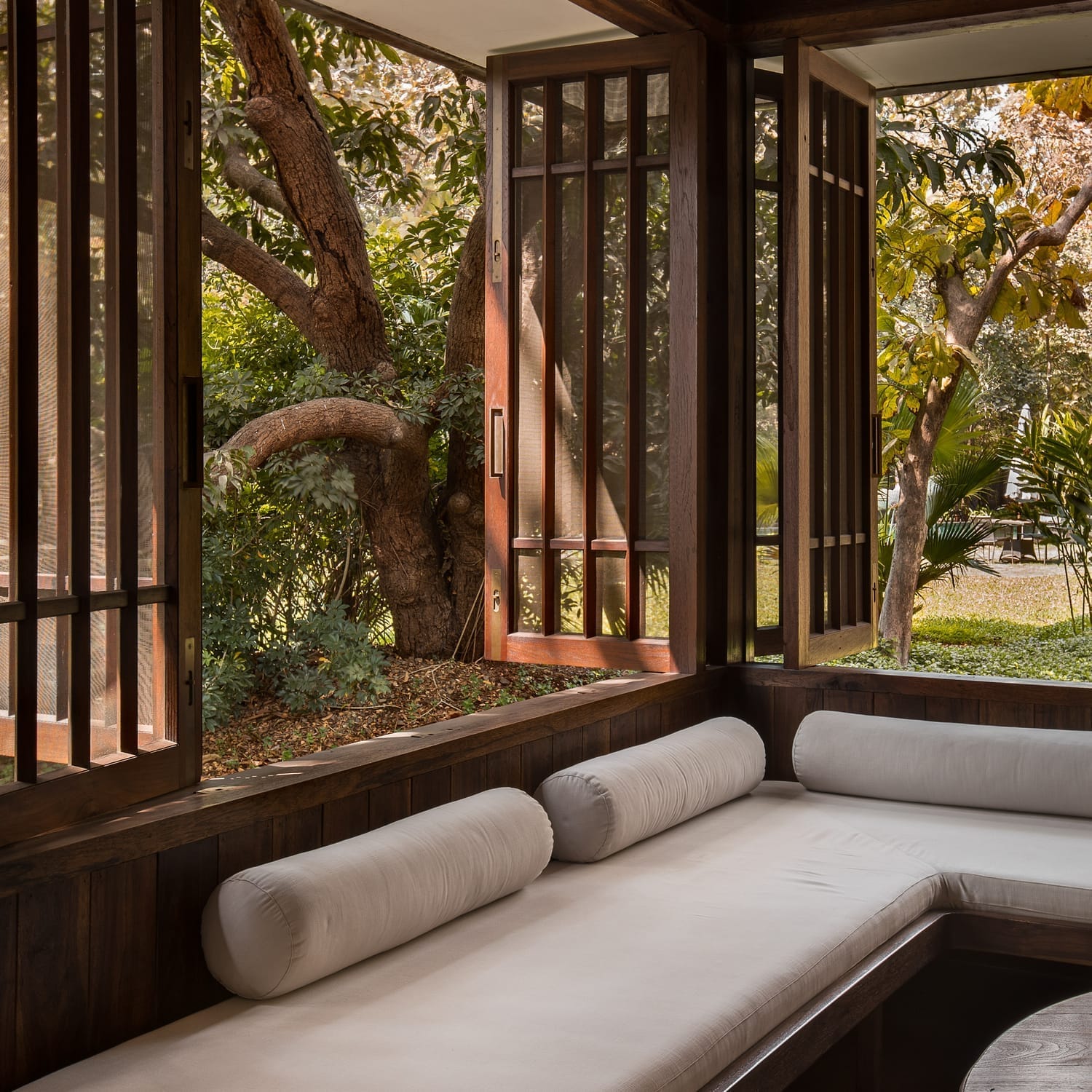
The Anti-Anxiety Home is a design framework rooted in neuroscience, psychology, and lived experience. It offers a way to recalibrate your space to support mental clarity, hormonal balance, and emotional ease.
Here are five accessible strategies you can begin implementing today:
1. Use Light as Medicine
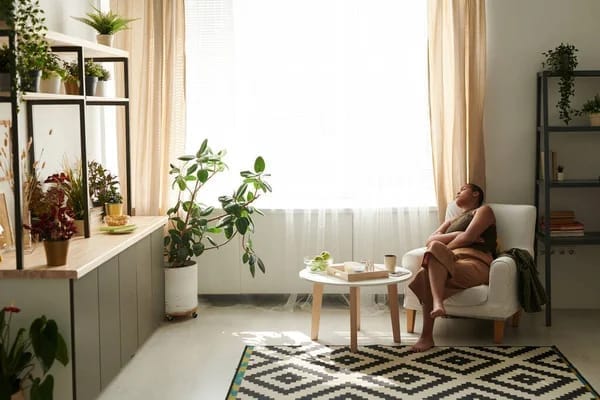
Bright, natural light in the morning supports circadian rhythm, stimulates the release of early mornign cortisol and wakefulness; and serotonin which plays a role in regulating mood, emotions, appetite, and digestion.
Switch to warm, amber lighting after sunset to support and promote melatonin production, making relaxing and eventually falling asleep easy.
Position mirrors strategically to reflect light deeper into your space.
Benefit: Improved sleep, mood regulation, hormonal balance.
2. Design for Sensory Relief, Not Constant Stimulation
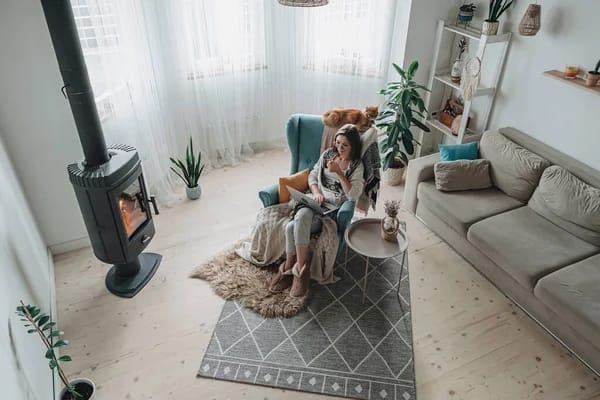
Clear visual clutter from key spaces: entryways, work zones, and bedrooms.
Use muted, grounding colours in rest areas.
Create soft edges, gentle curves (think rounded -edge rectangular furniture for instance as opposed to hard edges) and use tactile fabrics to reduce overstimulation.
Benefit: Reduced cognitive fatigue and increased emotional ease.
3. Breathe Easier (Literally)
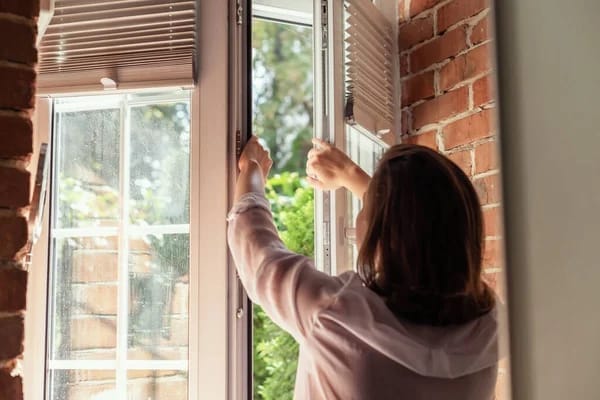
Open windows regularly to swap out stale air or invest in an air purifier. Preferably both.
Use natural materials (cotton, wool, timber) instead of synthetics that off-gas.
Bring in houseplants that purify air and connect you to nature.
Benefit: Less inflammation, better oxygenation, clearer thinking.
4. Create micro-zones that calm and ground you emotionally.

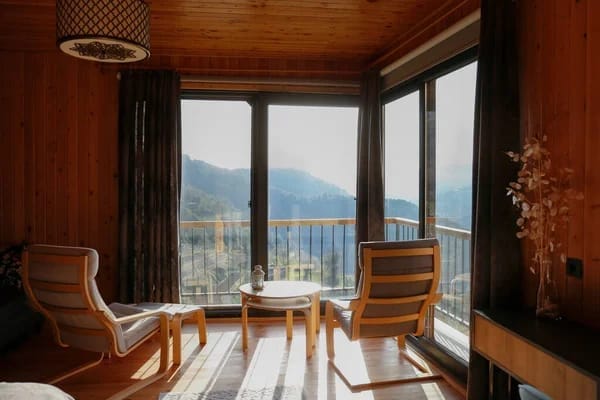
A chair near a window for morning light and reading.
A low-stimulation corner with a soft rug, blanket, and calming objects.
A no-tech boundary for sleep areas.
Benefit: Helps your nervous system shift from overstimulation to restoration.
5. Use Sound as a Boundary and a Buffer
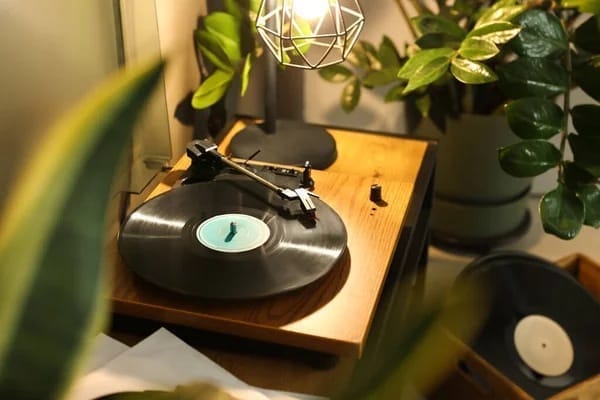
Add soft surfaces (rugs, curtains, fabric panels) to dampen noise and internal echoes.
Introduce white noise or soundscapes in over stimulating environments.
Be mindful of background noise—even distant traffic can keep cortisol elevated.
Benefit: Lower stress load, improved focus, better recovery.
Reclaiming Agency, Redefining Home

We often think of our homes as fixed, architectural artefacts. But in reality, they are living systems that can be shaped to either support or sabotage our well-being.
You don’t need a new build or a full renovation to create change. You need intentionality, biological awareness, and a framework like the Anti-Anxiety Home to guide your decisions.
“A well-designed home doesn’t just shelter you—it heals you.”
By reclaiming control over your environment through intentional design, you place yourself firmly in the driver’s seat of your own health and transformation—and set a standard for others to follow.
And the ripple effect? More people demanding spaces that truly serve them—individually, communally and systemically.
"A house is much more than a mere shelter; it should lift us emotionally and spiritually."
— John Saladino
Take Action Today
If you are ready to translate these insights into tangible changes in your own space, here are a few pathways I offer:
Dive Deeper: For a comprehensive guide with practical, step-by-step strategies grounded in neuropsychology to help you design a truly brain-friendly home, explore my e-guides to learn and implement changes you can begin making in autonomy and at your own pace. Explore the e-guides here.
Join the Reinvention Mastery or Reinvention Essentials 6-month coaching program for women navigating perimenopause and postmenopause, and who want to learn how to use their spaces to support the evolution of their next chapter. The next cycle begins July 1st. Learn more about that here.
Personalised Insight: If you'd like tailored guidance on how the specific dynamics of your home environment are impacting your well-being and receive expert recommendations for change, consider booking a Home Diagnostics Session.
Ongoing Support: For continued learning, gentle accountability, and connection with a community exploring these ideas, you are welcome to join my Community. It is new and we are excited for where it is going.
Frequently Asked Questions
1. Is my home genuinely contributing to my anxiety and stress, or is it just in my head?
Absolutely. This journal entry, and other journal entries before it, clearly explains that your home environment is a powerful, often overlooked contributor to chronic stress. Factors like poor lighting, visual clutter, constant noise, and unsupportive layouts send subconscious stress signals to your nervous system, impacting your mood, energy, and cognitive clarity.
This is a real neuropsychological phenomenon.
2. What exactly is the "Anti-Anxiety Home" framework?
The Anti-Anxiety Home is a specialised design framework rooted in neuroscience, environmental psychology, and lived experience. It's a method for intentionally recalibrating your living spaces to support mental clarity, hormonal balance, and emotional ease. We will be designing for your biology and nervous system needs, ensuring your home acts as a regulating force rather than a trigger.
3. Do I need a complete renovation or to move house to create an Anti-Anxiety Home?
No, definitely not. While a home renovation project is very exciting for an interior designer, you don't need a new build or a full renovation, unless you are already looking to have one or are planning one for the future.
The Anti-Anxiety Home framework focuses on accessible, actionable strategies—like optimising lighting, reducing sensory stimulation, improving air quality, and creating micro-zones: strategies that you can implement within your existing space to create profound positive change.
4. Is this approach only relevant for midlife women experiencing hormonal shifts?
While the article specifically highlights the critical impact on midlife women due to heightened sensory sensitivity and hormonal fluctuations, the principles of neuroarchitecture and sensory-friendly design benefit everyone.
A healing home environment that supports nervous system regulation, cognitive health, and emotional well-being is universally beneficial, regardless of age, gender or hormonal status.
5. How can I get started with transforming my own home into an Anti-Anxiety Home?
The first step is to gain clarity on your specific environmental stressors and needs. I am currently running a birthday promotion for the Home Diagnostics Call until July 10th.
Click the highlighted link to visit the booking page. This personalised session allows you to identify your unique pain points and receive actionable strategies tailored specifically to your home and well-being goals.
Want expert help designing a home tailored to your cognitive needs? Book a 1-hour Home Diagnostic Consultation today.
Let’s create a space that enhances your focus, creativity, and mental well-being. Book your1-hour Home Diagnostic Consultation to create a brain friendly and supportive home.

SHARE




POST CATEGORY